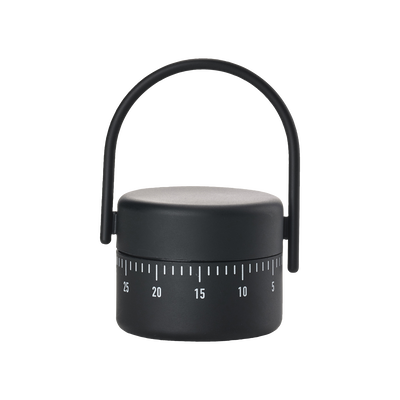
Keeping track of time in the kitchen is always useful
When you are cooking or baking, timing matters. A timer is helpful for many everyday tasks, whether you are baking bread rolls, boiling eggs or heating a pizza in the oven. It gives you a clear reminder when the time is up, so you do not have to keep checking the clock and working it out yourself.
If you usually rely on the time shown on your phone when the water starts boiling or when food goes into the oven, it is easy to get distracted and forget what you started. A kitchen timer gives you a more direct way to keep track of what is happening, and that can make it easier to manage several things at once.
When the timer sounds, you notice it straight away. That helps when bread rolls need to come out of the oven or when eggs should be taken off the hob. In everyday use, that simple reminder can make the cooking process easier to follow.
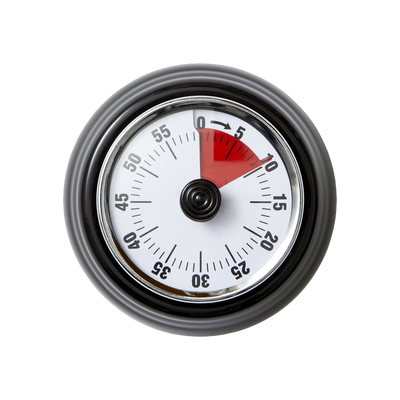
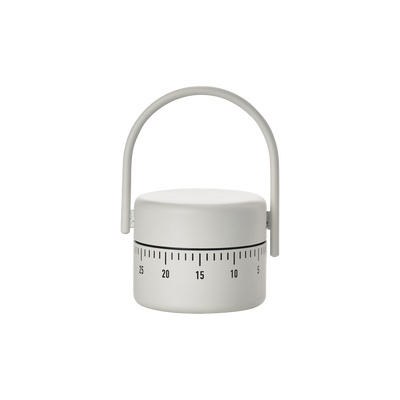
In this category, you can compare different kinds of timers. The selection includes digital timers and timers with a magnet for the fridge. A practical way to choose is to think about where and how you want to use it. Some shoppers look for a simple digital display, while others prefer a timer that can stay visible on the fridge while they work in the kitchen.
If you are building a broader set of everyday tools, you can also explore more from our kitchenware range and see related tools in kitchen utensils. For timing and preparation tasks, many also compare products such as measuring jugs and cups, mixing jugs and cooling racks.
Cook meat more accurately with a roasting thermometer
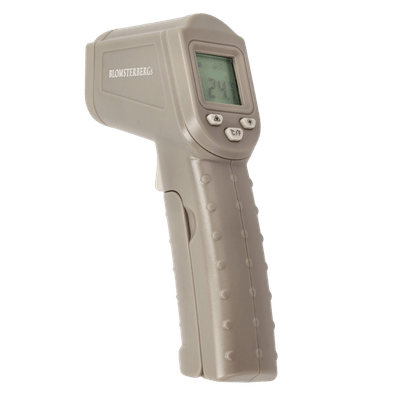
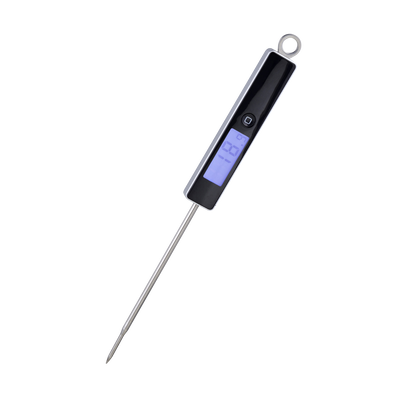
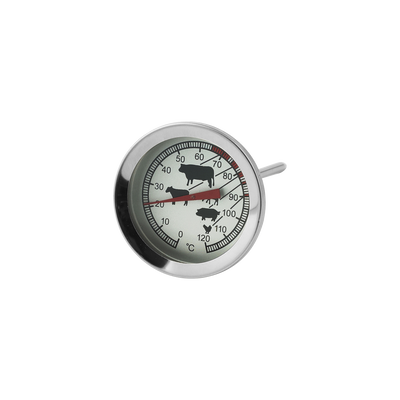
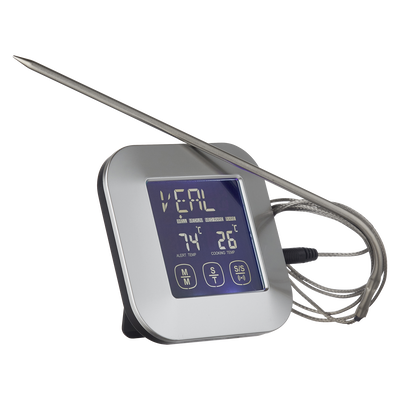
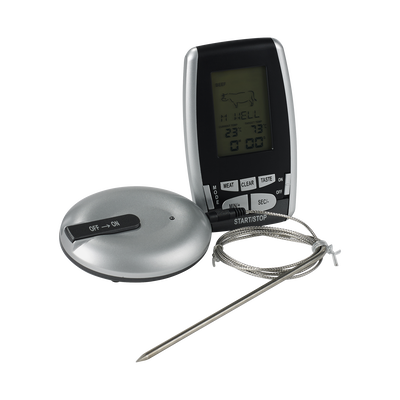
Roasting meat in the oven without a thermometer can feel uncertain. Cooking time does not depend only on the size of the meat, but also on how effectively your oven heats. If you want a clearer idea of whether the meat is ready, checking the core temperature with a kitchen thermometer is a practical step.
That makes it easier to judge whether your meat is cooked the way you want it, whether you prefer it well done, pink or rare. Instead of relying only on the number of minutes in a recipe, you can use the measured temperature to decide whether the meat should come out of the oven or stay in for a little longer.
You can also use a roasting thermometer for grilling. That gives you the same way to monitor the core temperature when cooking outdoors, so you can follow the doneness more closely there as well.
When comparing thermometers, many users begin with the basic question of where they plan to use one most often. Some look for a thermometer mainly for oven cooking, while others want one they can also use for the grill. Browsing the category this way helps narrow the choice from the broader group of thermometers and timers to the model type that matches your cooking habits. If grilling is part of how you cook, it can also be useful to view related items in pizza and pasta utensils for serving and preparation, or compare with other everyday kitchen tools in other kitchen utensils.
How to use a roasting thermometer in the oven
If you are unsure how long a roast should stay in the oven, a cooking thermometer can help you make that decision based on temperature rather than time alone. Instead of removing the meat after the exact number of minutes listed in a recipe, open the oven and insert the thermometer into the meat.
Once you can see the core temperature, it becomes easier to assess whether the roast is ready or needs more time. For many shoppers, this is one of the main reasons to choose a thermometer. It gives a more direct way to check progress during cooking.
On a webshop category page like this one, it is often useful to start with the main job you need the product to do. If your focus is accurate roasting, a thermometer will be the natural place to begin. If your main need is keeping track of boiling, baking or oven time, a timer may be the better starting point. This kind of comparison helps move from a broad category view to a more specific choice.
How the thermometer should be placed
Even a good roasting thermometer can give an incorrect reading if it is not used properly. You should always measure the temperature in the thickest part of the meat. The thermometer should be inserted from the top, not from underneath the meat. Alternatively, it can also be inserted from the side.
These simple points matter when you are deciding between different kitchen tools, because the usefulness of a thermometer depends not only on having one, but also on using it in the right way. For shoppers comparing options, it often helps to think first about the cooking tasks they want to manage more confidently and then choose the tool that supports that task.
Many customers also browse nearby categories while refining their choice. For preparation before cooking, you may want to look at chopping boards and kitchen knives. For mixing, stirring and handling ingredients, relevant options include whisks, spatulas and cooking spoons.
Find inspiration for your kitchen at Kitchen Living Dining
In our kitchen universe, you can find everything from timers to thermometers and baking-related utensils. The category is designed to help you compare products by purpose, so you can move from a general need such as timing or checking temperature to the specific tool that fits your kitchen routine.
If you are putting together a wider selection of utensils, you can continue into related categories depending on what you need to do. For draining and rinsing ingredients, there are colanders, sieves and strainers. For preparation and seasoning, you can browse graters, mortar and pestles and salt and pepper grinders.
Looking across these categories can make it easier to build up your kitchen tools step by step. Some shoppers begin with one specific need, such as a timer for baking or a thermometer for roasting, and then compare nearby utensils used for preparation, mixing, serving or finishing. That way, the category works not only as a place to find thermometers and timers, but also as part of a larger overview of kitchen tools and the different ways they are used together.
Frequently asked questions
What is the difference between a kitchen timer and a cooking thermometer?
A kitchen timer helps you keep track of how long something has been cooking, baking or boiling, while a cooking thermometer helps you check the temperature of food. In practice, this helps you choose between time-based reminders and temperature-based checking depending on what you are making.
When is a kitchen timer useful in everyday cooking?
A kitchen timer is useful for everyday tasks such as baking bread rolls, boiling eggs or heating pizza in the oven. In everyday use, this means that you get a clear reminder when the time is up instead of relying on memory or checking the clock repeatedly.
Why might a separate kitchen timer be easier to use than timing on a phone?
If you use the time on your phone, it can be easy to get distracted and lose track of when cooking started. This makes it easier to manage several tasks at once because the timer gives you a more direct reminder when the set time has finished.
How do I choose between different types of kitchen timers?
A practical way to choose is to think about where and how you want to use the timer. In practice, this helps you decide between narrower options such as a digital timer with a simple display or a timer with a magnet that can stay visible on the fridge while you cook.
Why would I use a roasting thermometer instead of relying only on cooking time?
Cooking time can vary because it depends not only on the size of the meat but also on how effectively the oven heats. This makes it easier to judge whether the meat is ready by checking the core temperature rather than relying only on the minutes listed in a recipe.
Can a roasting thermometer also be used for grilling?
Yes, a roasting thermometer can also be used when grilling. In practice, this helps you monitor the core temperature outdoors as well, so you can follow doneness more closely instead of estimating by time alone.
How should I place a roasting thermometer in the meat?
You should measure the temperature in the thickest part of the meat. In everyday use, this means inserting the thermometer from the top or from the side rather than from underneath, which helps you get a more reliable reading.
How can I choose the right option when browsing thermometers and timers online?
It often helps to start with the main job you need the product to do, such as tracking baking time or checking the core temperature of a roast. This makes it easier to move from a broad category to more specific selections that match your usual cooking habits.