


Save 30%



Your kitchen becomes a culinary workspace with the right utensils
Different kitchens call for different kitchenware and kitchen utensils. If you only cook now and then, a few basics in the drawer may be enough, such as a garlic press, a can opener and a cheese slicer. If you spend more time cooking, you will often look for utensils that help with more specific tasks and give you better control while preparing food.
This category brings together both the necessary everyday pieces and a selection of more specialised kitchen utensils. That makes it easier to move from broad browsing to a more focused choice. Some visitors start by looking for a familiar tool they already know they need, while others compare several utensils to see which one suits a particular task best.
Other kitchen utensils for different cooking needs
Not every utensil is equally relevant for every kitchen. Some are used almost daily, while others are brought out for more particular dishes or when presentation matters a little more. That is why it helps to choose based on what you actually cook and which jobs you want to make easier.
For everyday use, tools such as lid and can openers, garlic presses and peelers cover simple recurring tasks. If you enjoy trying different techniques, you may also look at utensils that help with slicing, shaping, turning or serving. In that way, the category supports both practical needs and more detailed kitchen work without mixing everything into one choice.
Cooking is often about reaching a good result in a comfortable way. The right utensil can make chopping, mashing, slicing, dividing and serving feel more straightforward. This page is useful if you want to compare several smaller tools side by side and narrow your choice according to the kind of cooking you do most often.
Practical kitchen utensils for everyday cooking and special occasions
For many people, cooking is part of a daily routine, but it can also become a hobby when there is more time. Some utensils are mainly for regular kitchen tasks, while others are especially helpful when you want a more precise result or a neater presentation. Below you can get a clearer overview of some of the utensils found in this category and how they differ.
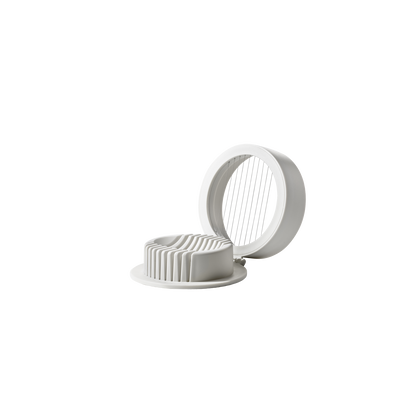
Egg slicers
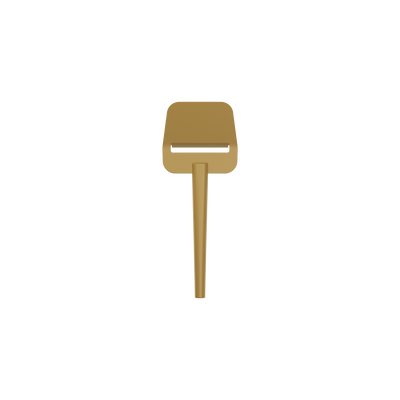
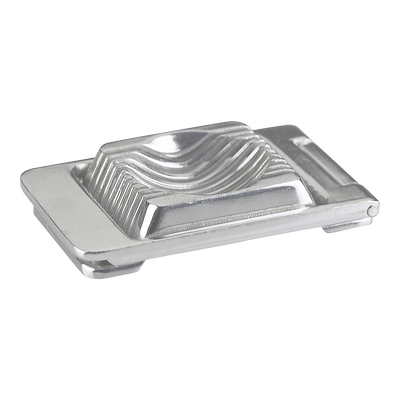
An egg slicer is a useful choice if you want neat, even slices. Eggs are used in many settings, from salads to breakfast and lunch, so a dedicated tool can be helpful when you want a uniform cut. If your main priority is tidy presentation and quick preparation, this is an easy utensil to identify in the category.
Lid and can openers
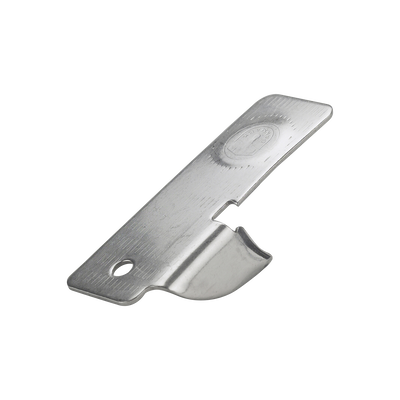
Lid and can openers are basic utensils in many kitchens and are especially relevant if you regularly use canned ingredients. A can opener helps remove the lid so the contents are ready to use. When comparing options in this part of the category, it is useful to focus on whether you need help with tins, lids or both.
Garlic presses
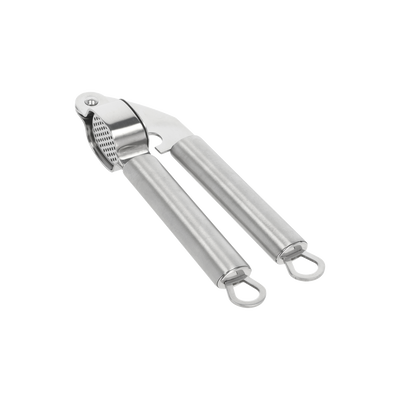
Garlic adds a lot of flavour to food, and a garlic press makes it easier to crush cloves quickly. If garlic is something you use often, this type of utensil is one of the simplest ways to streamline preparation. It is a good example of a small tool with one clear purpose, which makes it easy to compare within the category.
Ice cream scoopers
An ice cream scooper helps shape ice cream into an even ball for serving. This is a more specific utensil, but it becomes relevant when presentation matters. If you are browsing this category for serving tools rather than preparation tools, this is one of the clearest subcategories to visit.
Food tweezers
Food tweezers are practical when you want more control while turning or moving food. They can be especially helpful at the pan, where precise handling makes a difference. If you usually compare utensils by how much control they give you during cooking, food tweezers stand apart from broader, more general-purpose tools.
Kitchen scissors and poultry shears
Kitchen scissors and poultry shears belong in many kitchens because they cover a wide range of tasks. Kitchen scissors are versatile, while poultry shears are intended for handling poultry more easily and can give a better result during preparation. A practical way to choose is to consider whether you need an all-round utensil or one for a more specific cutting job.
Vegetable and potato peelers
Vegetable and potato peelers help make preparation work more efficient. If peeling is a recurring part of your cooking, this section is worth comparing carefully, as it is one of the most routine preparation tasks in the kitchen. For most situations, this is the kind of utensil that supports speed and flow in everyday cooking.
How this category helps you compare and choose
Other Kitchen Utensils works best as a category when you use it to sort tools by task. Some visitors arrive knowing exactly what they need, such as an egg slicer or garlic press. Others are looking more broadly for utensils that solve preparation, serving or handling tasks. The structure of the page helps you move from that broad need to a more specific subcategory without losing overview.
If you are building out your kitchen step by step, it can help to begin with the utensils you use most often and then add more specialised tools later. If you already have the basics, this category is a useful place to compare the smaller utensils that support precision, presentation or a more efficient workflow.
You may also want to continue into related categories depending on what you are preparing. For draining and rinsing ingredients, see colanders, sieves and strainers. For stirring and serving during cooking, browse cooking spoons. Baking and cooling tasks can lead naturally to cooling racks, while more precise preparation often connects with kitchen knives and chopping boards.
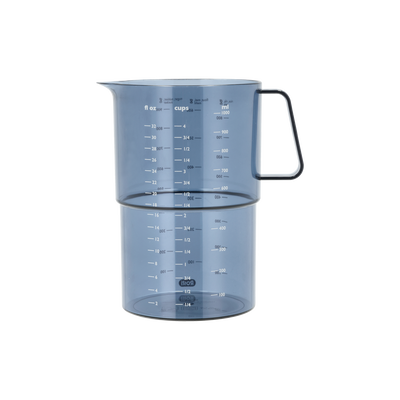
Depending on the task, you might also compare with graters, whisks, spatulas or pizza and pasta utensils. If you are measuring ingredients or preparing mixtures, it also makes sense to look at measuring jugs and cups and mixing jugs. For seasoning and grinding, there are salt and pepper grinders and mortar and pestles. And for tasks where timing or temperature matters, you can continue to thermometers and timers.
By browsing from general kitchen utensils into these more focused areas, it becomes easier to find the tools that match your cooking tasks and compare them in a way that feels manageable.
Frequently asked questions
What kind of utensils are included in Other Kitchen Utensils?
Other Kitchen Utensils includes both everyday tools and more task-specific utensils, such as garlic presses, can openers, egg slicers, peelers, food tweezers and kitchen scissors. In practice, this helps you compare smaller kitchen tools by what they are designed to do rather than looking through broader utensil groups.
How do I choose the right kitchen utensil for my cooking needs?
A useful way to choose is to start with the jobs you do most often, such as peeling, opening tins, slicing or serving. In everyday use, this means that you can focus on utensils that match your regular cooking tasks and then look at narrower options for more precise or occasional jobs.
What is the difference between everyday utensils and more specialised kitchen tools?
Everyday utensils usually help with recurring kitchen tasks, such as opening cans, pressing garlic or peeling vegetables. More specialised tools are often used when you want more control, a neater result or a specific serving shape, and this makes it easier to choose based on how often you expect to use the utensil.
When is an egg slicer useful?
An egg slicer is useful when you want neat, even slices for salads, breakfast or lunch dishes. In practice, this helps you prepare eggs more quickly and gives a more uniform result when presentation matters.
Should I choose kitchen scissors or poultry shears?
That depends on whether you need a more general cutting tool or one intended specifically for poultry preparation. In everyday use, this means kitchen scissors suit a wider range of kitchen tasks, while poultry shears are the more focused choice for handling poultry more easily.
Why might food tweezers be a better choice than a more general utensil?
Food tweezers are helpful when you want more precise control while turning or moving food, especially at the pan. This makes it easier to handle smaller items carefully and compare them with broader utensils that are less focused on precision.
How can this category help me narrow down my options on a webshop?
This category is organised around kitchen tasks, so you can move from a broad need to more specific selections such as peelers, garlic presses or lid and can openers. In practice, this helps you compare filtered choices side by side and find the utensil type that matches the way you cook.
When should I look in another kitchen utensil category instead?
If your task is more about draining, stirring, baking, cutting or measuring, another utensil category may be more relevant than Other Kitchen Utensils. In practice, this helps you move to narrower options such as colanders and strainers, cooking spoons, kitchen knives, chopping boards or measuring jugs when your cooking task is more specific.