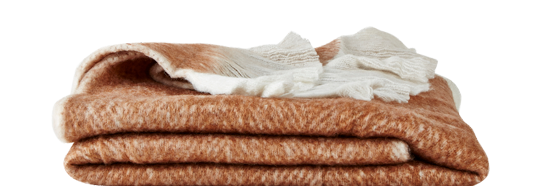
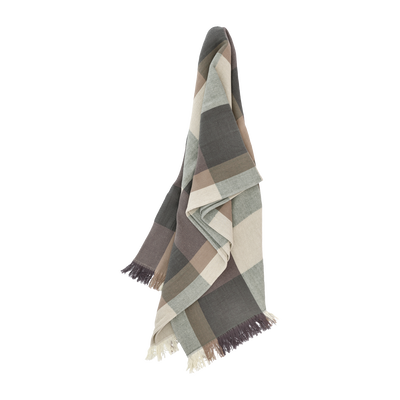
Save 30%
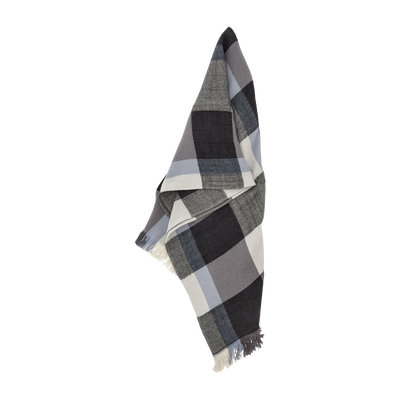
Save 30%
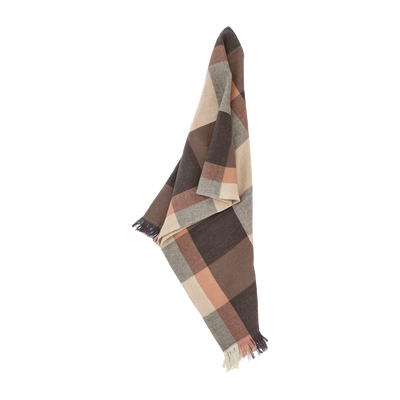
Save 30%
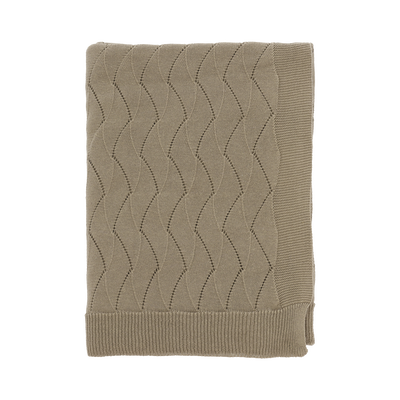
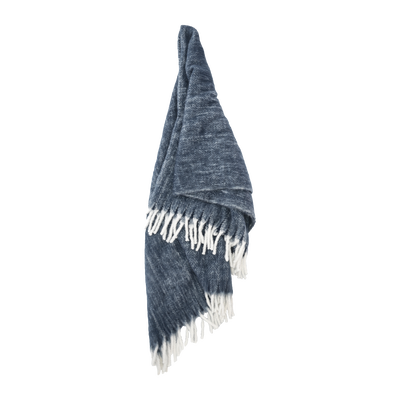
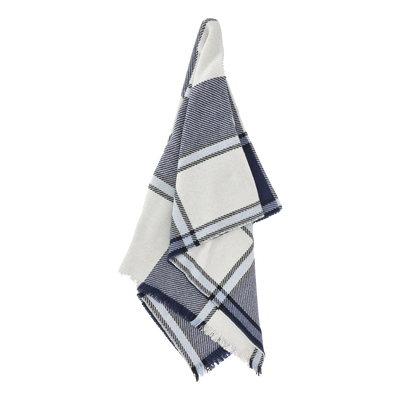
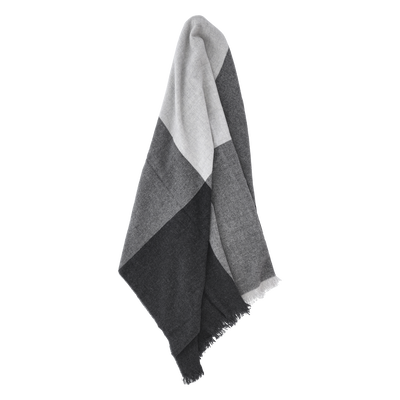
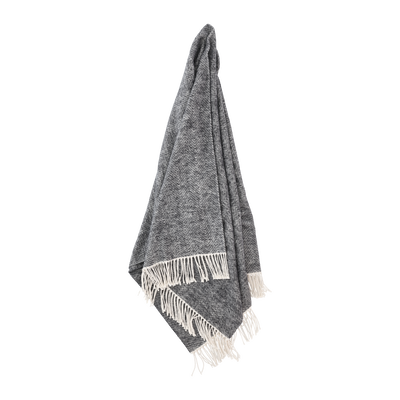
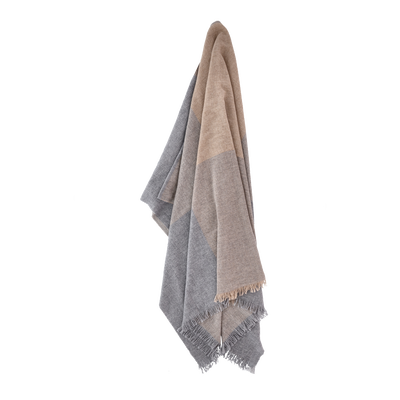
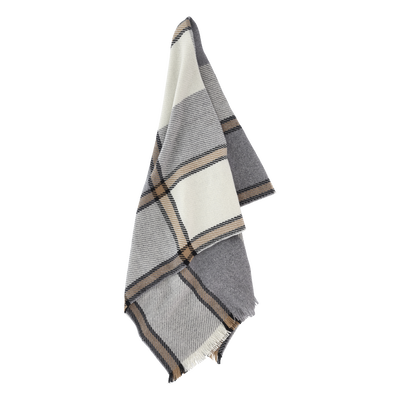
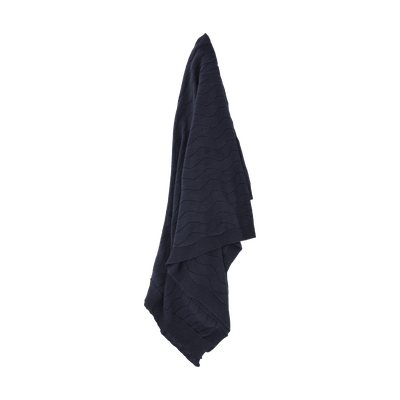
Save 33%
FREE SHIPPING
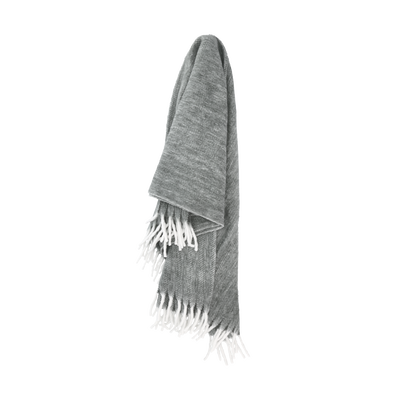
Save 28%
FREE SHIPPING
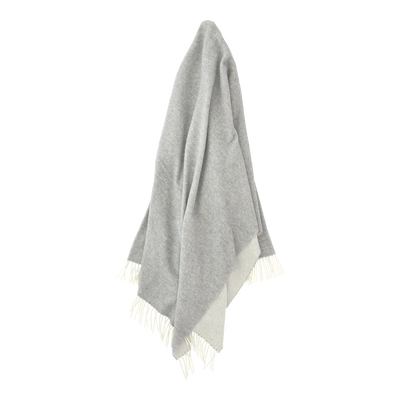
Save 34%
FREE SHIPPING
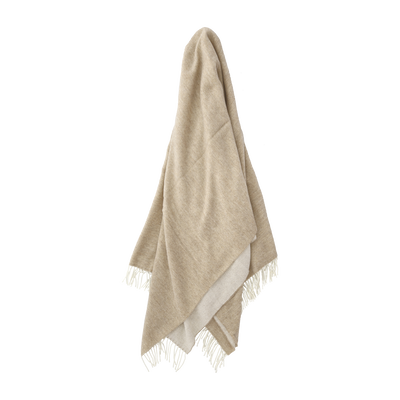
Save 34%
FREE SHIPPING
A soft throw feels like a warm layer when you need it
If you are unsure what a throw is, the short answer is simple. A throw can also be called a blanket. Sizes vary, but it is often large enough to wrap around yourself when you relax on the sofa, in bed or on outdoor seating.
When choosing a throw, the material is one of the most important details to compare. Softness, feel and appearance can differ from one design to another, so many shoppers start by narrowing down the material first and then moving on to colour and style. In this selection, you will also find throws in 100% organic cotton.
If you are browsing across home decor, throws are a practical category to visit when you want to add a soft textile element without changing larger pieces in the room. They also sit naturally within the wider selection of home textiles, where it is easy to compare them with other textile categories for the living room and bedroom.
What is the difference between a blanket and a throw?
A throw and a blanket are very close in meaning.
The main difference is that blanket is a broader term. It can refer to different types of blankets, including larger textiles used on the floor or a large bedspread. A throw is usually the smaller, cosy version used to keep you warm.
On a webshop, this distinction helps when you are deciding where to continue. If you are looking for something to wrap around yourself, this category is the right place to compare options. If you need textiles for making the bed, it can also help to look at related categories such as bedding or sheets.
What is a throw used for?
A throw is used as a comfort blanket indoors or outdoors. You might use it when watching a film on the sofa and want something soft to wrap around yourself, or on the terrace when the sun goes down and the air turns cooler.
That is also why throws are often seen in outdoor seating areas at cafés and restaurants. A warm throw can make it easier to stay outside longer in the evening without feeling chilly.
For everyday use at home, many people look at a throw in two ways at once: as something practical and as part of the room. A throw can be moved from sofa to bed to garden furniture depending on where you need it, so it helps to compare size, material and colour before choosing.
If you are looking at other soft additions for seating areas, it can be useful to view throws alongside cushions or chair cushions. That makes it easier to create a consistent look while still choosing each textile for its own purpose.
Throws in beautiful colours for a modern home
If you like a Nordic interior style with light shades and soft earth tones, throws can be a simple way to continue that look. In the selection, you can explore colours and materials that work naturally with a modern home and compare which finish feels right for your space.
Some shoppers begin with colour because the throw will be visible in the room even when it is not in use. Others start with material and then look at shades that match the sofa, bed or surrounding textiles. Both approaches make sense, and this category supports that kind of browsing by letting you move from broad preferences to more specific choices.
A throw can become part of the overall interior. You can place it neatly over the arm of the sofa when it is not being used, making it both accessible and decorative. It is a simple way to add a welcoming touch to the room without changing the larger elements of the decor.
If you are comparing home textiles for the bedroom as well as the living room, it may also be helpful to explore categories like bedding and bedspreads, where larger textile surfaces create a different effect from a throw.
How should I wash my throw?
To extend the life of your throws, it helps to take good care of them.
That includes washing them from time to time. You can also choose to spot-clean, shake out dust or hang the throw outside in the fresh air for a few hours.
If you want to wash your throw in the washing machine, check the care instructions or choose 30 degrees or lower.
When comparing options on the page, care can be a practical part of the decision as well. If you expect to use your throw often on the sofa or outdoors, it can help to look closely at the material first and then check how comfortable you feel with the maintenance routine.
Home textiles complete the look of a room
If you want your sofa to feel layered with soft textiles, a throw can be combined with other categories in a natural way. You can pair it with cushions, place it near rugs that support the room visually, or use it as part of a wider textile combination in the living room or bedroom.
Textiles are a straightforward way to shape a personal and colourful expression in the home. A practical way to choose is to start with the main function of the textile and then compare colours and materials across related categories. That makes it easier to build a coherent look without losing sight of how each item will be used.
If you are exploring beyond throws, the wider home textiles selection gives you a better overview of the different options available for each room. From there, you can move between categories depending on whether you are focusing on seating, the bed or the floor.
You can also return to the broader home decor range if you want to see how textiles fit into the rest of your interior. This kind of navigation helps when you are comparing pieces step by step and deciding whether you need a throw on its own or as part of a larger textile update.
Frequently asked questions
What is the difference between a throw and a blanket?
A throw and a blanket are very close in meaning, but blanket is the broader term. A throw is usually the smaller, cosy version used to wrap around yourself, while blanket can also refer to larger textiles such as bedspreads. In practice, this helps you choose the right product type for relaxing on the sofa, in bed or outdoors.
What is a throw used for?
A throw is used as a soft layer when you want extra warmth indoors or outdoors. You might use it on the sofa, in bed or on garden seating when the air feels cooler. In everyday use, this means that a throw can move easily from one part of the home to another depending on where you need it.
How do I choose the right throw?
Many people start by comparing materials, because softness, feel and appearance can vary from one throw to another. After that, it is useful to look at size, colour and style to see what suits your room and how you plan to use it. This makes it easier to narrow down the options in a practical way.
Should I choose a throw by material or by colour first?
Both approaches can work, depending on what matters most to you. Some people begin with material because comfort and maintenance are important, while others start with colour because the throw will be visible in the room even when it is not being used. In practice, this helps you shop in the order that feels most useful for your home.
How can a throw work as part of my room decor?
A throw can add a soft textile element without changing larger pieces in the room. You can place it over the arm of a sofa or use it on a bed or chair so it stays both accessible and visible. This makes it easier to bring colour, texture and a more layered look into the space.
How should I wash a throw?
It is best to check the care instructions first, especially if you want to wash the throw in a machine. If you are unsure, the content recommends choosing 30 degrees or lower. In everyday use, this means a gentler wash can help you care for the fabric more carefully.
How else can I care for a throw between washes?
You do not always need to machine wash a throw straight away. Spot-cleaning, shaking out dust or hanging it outside in fresh air for a few hours can also help keep it feeling fresh. In practice, this helps you manage day-to-day care with less effort.
What other home textiles can I compare with throws?
If you are choosing textiles for the living room or bedroom, it can help to compare throws with cushions, chair cushions, bedding, sheets, bedspreads and rugs. These serve different purposes, but they work together in the home. This makes it easier to build a more consistent look while choosing each textile for its own use.