
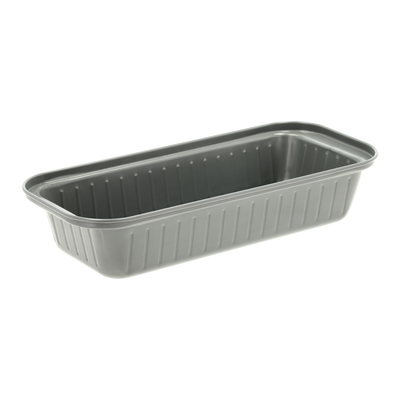
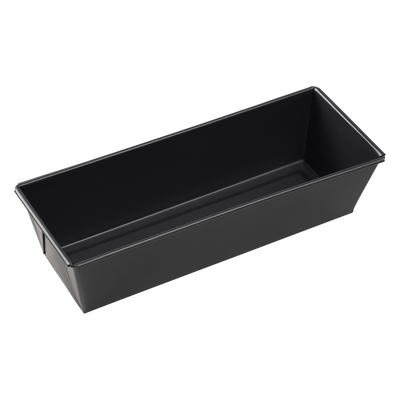
What can you use a bread tin for?
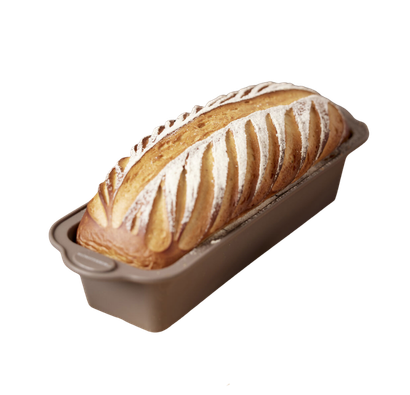
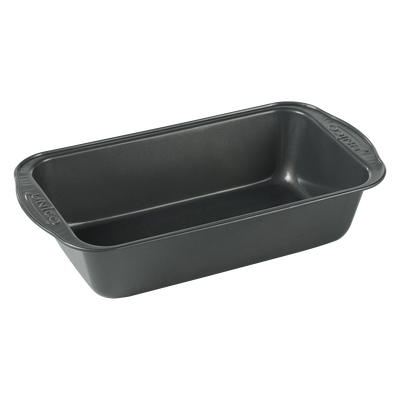
A bread tin is a practical choice when you want to bake a shaped loaf such as white bread or rye bread. A loaf tin with a lid is especially suitable for this because it helps give the bread an even shape and a good crumb. For many bakers, this is one of the main reasons to choose a loaf tin instead of baking directly on a tray or in a dish.
At the same time, bread tins are not only for bread. Even if a product is described as a tin for white bread or rye bread, it can often also be used for cake batter or meatloaf. That makes this category relevant whether you are looking for a dedicated tin for bread or a shape that can be used in different ways in the kitchen.
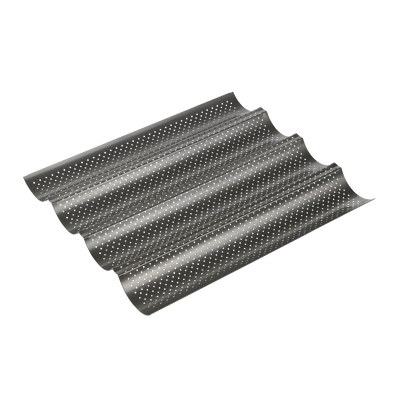
As you browse the selection, a practical way to choose is to start with what you bake most often. If you mainly bake bread, a tin with holes is generally best suited to bread baking. If you want a more flexible tin for several types of oven baking, it helps to compare the different styles in the range and choose based on how specific or versatile you want the tin to be.
If you are exploring more ovenproof options beyond loaf tins, you can also browse the wider selection of kitchenware and see the full range of ovenproof kitchenware. If you need other shapes for baking and oven dishes, it can also be useful to compare with ovenproof dishes, ovenproof bowls, ramekins and roasting pans.
Do bread tins need greasing?
Both yes and no. It depends on what material your bread tin is made from.
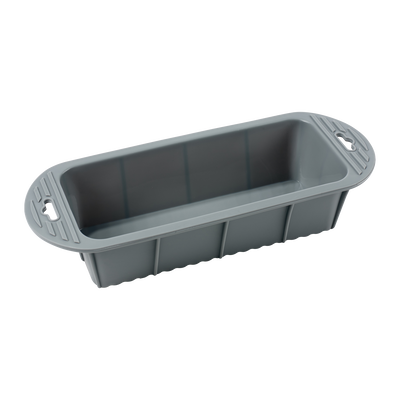
If you would rather not grease the tin every time you prepare dough, a silicone bread tin can be a helpful choice. Silicone tins make it easier to remove the baked loaf without the dough sticking, even if you have not greased the tin with butter or oil beforehand. For some shoppers, this is the main point of comparison when choosing between different materials in the category.
Another option is to line the tin with baking paper before adding the dough. This can be a simple alternative if you prefer not to grease the tin. When comparing products on the page, it can therefore be useful to think about whether you want a material that may reduce sticking on its own or whether you are happy to use baking paper as part of your baking routine.
For most situations, the easiest way to narrow the category is to decide first how hands-on you want the preparation to be. Some users look specifically for a silicone option, while others are simply looking for a classic loaf shape and then adjust with baking paper when needed. That makes material one of the key choices when moving from a broad browse to a more precise selection.
How full should a bread tin be?
If you are baking sourdough bread or a traditional yeast bread, the dough will rise in the oven. Because of that, it is a good idea not to fill the tin all the way to the top.
If you keep the tin around half full, it is easier to keep the loaf within the shape of the tin as it rises. This applies whether you are using a 2 litre or 3 litre loaf tin. In everyday use, this is one of the simplest ways to think about tin size: compare the amount of dough you usually make with the capacity of the tin, and choose a size that gives the dough room to rise.
That is also why this category is often easier to shop when you start with your usual recipes. If you regularly bake larger loaves, you may want to look at larger tins first. If you more often make smaller loaves or want tighter control over shape, a smaller tin may be easier to work with. Moving from recipe type to tin size is often the most practical way to compare options on a webshop page like this.
When the bread comes out of the oven, it can be served straight away or stored for later. The Danish source highlights serving bread in a decorative bread basket and storing it in a practical bread bag, which reflects how loaf tins often sit within a wider baking setup. Many shoppers therefore compare bread tins not only by shape, but also by how they fit into the rest of their baking routine.
Find the right baking equipment for home baking
This category is part of a broader baking selection for home baking. If you are choosing a bread tin, you may also be comparing it with other bakeware depending on what you want to make. Some users start with bread tins because they mainly bake loaves, while others browse more widely and then narrow down once they know whether they need a loaf shape, a dish or smaller individual pieces.
That is why it can be useful to think in steps when browsing. Start with the type of baking you do most often. Then compare whether you need a tin mainly for bread or whether you want something that can also be used for cake batter or meatloaf. After that, material and size are usually the next details that help you make a clear choice.
If you are building up your baking equipment, you may also want to look across other ovenproof categories at the same time. Ovenproof bowls can be useful for certain baked dishes, while ovenproof dishes provide a broader shape for many kinds of oven cooking. Ramekins are relevant when you need smaller portions, and roasting pans are suitable when you need a larger format in the oven. Looking across related categories can make it easier to decide whether a classic loaf tin is the right match for what you want to cook or bake most often.
For shoppers who already know they need a shaped tin for bread, this page makes comparison more focused. You can use the category to sort between tins intended mainly for bread and tins that are also suitable for other mixtures. In that way, the category supports both a quick purchase decision and a broader comparison process where you are still deciding exactly which type of ovenproof bakeware fits your needs best.
Frequently asked questions
What can you use a bread tin for besides baking bread?
A bread tin is mainly used for shaped loaves such as white bread or rye bread, especially when you want a more even shape. It can also often be used for cake batter or meatloaf. In everyday use, this means one tin may suit several types of oven baking if you want a more flexible option.
Why would I choose a loaf tin with a lid?
A loaf tin with a lid is especially suitable when you want the bread to keep an even shape and develop a good crumb. This makes it a practical choice for shaped loaves rather than baking directly on a tray or in a dish. In practice, this helps you get a more consistent loaf shape from one bake to the next.
How do I choose the right bread tin for what I bake most often?
A practical way to choose is to start with the recipes you make most often. If you mainly bake bread, a tin with holes is generally better suited to bread baking, while a more general loaf shape may be useful for different oven dishes. In everyday use, this makes it easier to narrow the options based on whether you want a dedicated bread tin or a more versatile tin.
Do bread tins always need greasing?
Not always, because it depends on the material of the tin. Silicone bread tins can make it easier to remove the loaf without sticking, even if you have not greased them first, and baking paper is another option. In practice, this helps you choose between a lower-preparation material or a more traditional tin lined when needed.
Is a silicone bread tin easier to use?
A silicone bread tin can be helpful if you want to avoid greasing the tin each time before baking. The category content explains that silicone can make it easier to remove the loaf without the dough sticking. In everyday use, this means less preparation if you prefer a simpler baking routine.
How full should I fill a bread tin?
If you are baking yeast bread or sourdough, it is a good idea not to fill the tin to the top because the dough rises in the oven. Keeping the tin around half full gives the dough more room to expand within the shape of the tin. In practice, this helps you match your usual dough amount to the tin size more easily.
How do I choose between a larger and smaller loaf tin?
The easiest way is to compare the amount of dough you usually make with the size of the tin. Larger loaves may be better suited to a larger tin, while smaller loaves or closer shape control may be easier in a smaller one. This makes it easier to choose based on your usual recipes rather than guessing from the product name alone.
What else should I compare if I am choosing baking equipment for home baking?
If you are still deciding what type of ovenproof bakeware you need, it can help to compare bread tins with ovenproof dishes, ovenproof bowls, ramekins and roasting pans. The most practical approach is to start with the kind of baking or cooking you do most often, then look at shape, material and size. In everyday use, this helps you move from a broad browse to more specific selections that match how you cook at home.