What is a coffee cover?
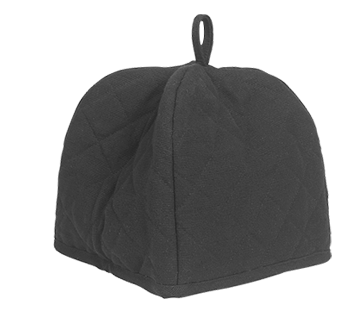
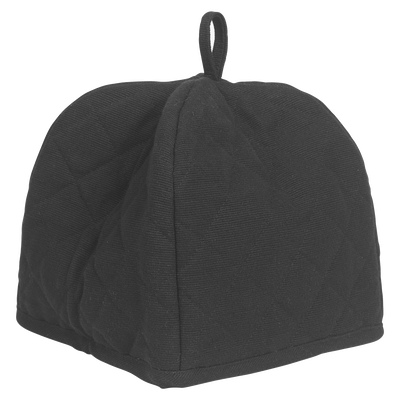
A coffee cover is a fabric cover shaped to fit a cafetière. It helps keep the coffee in the pot warm for longer, which is useful when coffee is served over time rather than poured straight away.
When browsing Coffee & Teapot Covers, a practical way to choose is to start with the type of pot you use most often. Some shoppers are mainly looking for a cover for coffee, while others want one for tea. This makes it easier to narrow the category before looking more closely at the different designs.
How to make coffee in a cafetière
When making coffee in a cafetière, there are a few steps worth paying attention to if you want the best result. Here are some general guidelines:
1. Grind the coffee beans fairly coarsely, or use coffee that is specifically ground for cafetières.
2. Measure the coffee into the cafetière. How strong you want it is a matter of taste, but a common rule of thumb is around 16 grams of coffee for 250 millilitres of water.
3. Add hot water and stir until the brown foam on the surface disappears. A water temperature of 90-92°C is considered suitable for cafetière coffee.
4. Let the coffee brew for four minutes before pressing the plunger down.
5. Pour the coffee and serve it while it is still hot.
If the coffee is going to stay on the table for a while, a cover can help keep the temperature more stable. For most situations, this is the main reason to look for a coffee cover rather than leaving the cafetière uncovered.
What is a teapot cover?
Teapot covers are made from fabric and shaped to fit teapots. They help the tea in the pot stay warm for longer, so it does not cool down as quickly. A teapot cover can also be referred to as a tea cosy.
As with coffee covers, it helps to begin with the pot type. If you usually serve tea from a teapot, a teapot cover is the natural place to start. If you are comparing the two types on a webshop page, the main difference is simply whether the cover is designed for a cafetière or for a teapot.
How to make a good cup of tea
When making tea, it is important to take the type of tea into account. Different teas need different brewing times and water temperatures.
The following guidelines are helpful when comparing how tea is typically prepared. Taste plays a part, so these are best seen as general recommendations rather than fixed rules.
Black tea
For a cup of black tea, one teaspoon of tea is generally recommended together with water at 90-100°C. A brewing time of 3-6 minutes is usually suitable.
Green and white tea
One teaspoon of tea is also a suitable amount for green or white tea. The recommended water temperature is 70-80°C, and the brewing time is usually 2-4 minutes.
If the tea is left standing in the pot while you continue talking at the table, a teapot cover helps keep it warm for longer. In everyday use, that is the simple benefit people are usually looking for in this category.
Coffee and tea served over time
Coffee and tea are often served in situations where people stay seated for quite a while. During a longer conversation, both drinks can become cold if they are served in a cafetière or teapot without any extra insulation.
One option is to pour the drinks into vacuum jugs. Another is to use coffee and teapot covers to keep the coffee in the cafetière and the tea in the teapot warm for longer. If you prefer to serve directly from the original pot, a fabric cover is a straightforward solution.
For many shoppers, this category is useful because it brings both coffee and tea covers together in one place. That makes it easier to compare which type you need first and then continue to the design that matches the pot you use.
If you want to explore related categories before making a decision, you can start from the broader kitchenware range or go directly to all kitchen textiles. This helps if you are building an overview of textile items for the kitchen rather than looking only for one specific cover.
Kitchen textiles at Kitchen Living Dining
Kitchen textiles can be useful in many everyday situations, and coffee and teapot covers are part of that wider range. If you are already comparing covers, it can also make sense to look at other textile categories depending on what you need in the kitchen.
You can browse aprons if you want textiles for cooking tasks, oven mitts and pot holders for handling hot cookware, and dish cloths for everyday cleaning in the kitchen.
There are also practical textile categories such as shopping bags and tea towels and kitchen towels. Looking across these categories can help when you want a full overview of kitchen textiles rather than viewing each item separately.
On a webshop page, moving from the wider kitchen textiles category to a more specific one like Coffee & Teapot Covers is often the easiest way to shop. First, you identify the general product area, then you narrow it down to the item you need, and finally you compare the options within that category. That makes the selection process more manageable, especially when you are choosing textiles for several different kitchen tasks at the same time.
Whether you are looking for a cover for a cafetière or a tea cosy for a teapot, this category gives you a clear place to compare the relevant options. The purpose is simple: to help keep coffee and tea warm for longer while they are being served.
Frequently asked questions
What is the difference between a coffee cover and a teapot cover?
A coffee cover is shaped to fit a cafetière, while a teapot cover is shaped to fit a teapot. In everyday use, this means the main difference is simply which type of pot the cover is designed for.
How do I choose between coffee and teapot covers?
A practical place to start is with the pot you use most often. This makes it easier to narrow the options first and then compare designs that fit either a cafetière or a teapot.
Why would I use a cover on a cafetière or teapot?
A fabric cover helps keep coffee or tea in the pot warm for longer when it is served over time. In practice, this helps you maintain a more stable temperature if people are pouring drinks gradually rather than straight away.
Can a teapot cover also be called a tea cosy?
Yes, a teapot cover can also be referred to as a tea cosy. This makes it easier to recognise that both terms describe a fabric cover used to help keep tea warm in a teapot.
How is coffee usually made in a cafetière?
Cafetière coffee is usually made with fairly coarse coffee, hot water at about 90 to 92°C, and a brewing time of around four minutes before pressing the plunger. In everyday use, this helps you understand when a coffee cover becomes useful, especially if the coffee will stay on the table for a while.
Does the type of tea affect how it should be brewed?
Yes, different teas usually need different water temperatures and brewing times. In practice, this helps you prepare black tea differently from green or white tea, and then use a teapot cover to keep it warm for longer once it is on the table.
What are the usual brewing guidelines for black tea, green tea and white tea?
Black tea is generally made with one teaspoon of tea, water at 90 to 100°C, and a brewing time of 3 to 6 minutes. Green and white tea are also usually made with one teaspoon, but with cooler water at 70 to 80°C and a shorter brewing time of 2 to 4 minutes, which makes it easier to match the preparation to the type of tea.
How can I browse Coffee & Teapot Covers more easily on a webshop?
It often helps to begin with the broader kitchen textiles or kitchenware area and then move to narrower options such as Coffee & Teapot Covers. This makes it easier to build an overview first, then focus on the specific type of cover you need.