What is a dish cloth used for?
A dish cloth is mainly used for wiping surfaces in the kitchen. It is useful when a ceramic hob has been used and is marked by grease splashes, when there are crumbs on the kitchen worktop after slicing bread, or when the dining table needs wiping after a meal.
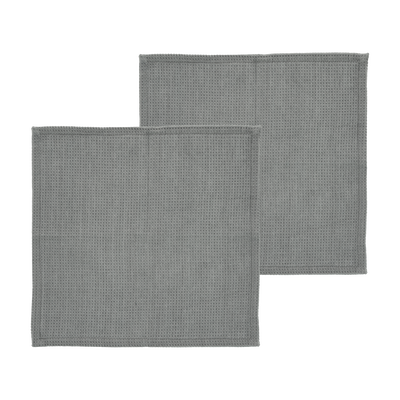
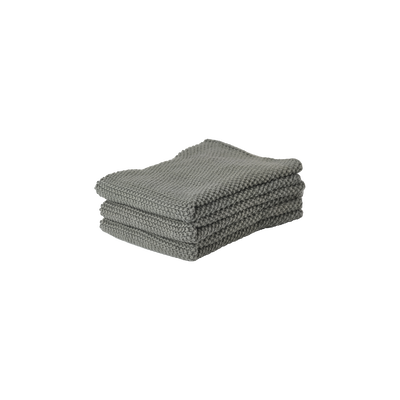
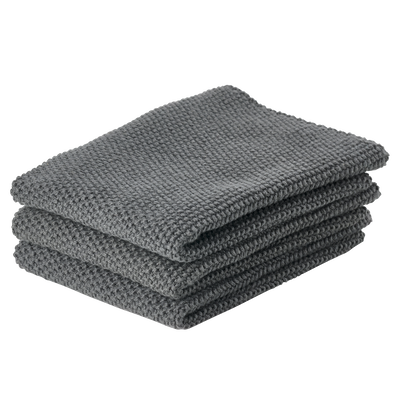
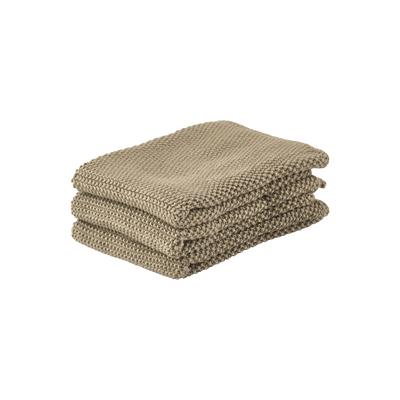
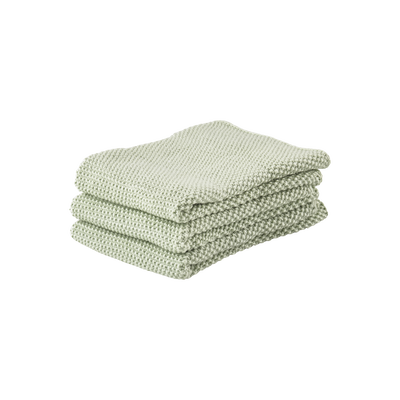
For most situations, a dish cloth is one of the kitchen textiles you reach for most often during the day. That is why many people start by looking at material and appearance first, then narrow their choice by colour and style. On this page, you can compare cotton dish cloths across different looks, including knitted designs that also work well as a visible part of the kitchen in the sink area.
How often should you change a dish cloth?
A dish cloth should be replaced more often than many people think. The Danish Health Authority recommends changing it once a day, or every couple of days if it is only used for crumbs on the kitchen counter and similar light tasks.
After use, rinse the dish cloth in very hot water, wring it out thoroughly and hang it up to dry. Bacteria thrive in moisture, so the faster the cloth dries, the fewer bacteria have time to develop in it.
A practical way to judge when it needs changing is to use your senses. If the cloth has started to smell or has become dirty, it is time to replace it.
The dish cloth should be replaced straight away if it has been used for wiping up raw egg, juices from raw meat, juices from raw poultry, juices from raw fish, or soil from vegetables.
It should never be used to wipe up anything from the floor, and it should not be used for drying pots, chopping boards, knives or similar items.
Washing dish cloths
Dish cloths should be washed at 60°C. Washing at that temperature helps ensure that bacteria in the cloths are killed. After washing, they can either be tumble dried or air dried. Always check the care instructions so you wash and dry them correctly.
If you are choosing between several cloths, it can help to think about repeated use and washing as part of the decision. Cotton dish cloths are made to be used again and again, so many shoppers compare them by how they fit into their everyday kitchen routine as well as by colour and finish.
How to style your kitchen with kitchen textiles
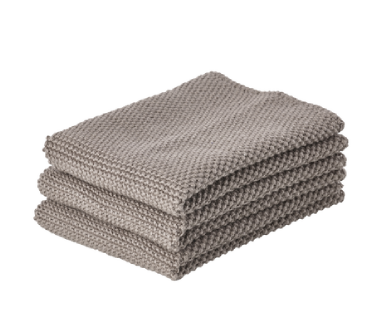
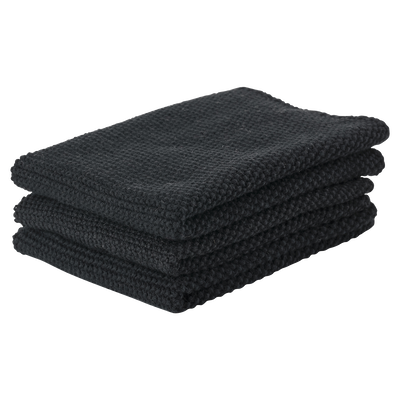
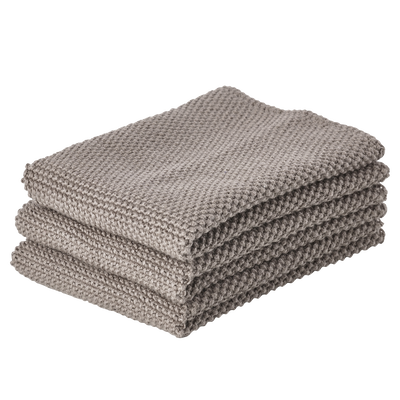
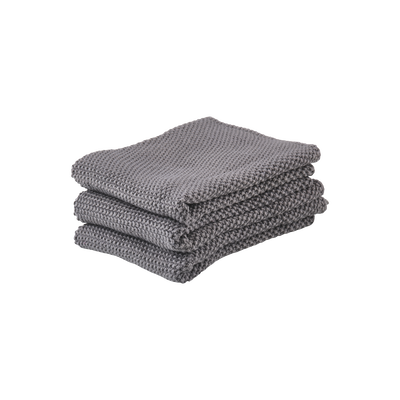
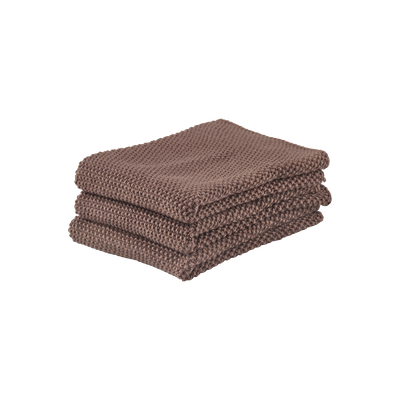
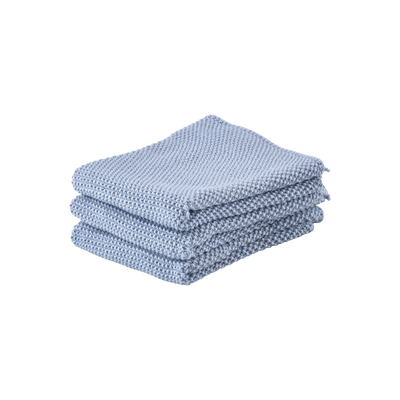
Dish cloths do not need to look purely practical. They can also be part of the overall look of the kitchen together with other textiles. Knitted cotton cloths add a softer look in the sink area and can almost look homemade, while still being made for everyday kitchen use.
The range includes 100% cotton dish cloths from brands such as Zone Denmark, Södahl and Bastian. Choosing cotton means avoiding chemicals and microplastics, and the cloths can be used again and again. If you are browsing from the wider kitchenware selection or comparing styles across kitchen textiles, dish cloths are often one of the easiest places to bring colour and texture into the room.
If you want a more coordinated look, you can pair your dish cloths with matching tea towels and kitchen towels. This makes it easier to create a consistent look in the kitchen using textiles in a colour you like.
You can also continue the same colour direction with oven mitts and pot holders, which are used when handling a hot dish or similar items so you do not burn your hands.
Some shoppers also explore other textile categories at the same time. Depending on what you need, you may also want to look at aprons for kitchen use, coffee and teapot covers as part of the textile range, or shopping bags if you are browsing beyond the sink area and looking at textile products more broadly.
Choosing dish cloths by material, colour and look
When people shop for dish cloths online, they often begin with the material. In this category, the focus is on cotton dish cloths, including knitted cotton styles. That makes comparison more straightforward, because you can then concentrate on the details that matter most to you, such as colour, texture and overall appearance.
If aesthetics matter to you, knitted cotton dish cloths are a useful place to start. They bring a more decorative look to the sink area and can stay on display when not in use. If you mainly want cloths that fit into an existing colour scheme, browsing by shade can be the simplest approach. The assortment includes many colours, so it is easy to move from a broad overview to more specific choices.
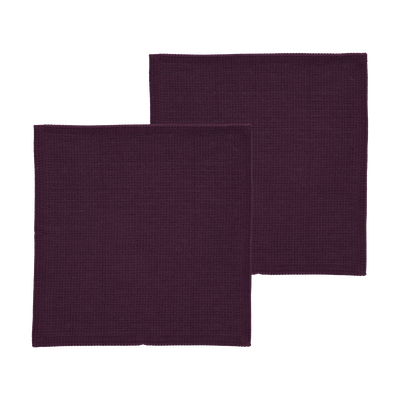
For everyday use, some people prefer classic neutral colours, while others look for stronger shades that stand out more clearly in the kitchen. This category helps with that process by gathering the options in one place, so you can compare similar products without having to switch between unrelated product types.
Dish cloths as part of your everyday kitchen setup
A dish cloth is a small item, but it plays a regular role in the kitchen. Because it is often left near the tap or sink between uses, many people want one that is both practical and pleasant to look at. Cotton cloths in different colours make it easier to match the rest of the kitchen textiles and keep the area looking considered rather than random.
As you move through the category, a useful way to choose is to start with the role the cloth will have in your kitchen. If you want it mainly for visible everyday wiping tasks on counters and tables, colour and knitted texture may be a priority. If you are replacing existing cloths and want them to work with what you already have, comparing shades alongside your other textiles is often the easiest route.
This category is designed to support that kind of comparison. You can start with dish cloths specifically, then continue into related textile categories if you want to build a more complete kitchen setup with coordinated pieces.
Frequently asked questions
What is a dish cloth used for?
A dish cloth is mainly used for wiping kitchen surfaces such as worktops, tables and areas around the hob. In everyday use, this means it is useful for clearing away grease splashes, crumbs and general marks after cooking or eating.
How often should you change a dish cloth?
A dish cloth should usually be changed once a day, or every couple of days if it is only used for light tasks such as wiping away crumbs. In practice, this helps you reduce moisture and bacteria building up in a cloth that is used often during the day.
How can you tell when a dish cloth needs replacing?
A simple way to judge it is by smell and appearance. If the cloth smells or looks dirty, it should be replaced, and in everyday use this makes it easier to spot when it is no longer suitable for kitchen surfaces.
When should a dish cloth be replaced straight away?
A dish cloth should be replaced immediately if it has been used to wipe up raw egg, juices from raw meat, poultry or fish, or soil from vegetables. In practice, this helps you avoid reusing the same cloth on kitchen surfaces after contact with mess that needs extra care.
How should you care for a dish cloth after use?
After use, rinse the dish cloth in very hot water, wring it out well and hang it up to dry. This makes it easier for the cloth to dry faster, which matters because bacteria develop more easily in moisture.
How should dish cloths be washed?
Dish cloths should be washed at 60°C, then either tumble dried or air dried according to the care instructions. In everyday use, this helps you clean them properly and makes it easier to build washing into your normal kitchen routine.
How do you choose between different dish cloths?
Many people start by looking at the material first, then compare colour, texture and overall appearance. In practice, this helps you narrow your filtered choices more easily, especially when comparing cotton and knitted cotton dish cloths for everyday use.
Can dish cloths be part of the look of your kitchen?
Yes, dish cloths can also contribute to the overall look of the kitchen, especially when they are matched with tea towels, kitchen towels or other kitchen textiles. This makes it easier to create a more coordinated sink area while still choosing something practical for daily wiping tasks.