What are dessert glasses used for?
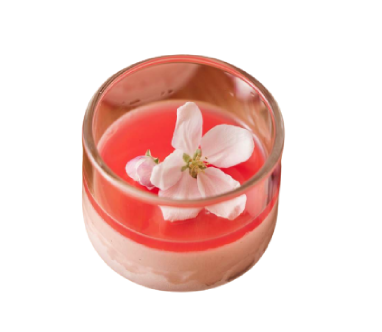
When you are planning a dinner, the meal often begins with drinks served in wine glasses or cocktail glasses. Dessert glasses help round off the meal by giving the final course its own presentation. Instead of placing dessert on small plates or in serving bowls, you can serve each portion in its own glass for a more defined and elegant finish.
That is one of the main reasons many people look for dessert glasses in a webshop like this one. The category makes it easier to focus on glasses made specifically for sweet servings, rather than browsing through the wider selection of table setting products. If you are already comparing different types of glassware, dessert glasses are a practical next step when you want the last part of the meal to match the rest of the table.
They are suited to both everyday meals and more festive occasions. For some, they are mainly used when guests are coming over. For others, they are also a simple way to serve fruit or small snacks in a more thoughtful way. Because dessert glasses are intended for individual portions, they help create a clear and tidy serving style that works well at the table.
If you are deciding between serving dessert in a glass or on a plate, a practical way to choose is to think about the presentation you want. Glasses highlight shape, layers and colour in a way that plates and bowls often do not. That makes them especially useful when the look of the dessert is part of the overall experience.
Which desserts can be served in dessert glasses?
Dessert glasses are useful for a wide range of sweet dishes. Ice cream and sorbet are obvious choices, as the glass gives each serving a clear portion and an elegant shape. Mousse also works well, and desserts such as chocolate cake or crème brûlée can be presented in dessert glasses when you want a more refined serving style.
One of the clearest examples is trifle. This type of dessert is often arranged in tall, transparent glasses, where the layers are visible from the outside. Berries, nuts, cream and jam can all become part of the presentation when they are shown through the glass. If you are comparing different dessert glasses on the page, this is a useful way to think about your choice. Some desserts look best when the glass lets the layers stand out clearly.
Presentation can make a real difference to how inviting a dessert looks. Serving in glass helps create a neat and appealing result, especially when the dessert includes different textures or colours. For most situations, that is one of the main benefits of choosing dessert glasses over flatter serving options.
Create colourful and layered presentations
Desserts served in glasses give you more room to work with colour and layers. Berries, mango and other fruits can help create contrast, while chocolate sauce or caramel sauce can add both colour and definition. A transparent dessert glass makes these details more visible, so the finished serving looks more complete before it even reaches the table.
This is also why many shoppers browse dessert glasses by thinking first about the dessert they want to make, and then about the shape that will suit it. If you typically serve layered desserts, a taller glass can help show the different elements more clearly. If you prefer simpler servings such as sorbet or a few scoops of ice cream, another style may feel more suitable. The category supports that kind of comparison by gathering dessert-specific options in one place.
Dessert glasses can also be used for occasions such as receptions and birthdays, where small individual desserts are easy to serve. At the same time, they are not limited to formal settings. They can also be used to serve fruit or snacks in everyday situations when you want a simple but attractive presentation.
A wide selection of elegant dessert glasses
At Kitchen Living Dining, dessert glasses are part of a wider assortment of glasses for different types of serving. If you are building a more complete collection for the table, it can be helpful to compare dessert glasses with other categories such as champagne glasses, shot and schnapps glasses, drinking glasses and beer glasses. Looking across related categories can make it easier to create a consistent table setting for different courses and occasions.
The range includes dessert glasses in both plastic and glass, which gives you different ways to choose depending on the setting and the style you prefer. The selection also includes designs from Blomsterbergs, Medusa-Copenhagen and Luigi Bormioli. If you are browsing with a specific material or brand in mind, this can help narrow the choice more quickly.
Some Blomsterbergs dessert glasses are described as both elegant and practical because they can go directly from the freezer to the oven. They are also dishwasher safe. They are made from borosilicate, a type of glass that also makes them suitable for baking. If you are comparing products in the category, details like these can help you move from appearance to more specific usage needs.
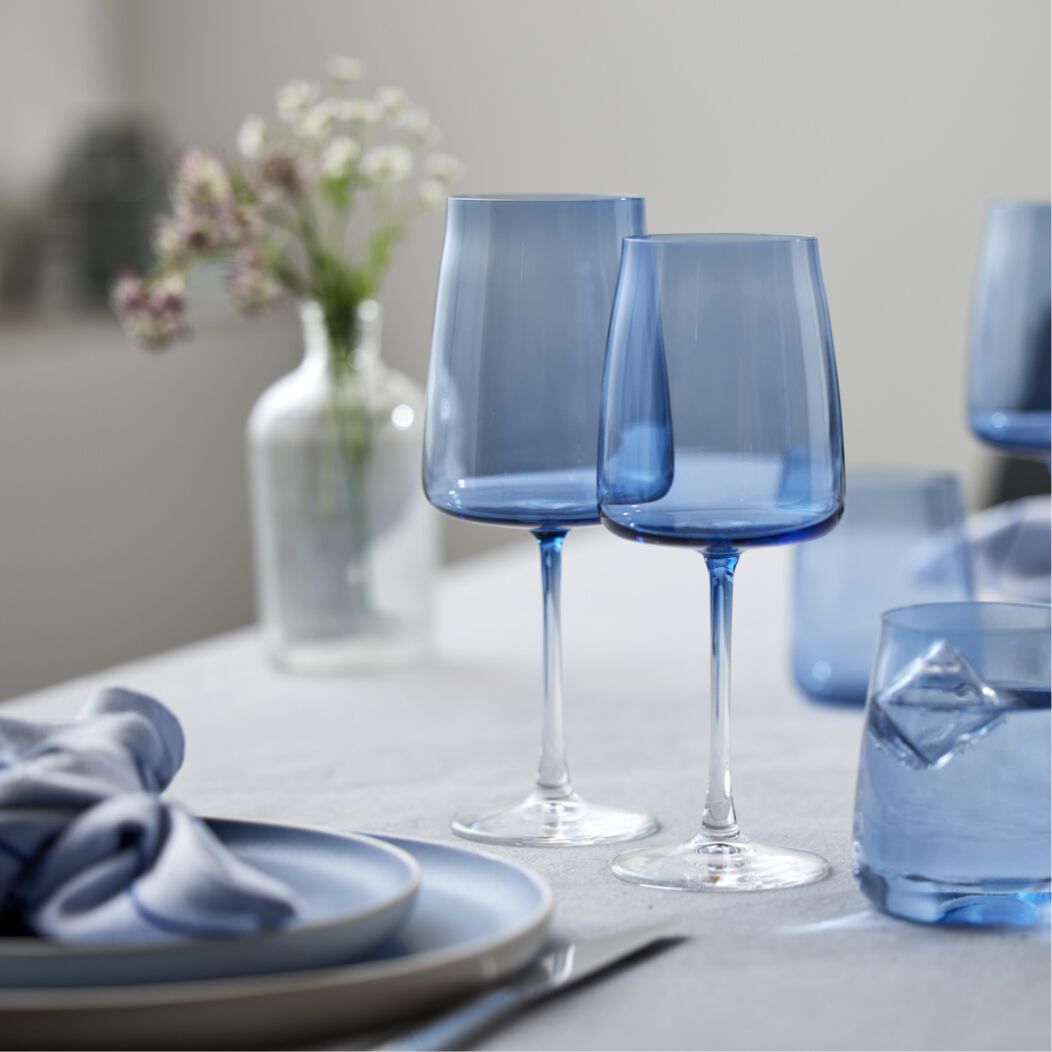
Another way to browse is by the look you want on the table. Some shoppers prefer a classic clear finish that keeps the focus on the dessert itself, especially for layered servings such as trifle. Others may want to compare with colored glasses when looking at the wider glassware assortment. That can be useful if you are thinking about how dessert glasses fit in with the rest of your table setting.
Also explore dessert wine glasses for port
A dessert can easily stand on its own, but some people prefer to enjoy it with a glass of wine. Port is often seen as a dessert wine, although it can also be enjoyed without dessert. If you are serving a three-course meal with a sweet final course, dessert wine glasses may be a relevant category to view alongside dessert glasses.
That can be a natural next step if you are planning the whole table rather than only the dessert course. For example, a sweet dessert such as crème brûlée or a traditional apple dessert may be accompanied by port served in a suitable glass. Browsing related glass categories side by side can make it easier to coordinate the full serving setup.
In that way, this category works both as a focused place to compare glasses for desserts and as part of a larger journey through the site. You can start with dessert glasses when you know what you want to serve, or begin in the broader glassware range and then narrow down to the styles made for individual sweet portions. Either approach makes it easier to compare options and choose the glasses that fit your table and your desserts.
Frequently asked questions
What are dessert glasses used for?
Dessert glasses are used to serve individual sweet portions in a more defined and tidy way than plates or serving bowls. In everyday use, this means that desserts such as mousse, ice cream or fruit can be presented more neatly at the table.
Which desserts work well in dessert glasses?
Dessert glasses suit a wide range of desserts, including ice cream, sorbet, mousse, trifle and some servings of chocolate cake or crème brûlée. In practice, this helps you serve both simple desserts and more layered recipes in a way that looks clear and organised.
Why choose a dessert glass instead of a plate or bowl?
A dessert glass can show the shape, colour and layers of a dessert more clearly than a flatter serving option. This makes it easier to highlight details such as cream, fruit, sauce or nuts when presentation is part of the meal.
How do I choose the right dessert glass for layered desserts?
If you often make layered desserts, a taller transparent glass can help the different elements stand out more clearly. In practice, this helps you show layers such as berries, cream and jam from the outside, which is especially useful for desserts like trifle.
Are dessert glasses only for formal occasions?
No, dessert glasses can be used for both festive occasions and everyday serving. In everyday use, this means that you can use them not only for desserts when guests visit, but also for fruit or small snacks when you want a simple and attractive presentation.
What should I look at when comparing dessert glasses online?
A practical starting point is to think about what you want to serve and how you want it to look on the table. This makes it easier to compare filtered choices by shape, material, brand or visual style, depending on whether you want to highlight layers, match other glassware or meet specific usage needs.
What is the difference between glass and plastic dessert glasses?
The category includes both glass and plastic dessert glasses, giving you different options depending on the setting and the style you prefer. In practice, this helps you narrow your choice by material before comparing the shape or look that best suits your desserts.
Are any dessert glasses suitable for freezer, oven and dishwasher use?
Some Blomsterbergs dessert glasses are described as suitable for going directly from the freezer to the oven, and they are also dishwasher safe. This makes it easier to choose a glass based not only on appearance, but also on how you plan to prepare, serve and clean it.