What size is a cake plate?
A cake plate can vary in size, but it typically measures 17 to 20 cm. That makes it a practical size for a slice of cake and other small servings. If you are comparing options in this category, size is often one of the easiest places to start. A smaller plate gives a neat presentation, while a slightly larger one gives a little more room on the plate.
When browsing online, many people begin by looking at the overall style and then narrow their choice by plate size. That can be a helpful way to compare dessert and cake plates, especially if you already have other plates at home that you want them to work with.
How many dessert plates should you have?
How many cake or dessert plates you need depends on what feels right for you. A common rule of thumb is to have 12 of each type of plate, so you have enough for everyday use as well as when guests visit.
If you live alone or do not often have guests, fewer plates may be the better choice. A practical way to choose is to think about how many place settings you usually need at one time and then compare sets or individual plates from there. That makes it easier to find a quantity that suits your own table setting rather than choosing more than you need.
Set the table with plates for dessert and cake
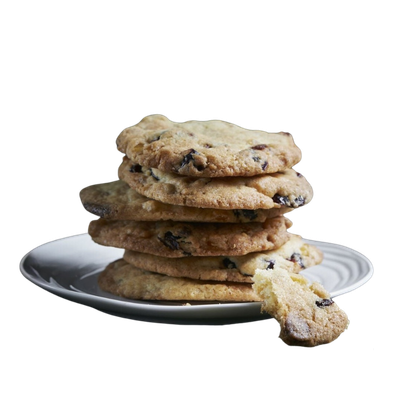
Desserts and cakes are often the final part of a meal, and the plate plays a clear part in how they are presented. Some people prefer dessert and cake plates that match the rest of their tableware, while others choose plates that stand out. In this category, you can compare different looks and find plates in a style that suits your table.
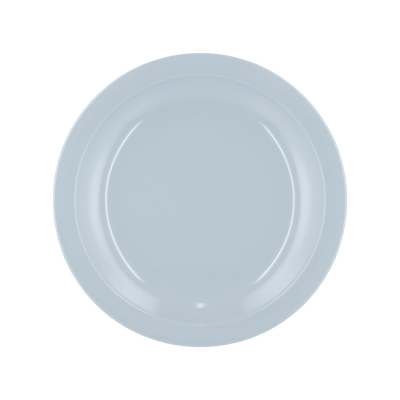
Shape and colour are often the details that make the biggest visual difference. If you want a calm and consistent table setting, matching your existing service can be a simple choice. If you would rather create contrast, a plate with a different finish or colour can add variety. Looking at dessert plates next to your larger plates is often a useful way to decide what feels right.
If you are building a full place setting, it can also help to look beyond this category. You can explore the wider table setting selection, or compare with other plates to see how dessert and cake plates fit into the rest of your service.
For serving cake, it can be useful to think about the whole presentation. A cake can be presented on a cake stand or serving platter, while cake plates are placed at the table with cake forks and a cake server. Coffee is also a natural part of many cake settings, so cups, saucers and jugs are often considered alongside the plates. Looking at the category this way can make it easier to move from choosing one item to planning the full table.
For desserts, the choice depends on what you are serving. Many desserts work well on a flat dessert plate, especially when the presentation should be simple and clear. Plates are easy to compare when you want something that suits more than one purpose, since they can be used for both cake and dessert depending on the occasion.
Brand and finish can also guide your decision. Dessert plates from BITZ are available in many colours and can add variation to the table setting. White dessert plates from Pillivuyt offer a more classic and simple look. If you are comparing several styles, this kind of difference can help you decide whether you want colour on the table or a more understated expression.
When a plate is not the only option
Although dessert and cake plates cover many needs, some desserts are better suited to other types of serving pieces. If you are serving ice cream, glass ice cream dishes can be an obvious choice. For mousses and trifle, dessert glasses may be better suited than a flat plate. For desserts such as crème brûlée, ramekins are practical because the dessert is both prepared and served in the same bowl.
This is often how customers move through a webshop category. First they look at the main product type, then compare whether another format might suit the dessert better. If you are deciding between plates and other serving pieces, it helps to start with how the dessert will be presented at the table.
You can also serve dessert in a serving bowl with serving utensils and let guests help themselves. That gives each person the option to choose their own portion size. In that case, dessert plates still play a role at the table, but they work together with larger serving pieces rather than being the main serving item.
If you prefer to serve cheese instead of a sweet dessert, the presentation changes again. Cheese can be arranged on a wooden serving board and paired with cheese knives for slicing. Even then, small plates can still be useful at the place setting, so it may help to compare dessert and cake plates with the rest of your serving pieces before choosing.
How this category fits with the rest of your plates
For many shoppers, dessert and cake plates are one step in building a more complete collection. If you are choosing plates for several parts of the meal, it can be helpful to compare sizes and functions across categories. Larger dinner plates are used for the main meal, while lunch plates suit lighter meals. Dessert and cake plates then cover the smaller servings that come afterwards or are served with coffee.
If you want several matching pieces at once, dinner sets can be a useful place to compare coordinated tableware. If you are choosing for younger members of the household, children’s plates are a separate option. You may also want to compare with soup bowls or tapas sets as part of a broader table setting.
Looking across these categories can make the decision easier because you can move from broad choices to more specific ones. First decide whether you want matching tableware throughout, then compare the individual pieces by use, size and style. That approach gives a clearer overview and helps you choose dessert and cake plates that work well with what you already have or with the collection you are building.
Find the right place in your table setting
Dessert and cake plates are small in size, but they make a clear difference to the finished table. They can be used to end a dinner with dessert, to serve cake with coffee, or as side plates when a smaller format is needed. Because they are available in different styles, they also give you a simple way to shape the overall look of the table.
When comparing products on this page, it helps to think about three things. How large the plate should be, whether it should match your existing tableware, and whether a plate is the best serving choice for what you plan to serve. Starting with those points makes the category easier to navigate and helps you narrow the selection in a practical way.
If you are putting together a more complete setting, dessert and cake plates are one part of a wider choice of tableware. Comparing them with your larger plates, bowls and serving pieces is often the easiest way to find the right balance for everyday use and for occasions when you are setting the table for guests.
Frequently asked questions
What size is a dessert or cake plate?
A dessert or cake plate is typically around 17 to 20 cm. In everyday use, this means that it suits a slice of cake and other small servings without taking up too much space on the table. A smaller plate gives a neater presentation, while a slightly larger one gives you a bit more room.
How many dessert plates should I have?
That depends on how many place settings you usually need at one time. A common rule of thumb is to have 12, but if you live alone or rarely have guests, fewer may be more practical. In practice, this helps you choose a quantity that fits your everyday table rather than buying more than you need.
Should dessert and cake plates match the rest of my tableware?
Some people prefer dessert and cake plates that match the rest of their service, while others choose a contrasting look. In everyday use, this means you can either create a calm, consistent table setting or add variation with a different colour or finish. Looking at them next to your larger plates can make the decision easier.
How do I choose between different dessert and cake plates online?
A practical place to start is with size, then compare style, shape and colour. In practice, this helps you narrow the filtered choices more easily, especially if you already have plates at home that you want them to work with. Many people first look at the overall look and then compare the more specific details.
Can dessert plates be used for both cake and desserts?
Yes, many flat dessert plates work well for both cake and simple desserts. In everyday use, this means one type of plate can cover more than one purpose depending on the occasion. This makes it easier to choose if you want something flexible rather than a piece for only one use.
When is a plate not the best option for serving dessert?
Some desserts are better served in other pieces, depending on how they are prepared and presented. Ice cream may suit an ice cream dish, mousses and trifle may work better in dessert glasses, and crème brûlée is often served in ramekins. In practice, this helps you decide by starting with the dessert itself rather than the plate.
How do dessert and cake plates fit with other types of plates?
Dessert and cake plates are the smaller plates used after the main meal or for cake with coffee. Dinner plates are used for main courses, while lunch plates are usually for lighter meals. This makes it easier to build a table setting when you compare each plate type by size and use.
What should I think about before choosing dessert and cake plates?
It helps to think about three things: the size you need, whether the plates should match your existing tableware, and whether a plate is the best serving choice for what you plan to serve. In everyday use, this means you can compare the narrower options in a more practical way. It also gives you a clearer overview if you are building a fuller table setting.