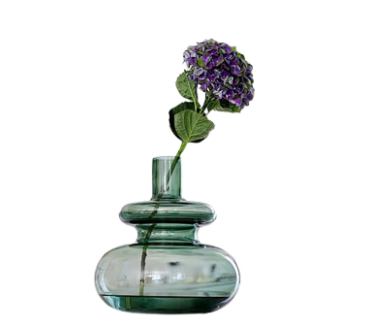
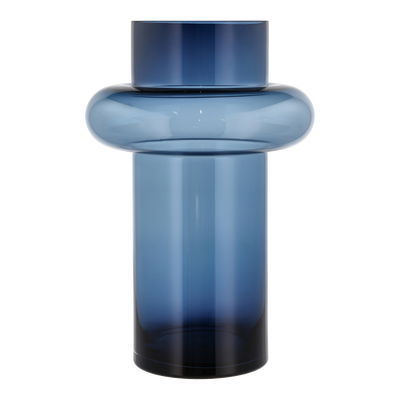
Save 30%
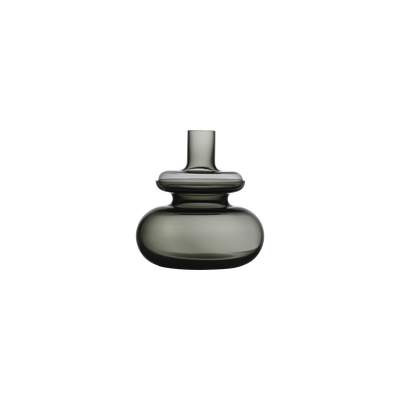
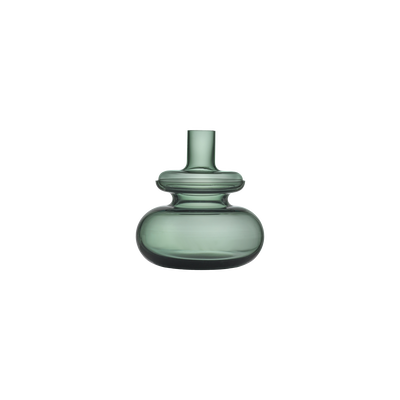
Save 30%
What the shape of glass vases means in everyday use
Shape is often the quickest way to decide whether a bouquet looks gathered and calm, or more loose and airy. When you browse this category, it helps to start by comparing shapes that match what you typically place in a vase, and then narrow down by height and opening.
A narrow glass vase supports the stems and makes it easier to keep flowers upright. This type works well if you often buy a smaller bouquet, or if you place single stems in water and want to avoid them tipping to the sides.
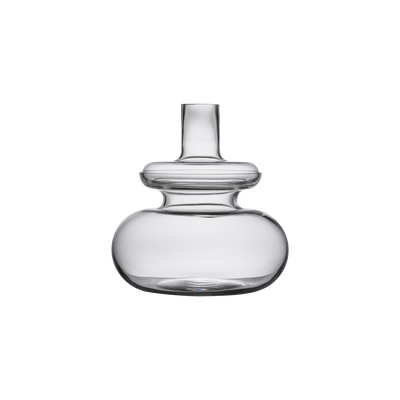
A round or wider glass vase gives the bouquet more room to spread. That can be an advantage for larger bouquets or flowers with many side branches, but it also requires some fullness so the result does not look too sparse. If you often use branches, a wider base can add stability, while the opening at the top can still be relatively gathered so the branches do not end up pointing in different directions.
A cylindrical glass vase is often a neutral choice, because it can work for both bouquets and single stems, depending on the diameter. It is also a shape many people like for the table, as it looks simple and does not take up too much visual space.
Height and opening: matching your bouquet to a glass vase
Height is closely connected to the stem length you want to use, and where the vase will be placed. Many people choose a lower glass vase for the dining table so you can see each other across it. For a sideboard, windowsill, or floor placement, a taller model can create a calmer look because the vase can carry the length of the stems.
The opening at the top makes a big difference to the result. A narrow opening gathers the flowers and gives a more controlled look. It suits tulips, roses and mixed bouquets where you want the flower heads closer together. When browsing online, the opening is worth checking in the product images, because two vases with the same height can behave very differently depending on how wide the top is.
A wide opening gives more volume, but it also places higher demands on how the bouquet is built. If you often arrange flowers yourself, a wide opening can be helpful because you have space to distribute stems. If you prefer placing a bouquet directly in the vase without adjusting it, a more gathered opening is often easier to get right.
Clear, coloured, or textured glass: what is the difference?
Clear glass vases show both stems and water, and they work with many types of bouquets because they do not compete with the colours. They are also a good match if you like seeing the bouquet’s shape all the way down into the vase.
Coloured glass vases change the overall impression, even with the same bouquet. Depending on the colour, they can tone down the flowers or highlight them. If you often have only a few flowers at a time, a coloured glass vase can add more visual weight so the arrangement still looks finished. Coloured glass can also be practical if you prefer the waterline to be less noticeable.
Textured glass, for example ribbed or patterned, creates a more tactile look. This can be useful if you want a glass vase that also looks good without flowers. At the same time, the surface can make the stems less prominent, which some prefer.
Which glass vase suits your everyday use and your rooms
The right choice depends on how you usually use vases. If you often bring home bouquets from the supermarket or a florist, a glass vase with good stability and a relatively gathered top is easy to work with. You can place the bouquet in without spending time arranging and still get a tidy result.
If you more often work with single stems, branches from the garden, or a few seasonal flowers, smaller glass vases or slimmer models are often the easiest option. A low glass vase can work well in a bathroom or on a bedside table, while a narrower and taller model fits a windowsill or a shelf where there is not much depth.
When you shop online, it can help to start with placement (table, windowsill, shelf, floor) and then compare a few shapes in the height range that fits that spot. From there, you can fine-tune by looking at the opening and the type of glass, depending on whether you want a more controlled bouquet or a looser arrangement.
If you are looking for more types of vases than glass, you can browse the full selection of vases. And if you are considering vases as part of your overall home details, it can also make sense to explore decor and interior, where vases often sit naturally alongside other elements.
Considering style and collections: glass vases and other vase options
Some choose glass vases because they fit into many styles without locking the look of a room into one direction. Others prefer a more defined shape or a specific collection that repeats across the home.
If you prefer a more raw and characterful look, you can compare with BITZ vases. If you lean towards a classic and sculptural look with a focus on form, Lyngby vases can be a natural place to compare. And if you prefer a more solid, Nordic feel in your interior, Morsø vases can also be relevant to include in your considerations.
One of the strengths of choosing a glass vase is that you can easily change the overall expression with the flowers. If you want more continuity in your interior, you can choose a glass vase that repeats shapes or colour tones from your other items, or go with completely clear glass if you want to keep it neutral and flexible.
Frequently asked questions
What does the shape of a glass vase change when I put flowers in it?
Shape affects whether your bouquet looks gathered and calm or more loose and airy. In everyday use, a narrow vase supports stems and helps keep them upright, while a round or wider vase lets a larger bouquet spread out more. A cylindrical vase is often a neutral option because it can suit both bouquets and single stems depending on its diameter.
When is a narrow glass vase the better choice?
A narrow glass vase works well for smaller bouquets or single stems because it keeps them from tipping to the sides. In practice, this makes it easier to get a tidy result without having to arrange the flowers much. It is especially helpful when you want the stems supported and the look to stay controlled.
What is the advantage of a round or wide glass vase?
A round or wider vase gives flowers more room to spread, which suits larger bouquets or flowers with side branches. In everyday use, it can also add stability if you often use branches, especially when the base is wider. It does, however, look best when the bouquet has enough fullness so the arrangement does not seem sparse.
How do I choose the right vase height for where it will stand?
Height should match both the stem length and the spot you plan to use the vase. In practice, a lower vase on a dining table can make it easier to see and talk across the table. For a sideboard, windowsill, or floor placement, a taller vase can carry longer stems and create a calmer overall look.
Why does the opening at the top matter so much?
The opening controls how gathered or loose the bouquet looks. In everyday use, a narrow opening keeps flower heads closer together and gives a more controlled result, while a wide opening creates more volume but asks more of how the bouquet is arranged. This makes it easier to choose a vase based on whether you like to arrange stems yourself or place a bouquet straight in.
What is the difference between clear, coloured, and textured glass vases?
Clear glass shows the stems and water and stays visually neutral with many bouquets. In practice, coloured glass changes the overall impression and can make a small number of flowers look more finished, while also making the waterline less noticeable. Textured glass, such as ribbed or patterned, adds a tactile look and can make stems less prominent.
How can I choose a glass vase online without seeing it in person?
Start by deciding where the vase will be placed, such as a table, windowsill, shelf, or floor, and then compare shapes in a suitable height range. In everyday use, checking the opening in product images helps because two vases of the same height can behave very differently depending on the width at the top. From there, you can narrow your options by choosing clear, coloured, or textured glass depending on the look you prefer.
Which types of glass vases tend to suit supermarket bouquets versus single stems and branches?
For ready-made bouquets, a stable vase with a relatively gathered top is often easiest to use. In practice, this lets you place the bouquet in the vase with minimal adjustment and still get a tidy look. For single stems, garden branches, or a few seasonal flowers, smaller vases or slimmer models can be simpler because they support a lighter arrangement.