
Save 30%




FREE SHIPPING

Find your new cutlery set here
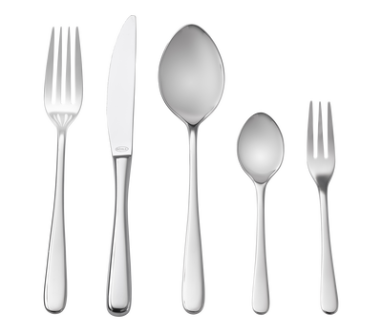
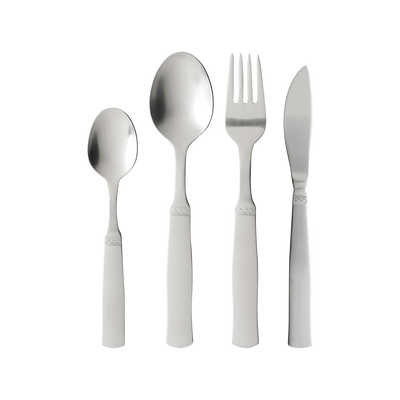
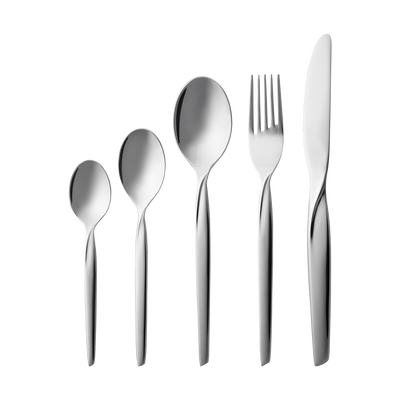
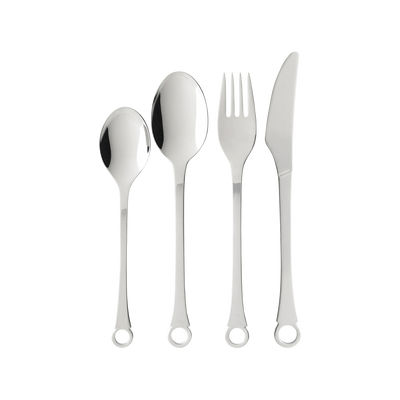
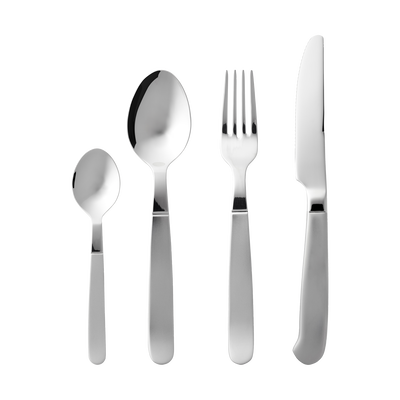
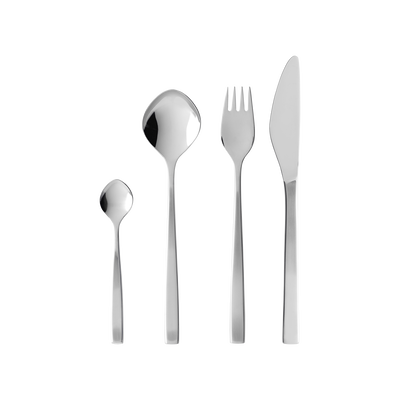
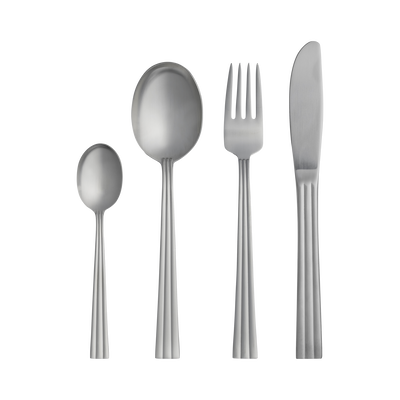
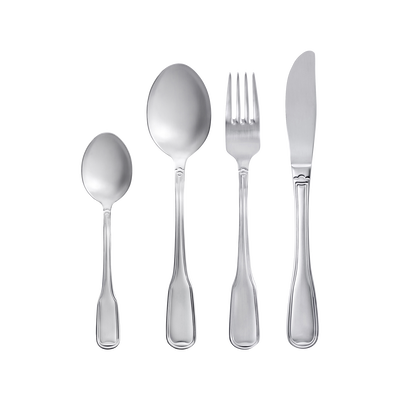
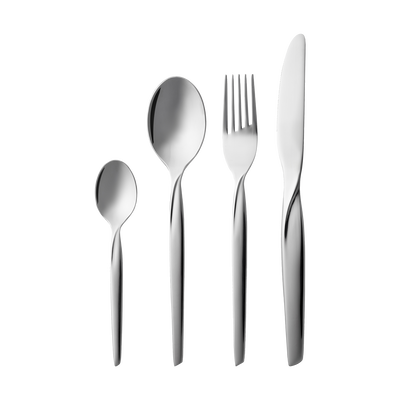
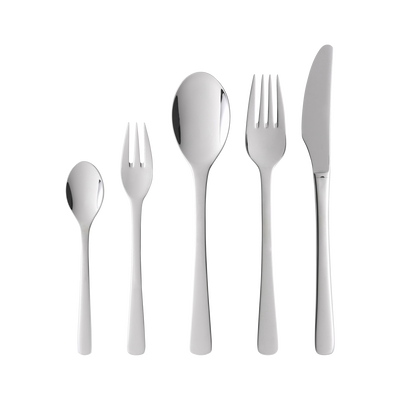
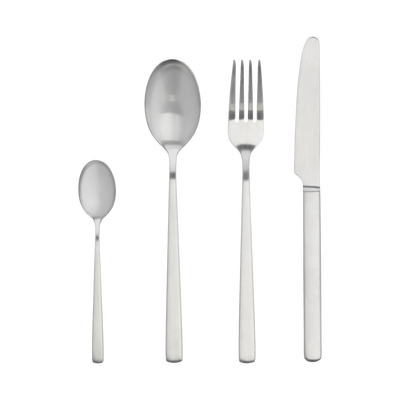
A cutlery set will most often include a knife, fork, teaspoon and tablespoon, and here you can also find sets with both 16 and 60 pieces. If you are unsure how much you need, a practical way to choose is to start with the number of people you want to cover and whether you are adding to an existing collection or replacing it with a larger set.
Some shoppers are looking for one simple set to complete what they already have. Others want a larger collection with more place settings from the start. This category gives you an easy overview of both options, so you can compare set sizes and decide what fits your table setting best.
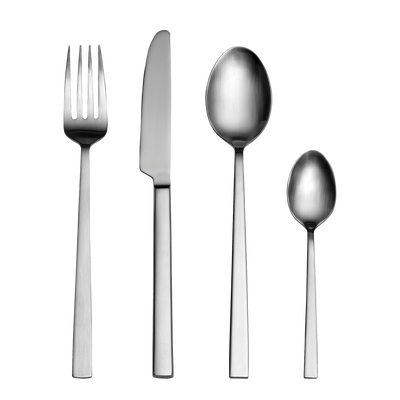
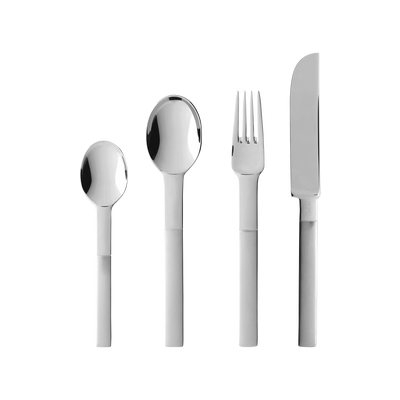
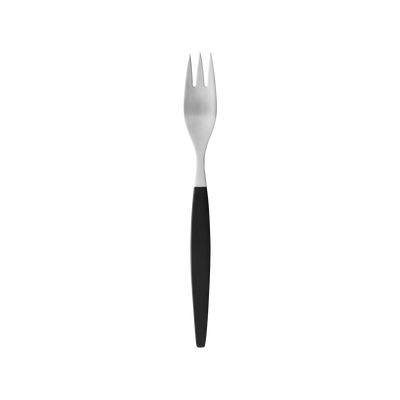
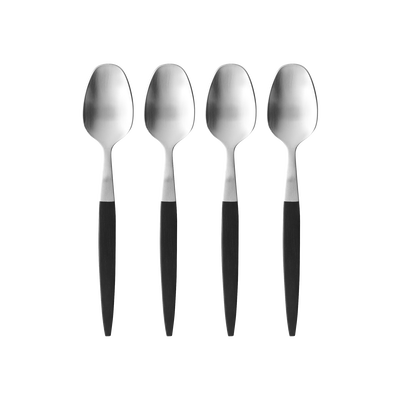
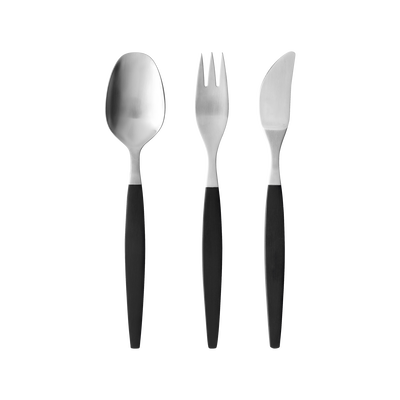
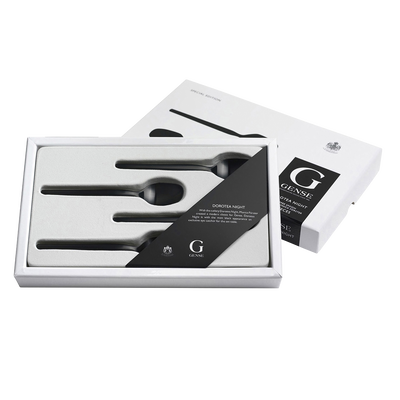
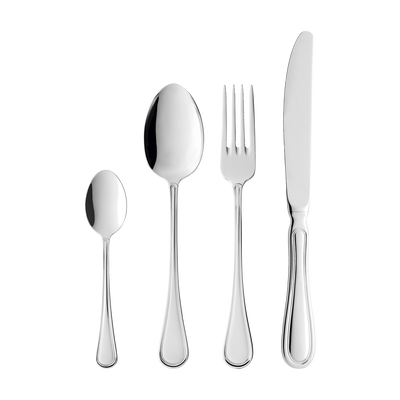
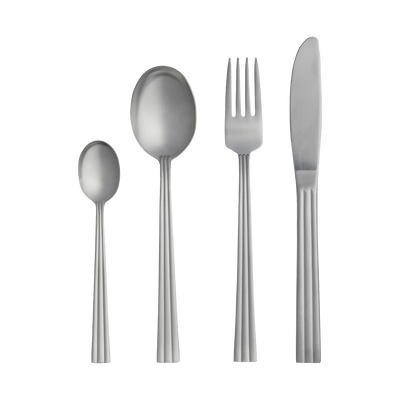
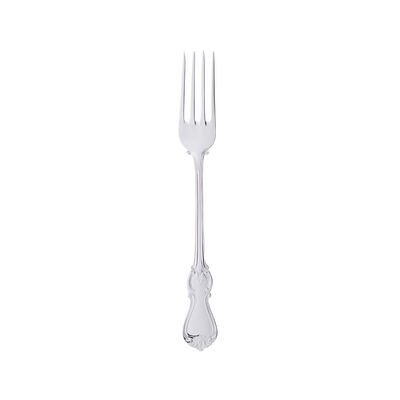
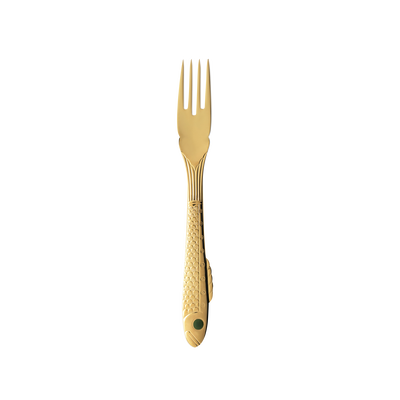
Design and finish also make a difference when choosing. If you prefer the classic look of polished stainless steel, you can look at timeless sets from Gense. If you want a more distinctive look, there are also matte cutlery sets from BITZ in brass or black matte-finished steel. If you want to compare by finish first, you can also browse silverware, black flatware or gold cutlery.
It can also be helpful to look at the rest of your tableware and match your cutlery to it. That creates a more consistent look across the table setting and makes it easier to choose between classic and more distinctive styles. If you want a broader overview before narrowing your choice, you can start in table setting or go directly to flatware and cutlery to compare related categories.
Cutlery sets for every meal
At Kitchen Living Dining, you can find sets that cover the cutlery used throughout the day. Use the spoon for yoghurt in the morning, the knife and fork for dinner, and the teaspoon for stirring milk into coffee. That is why many shoppers begin with a full set when they want the key pieces gathered in one place.
If you want a complete overview, cutlery sets are a useful starting point because they let you compare several pieces at once rather than selecting each item separately. For some, this is the easiest way to build a practical base for everyday use. For others, it is a way to choose a coordinated set for meals where the whole table setting should have the same look.
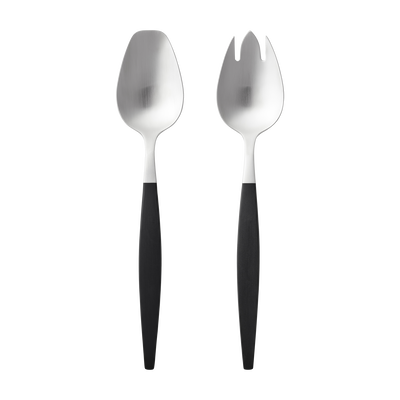
There are also more specific variants for particular meals and serving situations. If you are looking beyond a standard set, you can continue to categories such as cake forks and servers, salad cutlery and serving utensils. That makes it easier to move from the standard pieces in a set to the items used for serving and special dishes.
Which cutlery set should I choose?
That depends on the occasion you need it for and how many people it should cover. For most situations, the first step is deciding whether you want cutlery mainly for everyday meals or whether you are also choosing it for more formal table settings. From there, it becomes easier to compare the size of the set, the finish and the overall style.
You may be looking for simple cutlery that can go in the dishwasher and stand up to everyday wear. Or you may prefer more exclusive variants for special occasions that should be washed by hand. Looking at use first often makes the category easier to navigate, because it helps you filter the range by practical needs before focusing on design details.
If you already know which pieces matter most to you, it can also be useful to view the individual categories. You can compare separate knives, forks and spoons if you want to see the parts that typically make up a set. This is especially useful if you are building your collection gradually or comparing single items with complete sets.
Kitchen Living Dining has both individual pieces and sets, so the category supports different ways of choosing. Some visitors start with a full set and then add individual items later. Others begin with separate products and then decide that a coordinated set is a better match for their table setting. Either way, it helps to compare design and material with the rest of your tableware so the final choice feels consistent.
Explore more for your table setting
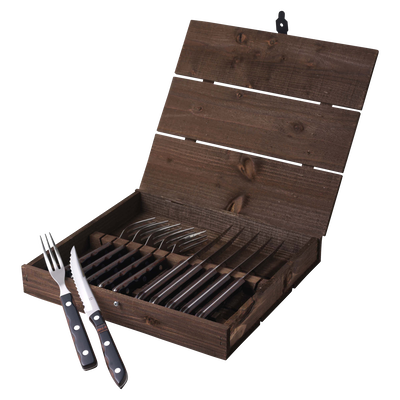
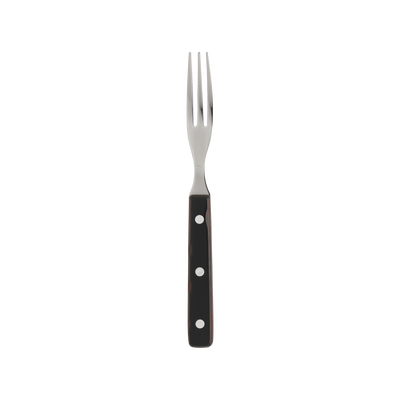
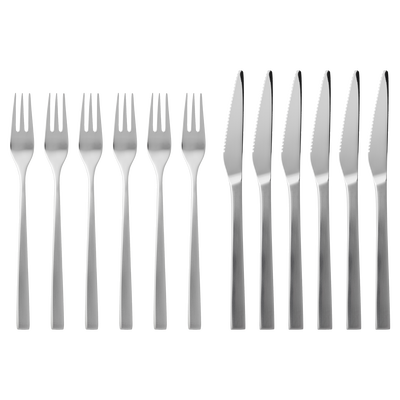
Cutlery is only one part of the full table setting, and many shoppers continue from this category to other related options. If you want to complete the table with pieces used for serving, you can explore serving utensils. If you are choosing for meals with grilled meat, steak cutlery is a natural next step.
There are also categories aimed at more specific needs. You can look at children's cutlery for smaller hands, or continue to special serving pieces such as cake forks and servers when the standard place setting is not enough. This webshop structure makes it easier to move from broad browsing to more precise choices depending on the meal and the way the table is arranged.
A well-chosen cutlery set can also help tie the table together visually. Food is not only about taste, and the overall impression of the table setting can make a noticeable difference. When you compare cutlery sets alongside the rest of your tableware, it becomes easier to create a consistent look rather than choosing each element in isolation.
If you are still deciding where to begin, it often helps to move from broad to narrow categories. Start with table setting for the full overview, continue to flatware and cutlery for the main cutlery categories, and then compare whether a complete cutlery set or separate pieces best suit your needs. This way of browsing makes it simpler to compare styles, finishes and functions before making a final choice.
Frequently asked questions
What is usually included in a cutlery set?
A cutlery set will most often include a knife, fork, teaspoon and tablespoon. In everyday use, this means you get the main pieces needed for typical meals and drinks gathered in one set.
How do I choose the right size cutlery set?
A practical way to choose is to start with how many people you want to cover and whether you are adding to an existing collection or replacing it. In practice, this helps you decide whether a smaller set or a larger set with more place settings makes more sense for your table.
Should I choose a full cutlery set or buy individual pieces?
If you want the main pieces collected in one place, a full set is often a useful starting point. This makes it easier to compare several pieces at once, while individual knives, forks and spoons can be more suitable if you are building your collection gradually.
What should I look at when comparing different cutlery sets?
It helps to compare the size of the set, the finish and the overall style. In practice, this helps you narrow your choice based on whether you want cutlery mainly for everyday meals or also for more formal table settings.
How important is the finish when choosing a cutlery set?
The finish can make a noticeable difference to the overall look of the table, whether you prefer polished stainless steel or a more distinctive matte style. This makes it easier to match the cutlery with the rest of your tableware and create a more consistent table setting.
Should I match my cutlery set to the rest of my tableware?
Looking at your plates, bowls and serving pieces can help when choosing between classic and more distinctive cutlery styles. In everyday use, this means the table setting feels more coordinated instead of each element looking separate.
How do I choose cutlery for everyday use or special occasions?
A useful first step is to decide how the cutlery will be used most often. In practice, this helps you compare simple dishwasher-friendly options for daily meals with more exclusive variants that may be better suited to occasional use and hand washing.
Where should I look if I need more than a standard cutlery set?
If a standard place setting is not enough, you can continue to more specific selections such as cake forks and servers, salad cutlery, serving utensils or steak cutlery. This makes it easier to move from the core pieces in a set to narrower options for serving and particular meals.