Which bathroom scale should I choose?
When choosing bathroom scales, a practical place to start is maximum capacity. Think about how many kilos the scale needs to measure, based on who will be using it. This helps narrow the selection before you compare more specific features.
Another key difference is sensitivity. Some scales are more fine-tuned than others. If you want the scale to register very small changes, it makes sense to choose one with a higher level of sensitivity. This can be helpful if you want to follow changes over time rather than only looking at the overall number.
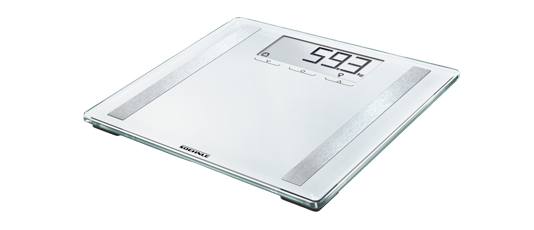
You can also choose bathroom scales with body analysis functions. Some models can measure BMI or show readings for body fat and body water. This can be useful if you train and want to keep an eye on changes in fat and muscle over a period.
Some scales can store your data, making it easier to follow your physical development over time. If you usually compare readings across days or weeks, this kind of function can make the overview simpler.
On a webshop page like this, many people start by deciding whether they want a simple scale for weight only or a model with more functions. After that, it becomes easier to compare capacity, sensitivity, memory functions and design. If you want to explore more for the room around it, you can also browse home decor and the wider selection of bathroom accessories.
How can a bathroom scale measure body fat?
If you are wondering how a bathroom scale can show body fat percentage, the explanation is quite straightforward. To take this type of reading, you need to stand on the scale with bare feet.
The scale then sends a weak and harmless current through the body. It analyses how the body conducts that current and uses this to estimate how much of the body consists of fat. The reason this works is that fat conducts electricity very little compared with muscle and other tissue.
A scale with a built-in body fat function can be useful in many situations. This is especially relevant if your body weight does not change much, but you still want to follow changes in body fat or muscle over time.
Bathroom scales with body analysis can therefore give a broader picture than weight alone. The number on the scale by itself rarely says very much on its own, so some users prefer extra measurements when comparing progress.
If appearance matters because the scale will stay visible in the room, you may also want to compare the look of different models while you review functions. Some people prefer a more classic style, while others look for glass or a colour that fits in quietly with the rest of the bathroom.
Tips for accurate weighing
Several factors can affect how accurate a reading is. If you want results that are as comparable as possible, it helps to use the scale in a consistent way. Below are some of the most common points to keep in mind.
1. Place the scale correctly
Before stepping onto the scale, make sure it is standing on an even and stable surface. This is important for all scales. If you use a digital model with body fat or similar functions, you also need to stand on it with bare feet for those readings to work properly.
It also helps to wear as little clothing as possible when weighing yourself, since clothing adds weight and can be difficult to account for if you want to compare results closely over time.
2. Keep the scale indoors
Large and sudden changes in temperature can affect the weighing cells inside the scale. They may expand or contract, which can influence the accuracy of the measurement. For that reason, it is generally best to keep the scale indoors and avoid exposure to direct sunlight or frost.
3. Choose a sensitive scale of good quality
The quality of the scale has a clear impact on measurement accuracy. A more sensitive scale makes it easier to notice even small changes. If you are tracking gradual weight gain or weight loss, that level of detail can be useful when comparing one reading with the next.
4. Weigh yourself at the same time of day
If you want readings that are as accurate and comparable as possible, weigh yourself at the same time each day. Body fluid levels can vary quite a lot over the course of a day, which can affect the number you see. A common rule of thumb is to weigh yourself in the morning after using the toilet.
Bathroom scales for different needs
If your scale will be left out in the bathroom, design may also be part of your choice. You can compare whether you prefer an analogue or digital bathroom scale, and whether the look should be more traditional, made of glass or matched to the rest of the room.
For most situations, it helps to start with function and then refine your choice by appearance. In a category like this, that means moving from broad decisions such as digital or analogue, to more detailed ones such as memory, sensitivity and body analysis. This makes the category easier to use when you want to compare several models side by side.
If you are also updating other parts of the room, you can continue with related categories such as bath mats, shower curtains and pedal bins. You can also compare finishing details such as soap dishes, soap dispensers, toothbrush holders and toilet brushes.
More ways to complete the bathroom
Once you have chosen bathroom scales, you may want to look at other items that shape the room in everyday use. Soft textiles such as towels and washcloths can be explored alongside practical products and decorative details.
If you are comparing items across the same area of the home, you can also browse bathroom mirrors, other bathroom items and scented candles and oils. For a softer, more relaxed feel, there are also categories such as bath robes, sleepwear and spa.
By exploring the category in steps, it becomes easier to choose bathroom scales that match your needs and then continue with the bathroom accessories that matter most in the rest of the space.
Frequently asked questions
How do I choose the right bathroom scales?
A practical place to start is maximum capacity, based on who will be using the scale. After that, you can compare whether you want weight only or extra functions such as body analysis, memory and higher sensitivity. In practice, this helps you narrow the options before looking at design.
What is the difference between analogue and digital bathroom scales?
The category content highlights that many people compare analogue and digital bathroom scales as a first step. Digital models can also include extra functions such as memory or body analysis, while some shoppers simply prefer a more traditional analogue style. This makes it easier to decide whether you want basic weighing or more detailed readings.
Why does sensitivity matter in bathroom scales?
Sensitivity affects how finely the scale registers small changes in weight. If you want to follow gradual changes over time rather than only seeing a broad overall number, a more sensitive scale can be useful. In everyday use, this means that small differences from one reading to the next are easier to notice.
How can a bathroom scale measure body fat?
A bathroom scale with body fat analysis works when you stand on it with bare feet. It sends a weak current through the body and estimates body fat based on how the body conducts that current, since fat conducts very little compared with muscle and other tissue. In practice, this gives a broader picture than weight alone.
Do I need to use bathroom scales barefoot for body analysis readings?
Yes, if the scale has body fat or similar body analysis functions, you need to stand on it with bare feet for those readings to work properly. This is because the scale needs direct contact to send and measure the harmless current used for the estimate. In practice, this helps the scale produce the type of reading the function is designed for.
How can I get more accurate and consistent readings from bathroom scales?
Place the scale on an even, stable surface and try to use it in the same way each time. The content also advises weighing yourself at the same time of day, ideally in the morning after using the toilet, and wearing as little clothing as possible. This makes it easier to compare results over days or weeks.
Can temperature affect how a bathroom scale works?
Yes, large and sudden temperature changes can affect the weighing cells inside the scale. The category content explains that these parts may expand or contract, which can influence accuracy. In everyday use, this means it is best to keep the scale indoors and away from direct sunlight or frost.
What is the benefit of memory functions on bathroom scales?
Some bathroom scales can store your data so you can look back at earlier readings more easily. If you usually compare results across different days or weeks, this can give you a clearer overview of changes over time. In practice, this helps you track development without needing to note every result separately.