











How do you create a cosy children’s room?
It is important to create a cosy room where your child feels comfortable and enjoys spending time. A children’s room is often put together from several small choices, so it helps to start with the overall feel you want and then narrow it down to the details that suit the space.
You can create a cosy children’s room with things your child likes and by choosing colours your child enjoys. Many people also find it helpful to involve the child in deciding how the room should look. On a webshop, that often means beginning with the broader front page, moving into Home decor, and then exploring the Children category in smaller, more specific sections.
Ideas for decorating a children’s room
If you are looking for ideas for a nursery, girls’ room or boys’ room, a practical way to choose is to think in layers. Start with the pieces that affect comfort in everyday use, then add decorative details that bring the room together. This makes it easier to compare products by purpose instead of trying to decide on everything at once.
A rug can make the floor more comfortable for walking and playing. If the room has a hard floor, this is often one of the first categories worth looking at. In the selection of rugs for children, you can focus on options that help make the floor area softer and more inviting for play.
Lighting can also help shape the room. The Danish text highlights cosy string lights above the bed or near the window, where they spread light and atmosphere. If you want to continue with that part of the room, you can explore lighting as a natural next step alongside the children’s range.
For the bed area, soft textiles make a clear difference. The original category mentions soft children’s bedding with a cosy motif from Södahl, along with pillows, soft toys and children’s blankets that make the bed comfortable for sitting or lying in. If you are building the bed area piece by piece, you can compare throw blankets for children with pillows and soft toys depending on whether you want extra softness, decorative detail, or both. You can also browse home textiles for a broader view of textile choices in the home.
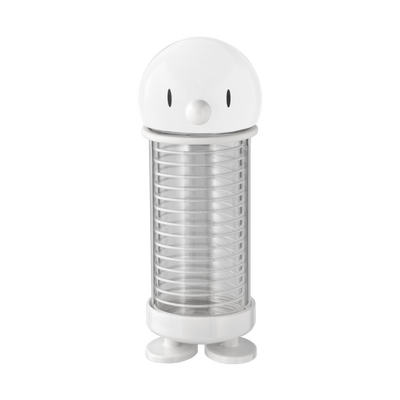
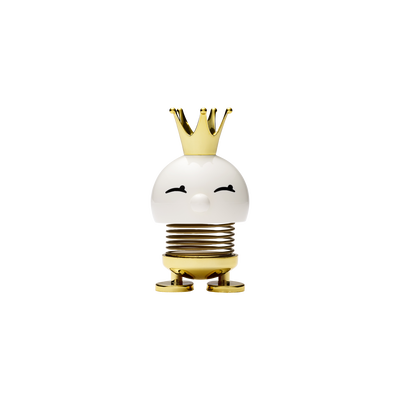
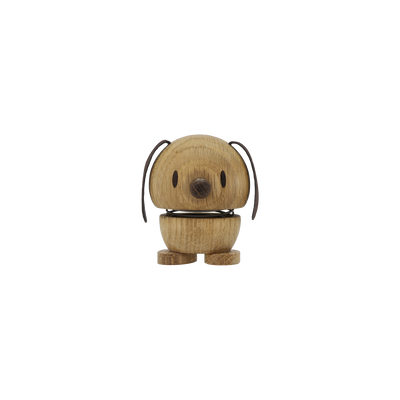
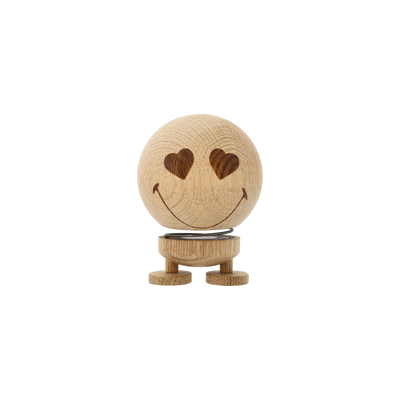
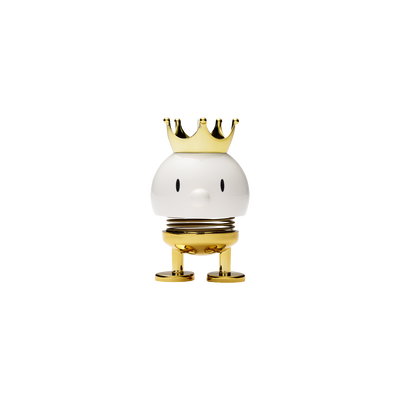
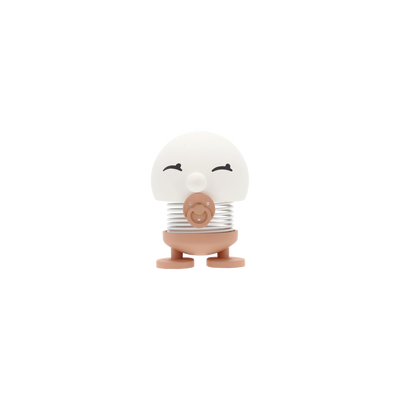
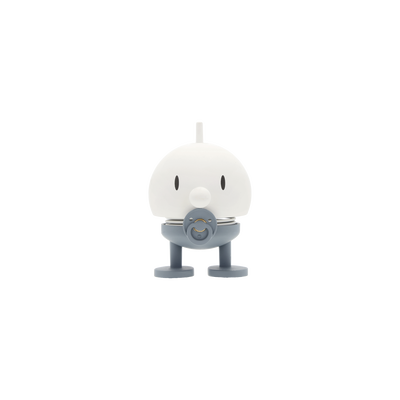
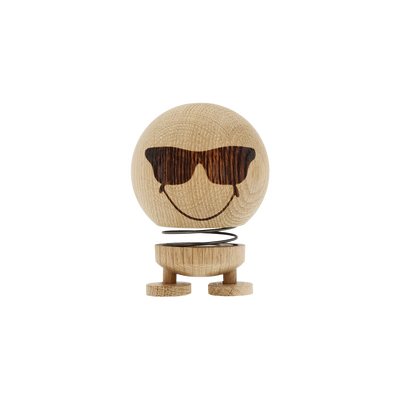
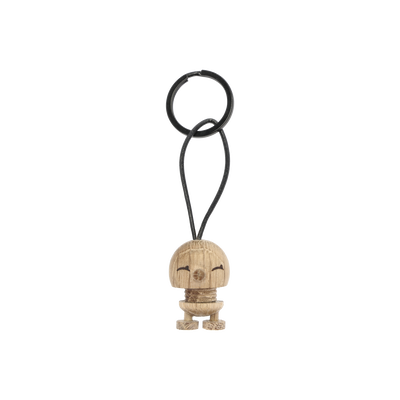
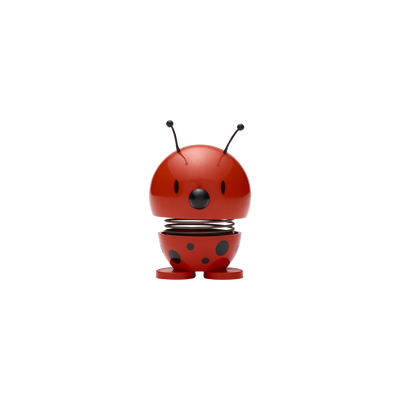
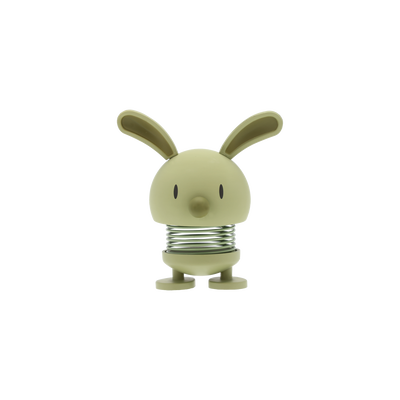
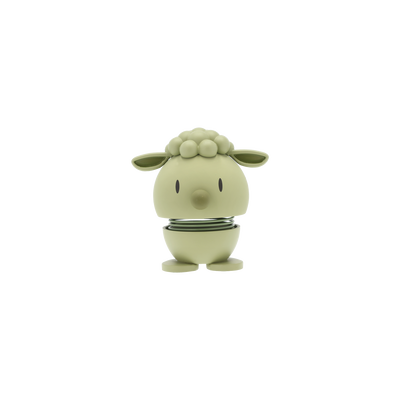
Decorative figures are another simple way to add personality to shelves, tables, windowsills and bookcases. They are mainly chosen for the look and mood they create, so this is a category where many shoppers compare by style rather than function. In the range of figurines, you can look at pieces that suit the rest of the room. The Danish text also mentions brands such as Hoptimist and Medusa-Copenhagen as examples of figures that can add a playful expression.
Everything for children at Kitchen Living Dining
Children should also have well-made products that support everyday life, and this category brings together decorative and practical items in one place. You can find room accessories as well as textiles for the children’s room, and the products are divided into categories to make the selection easier to navigate.
That structure is useful when you already know what you need, but it also helps when you are still comparing options. Some shoppers begin with the room itself and look at rugs, blankets or decorative details. Others start with daily routines such as bath time or mealtimes. Because the range is split into clear groups, it is easier to move from a broad need to a more specific product type.
Towels for children
Towels for children with cute motifs can make drying off after a bath feel more comfortable. If you are mainly looking at products used around bath time, it can also make sense to continue into bathroom accessories for related categories elsewhere in the home range.
Throw blankets for children
Soft throw blankets for children are well suited to the bed in a children’s room. They are helpful when you want to make the bed feel cosier for sitting or lying down. When comparing this category, the main choice is usually whether you want a blanket as a practical extra layer or as a soft detail that adds comfort to the room.
Children’s bedding and soft room textiles
The Danish source refers to soft children’s bedding in many colours and patterns that fit well in a children’s room, as well as bedding from Södahl. If you are coordinating the bed area, you may also want to look at decor and interior for surrounding decorative elements, or furniture if you are planning the room more broadly.
Tableware for children
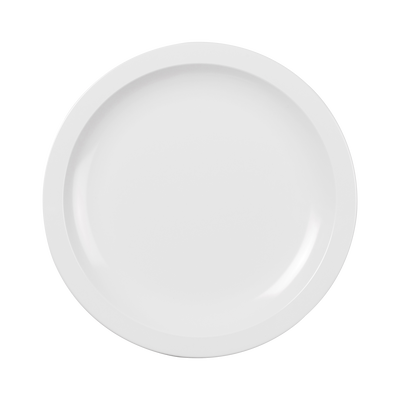
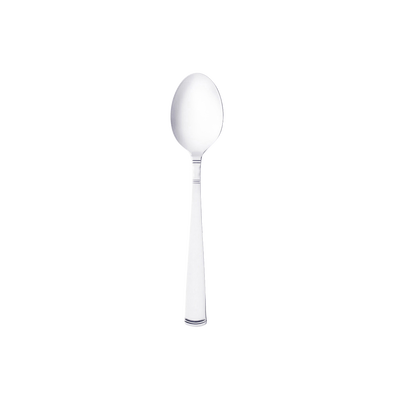
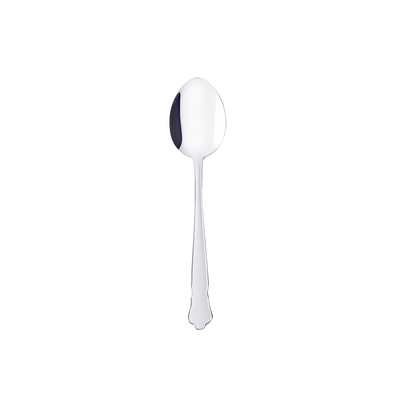
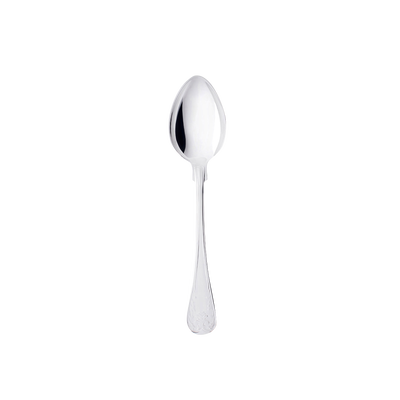
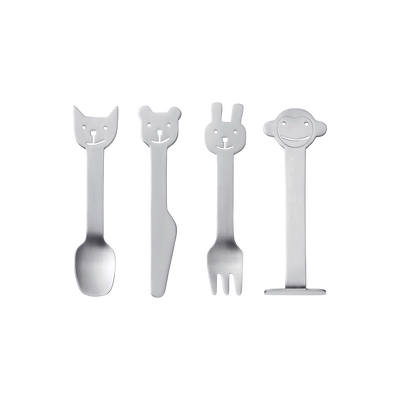
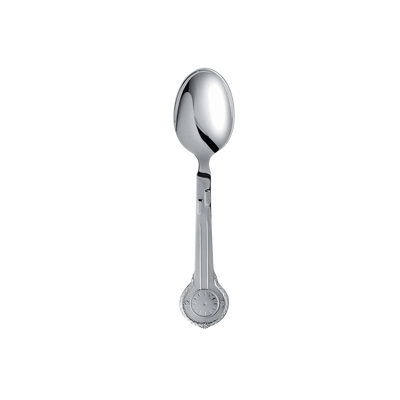
Mealtime products are another important part of this category. In tableware for children, you can explore colourful plates, bowls, cutlery, glasses, cups and mugs in sturdy plastic. These products are especially practical when you want children’s own items for everyday meals, and the category makes it easier to compare the different types of tableware in one place.
Rugs for children
Soft rugs for children are a useful choice on hard floors such as wooden floors, where they make it more comfortable to walk and play. If you are furnishing the room step by step, rugs are often one of the easiest ways to define a play area and add softness without changing the whole room.
Figurines
Figurines decorate a children’s room and help create a cosy atmosphere. They work well on shelves, tables and windowsills, and they are easy to compare by expression, colour and placement in the room. For nearby categories with a similar decorative focus, you can also browse home gadgets or home care depending on what else you are looking for in the wider home selection.
Lunchboxes and water bottles
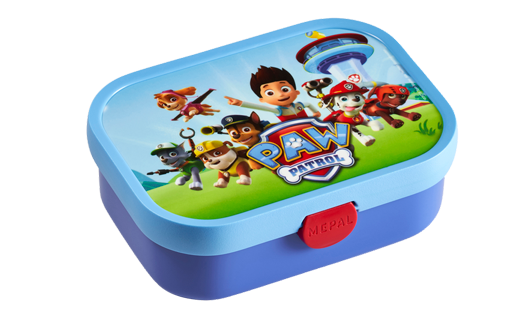
Lunchboxes and water bottles are suitable for nursery, school or trips out. The Danish text highlights that they keep food and drinks well and do not leak. If you typically shop by situation, this is a practical category to visit when the focus is not the room itself but children’s everyday items for use away from home.
Pillows and soft toys
Soft pillows and cute soft toys are found in many children’s rooms, where they add cosiness and a sense of comfort at bedtime. This part of the range is useful when you want to finish the room with softer details, and it works especially well together with blankets, bedding and rugs when you want the whole room to feel more inviting.
Overall, this category helps you move from inspiration to selection in a clear way. You can start with the room, the bed, bath time or mealtimes, then narrow your search within the relevant subcategory. That makes it easier to compare products by use, placement and purpose, while still keeping the wider children’s range easy to navigate.
Frequently asked questions
How can I make a children’s room feel cosy?
You can start by choosing colours, textiles and decorative details that your child likes and feels comfortable with. In everyday use, this means combining practical items such as rugs and blankets with softer touches like pillows, soft toys and figurines to create a room that feels inviting.
What is a practical way to choose children’s room decoration?
A useful approach is to think in layers and begin with the items that affect comfort most, such as rugs, lighting and bed textiles. In practice, this helps you compare products by purpose first, rather than trying to decide on the whole room at once.
Why would I choose a rug for a children’s room?
A rug can make a hard floor more comfortable for both walking and playing. This makes it easier to define a play area and add softness to the room without changing the rest of the space.
How do I choose between children’s blankets, pillows and soft toys?
The main difference is how you want to use them in the room. In everyday use, a blanket can add an extra soft layer on the bed, while pillows and soft toys often add comfort, decoration or both around the sleeping area.
What should I look at if I am choosing children’s tableware?
The category includes plates, bowls, cutlery, glasses, cups and mugs designed for children’s everyday meals. In practice, this helps you compare the different item types in one place when you want children to have their own tableware for mealtimes.
Are lunchboxes and water bottles mainly for use at home or away from home?
They are mainly suited to use outside the home, such as for nursery, school or trips out. In everyday use, this means they are a practical place to start when you are looking for children’s items linked to daily routines away from the room itself.
How can I browse children’s products more easily on a webshop?
It often helps to begin with a broad need, such as the room, bath time or mealtimes, and then move into narrower options. This makes it easier to focus on filtered choices by use, placement and purpose instead of looking through everything at once.
What are figurines used for in a children’s room?
Figurines are mainly used as decorative details on shelves, tables, windowsills and bookcases. In practice, this helps you choose them by expression, colour and how they fit with the mood of the rest of the room.