Lunchboxes and water bottles for children
Lunchboxes and water bottles are part of everyday routines for many children, whether they are used at nursery, kindergarten, school or on outings. In this category, you can compare products with a focus on function, safety and design, and look at the details that matter most in daily use. The range includes products from brands such as Mepal, Thermos and Funktion, with options that combine practical features with child-friendly designs.
All lunchboxes and water bottles in the range are BPA-free, approved for food use and designed with children’s needs in mind. That includes easy closures, shapes that are comfortable to hold and a choice of motifs and colours. If you are comparing options for everyday use, it can help to start with the basics: whether you need a lunchbox, a water bottle or a matching set, and then narrow your choice by size, lid type, compartments and material.
A suitable lunchbox or water bottle can make a noticeable difference during the day. It helps keep meals organised in a school bag, supports easier handling during breaks and makes it simpler for children to recognise their own things.
Why the right lunchbox and water bottle matter
A good lunchbox or water bottle needs to cope with repeated use, washing, opening and closing. It also needs to suit the child who will use it. For most situations, the best choice is one that feels simple to manage and fits the way meals and drinks are packed through the day.
When comparing products, many shoppers look for a few clear advantages: compartment layouts that help separate food, lids that close tightly, designs that children can open themselves and materials without harmful chemicals. Motifs and colours also play a role, especially for children who enjoy choosing a design they recognise and like.
If you typically pack different kinds of food in the same box, a divided model can help create more structure. If the main priority is a simple lunch setup, a classic lunchbox with one large section may be the easier choice. With water bottles, the same applies: some children do best with a straw or pop-up lid, while others manage well with a screw lid.
Guide: how to choose a lunchbox
A practical way to choose is to begin with the type of lunchbox that best matches the child’s routine. Children in nursery may need something different from schoolchildren, and some prefer several smaller snack boxes instead of one large lunchbox.
Types of lunchboxes
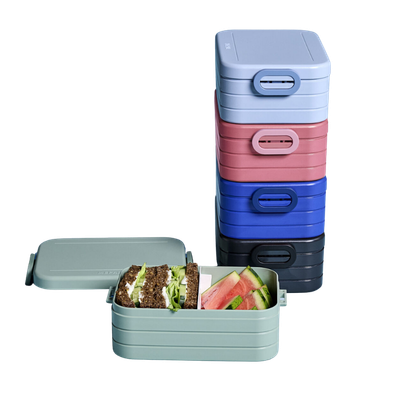
Bento lunchboxes with compartments are useful for varied meals where foods need to stay separate. Classic lunchboxes with one main compartment suit sandwiches or other simple packed lunches. Snack and fruit boxes work well for smaller portions and breaks during the day. There are also lunchboxes with a cooling element to help keep food fresh for longer, as well as stainless steel lunchboxes for a particularly robust option.
Features to compare
In everyday use, opening and closing is one of the most important details. A lunchbox should be easy enough for small hands to manage. Many shoppers also compare whether the box is dishwasher-safe, how tightly the lid closes and whether the inside layout gives a clear overview of the meal. If avoiding leaks and food odours is important, it makes sense to focus on models with tight-fitting lids.
Choosing the material
Plastic lunchboxes are lightweight, easy to handle and available in many colours and motifs. Stainless steel lunchboxes are very durable and often chosen when long wear is a priority. Some models also include silicone details, such as softer edges or lids that are easier for children to open on their own.
Guide: how to choose a water bottle
The best water bottle is not just about size. It also needs to be easy to use, close properly and stay practical throughout the day. If you are browsing for a child in nursery, kindergarten, school or for outings, it helps to compare bottles by age group, motor skills, lid type and material.
Age and everyday needs
For younger children, lightweight bottles with a straw or pop-up function are often easier to use. Schoolchildren may need a slightly larger bottle that can hold cold drinks through the day. For active children and outings, robust and leak-resistant models with click or screw lids are often the most practical choice.
Lid types
Straw lids are easy to drink from and suit smaller children well. Pop-up lids open with one press, which makes them practical during short breaks at school. Screw lids are often the most leak-resistant option, although they may require a bit more motor control. Click lids are often used on thermal bottles, where a tight closure also helps protect the drinking opening from dirt.
Materials and temperature needs
BPA-free plastic bottles are light and child-friendly, and they are available in many colours and character designs. Stainless steel bottles are very durable and are well suited when keeping drinks cold is a priority. Thermal bottles keep temperature for many hours and are a practical option for long school days and outings.
Popular designs and matching sets
Many children enjoy having a say in the design of their lunchbox and water bottle. Recognisable motifs and colourful designs can make it easier for them to identify their own things, while neutral and plain designs are also available for older children, teenagers and adults. The range includes motifs such as Paw Patrol, Frozen, Spiderman, dinosaurs, unicorns and rainbows.
A matching lunchbox and water bottle set can be a practical choice, especially for use at nursery or school where children need to recognise their own items quickly. One well-known option in the category is the Mepal Campus series, which combines BPA-free materials, practical details and child-friendly motifs across matching products.
If you want to compare beyond this category, you can also browse the wider home decor selection or go directly to the children category for more products designed for children’s everyday surroundings.
Brands in the range
Thermos
Thermos is known for thermal bottles and lunch solutions designed to keep drinks cold or hot for hours. Practical lids, strong insulation and child-friendly sizes make them relevant for school, sports and outings.
Mepal
Mepal lunchboxes and water bottles are popular for their durable construction, practical function and easy-clean design. Lunchboxes are available with useful compartment layouts for varied meals, while water bottles include versions with pop-up lids that are easy for smaller children to use. The range also includes more neutral designs that suit older children and adults.
Common questions when choosing
Which lunchbox is suitable for nursery or kindergarten?
A lightweight and durable lunchbox with compartments and a lid that the child can open and close independently is often a good choice. This makes it easier to manage meals without too many loose parts.
Which lunchbox helps keep food fresh for longer?
Lunchboxes with tight-fitting lids or a built-in cooling element are the best options when freshness over many hours is the main priority. They help protect the contents from air and temperature changes.
What are the benefits of a divided lunchbox?
A divided lunchbox keeps foods separate, helps maintain structure in the meal and gives a clearer overview of what is packed. This can be especially useful for children who prefer food not to mix.
Which water bottle is suitable for younger children?
For younger children, a light, durable and leak-resistant bottle with a straw or pop-up lid is often easiest to use. It supports independent drinking and helps reduce spills.
If you are looking for related children’s categories, you can continue with tableware for children, towels for children or pillows and soft toys. You can also explore decorative options such as figurines, rugs for children and throw blankets for children as natural next steps when browsing the children’s range.
Frequently asked questions
How do I choose between a lunchbox, a water bottle or a matching set?
A practical place to start is with the child’s daily routine and what needs to be packed. In everyday use, this means deciding whether you only need food storage, only a bottle, or both items together for nursery, school or outings. A matching set can make it easier for children to recognise their own things quickly.
What is the difference between a classic lunchbox and a divided lunchbox?
A classic lunchbox usually has one main compartment and suits simple packed lunches such as sandwiches. A divided lunchbox keeps different foods separate, and in practice this helps you organise varied meals more clearly. It can also be useful for children who prefer foods not to mix.
Which lunchbox is usually best for nursery or kindergarten?
A lightweight and durable lunchbox with compartments and an easy lid is often a suitable choice for younger children. In everyday use, this means the child can open and close it more independently during breaks. Fewer loose parts can also make meals easier to manage.
What should I look at when comparing water bottle lids for children?
The main differences are how easy the lid is to use and how tightly it closes. In practice, this helps you match the bottle to the child’s age and motor skills, since straw and pop-up lids are often easier for younger children, while screw lids are often more leak-resistant. Click lids are also common on thermal bottles where the drinking opening needs extra protection from dirt.
Which water bottle is easiest for younger children to use?
A lightweight, durable and leak-resistant bottle with a straw or pop-up lid is often the easiest option. This makes it easier to drink independently during the day and can help reduce spills. It is especially practical for younger children in nursery, kindergarten or on outings.
How do I choose the right material for a lunchbox or water bottle?
Plastic models are lightweight, easy to handle and often available in many colours and motifs, while stainless steel is known for durability. In everyday use, this means plastic can feel easier for small hands, whereas stainless steel may suit families who want a more robust option. Some products also include silicone details that can make lids or edges easier for children to handle.
Which lunchbox or water bottle helps keep food or drinks fresh for longer?
For lunchboxes, tight-fitting lids and models with a cooling element are the main features to compare when freshness matters. For bottles, stainless steel and thermal designs are better suited when keeping drinks cold for longer is important. In practice, this helps you choose narrower options for longer school days and outings.
What details matter most when choosing lunchboxes and water bottles online?
It helps to narrow your choice by size, lid type, compartments and material before looking at colours or motifs. In everyday use, this means focusing first on whether the child can hold, open and close the product easily. Practical details such as a tight closure and whether the product is dishwasher-safe can also make a noticeable difference.