How to choose BITZ Vases based on flowers and everyday use
When you browse BITZ Vases, it helps to start with what you most often want the vase to do. It is not only about appearance. The shape and the opening determine whether the flowers stay gathered or spread out to the sides. Online, you can use this as a simple way to narrow your options. First decide what you typically place in the vase, then compare shapes and openings within that direction.
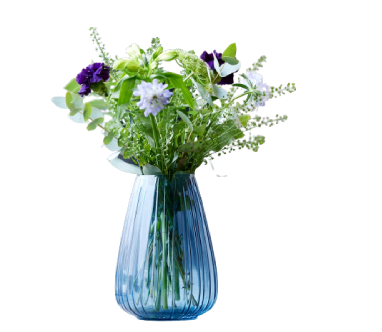
For a mixed bouquet, a BITZ vase is usually easiest to work with when it has a clear belly or a narrower neck. That gives the stems support so the bouquet holds together instead of falling outward. If you normally place just a few stems or a single flower, you can often look for a smaller opening. That helps the flowers stay upright and avoids a scattered look. Branches are different. They often call for a heavier, more stable feel, ideally with extra height, so the branches can sit well without pulling the vase off balance.
A practical rule of thumb is to choose a vase where the bouquet does not have to struggle to keep its shape. If you often buy bouquets with many stems, look for an opening that is not too wide. If you more often pick a few flowers at a time, a smaller opening gives you more control. When you compare products in the category, keep returning to these basics: opening, support and stability. They have a big impact on how easy the vase is to use.
Size and placement in the home
The right size is about proportions and where the vase will stand. A tall BITZ vase can create balance on a dining table, but it still needs to suit how close you sit and whether you want to be able to see each other across the table. On a sideboard, shelving unit or side table, it is often easier to choose a taller model, because it is less likely to be in the way in everyday life.
If the vase is meant for a windowsill, depth often matters more than height. A base that is too large can take up space from curtains and window handles. In that situation, a slimmer vase can be easier to fit in. In a hallway, a vase with a bit more weight can feel reassuring, especially if it stands somewhere it might be brushed by a coat or a bag.
Also consider whether the vase will mostly stand on its own, or whether you often group several items together. One large BITZ vase can create a calm focal point. Several smaller vases make it easier to distribute flowers and change the look from one time to the next.
Material, surface finish and colour when a BITZ Vase needs to fit in
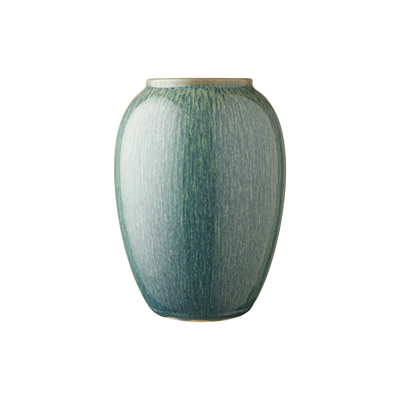
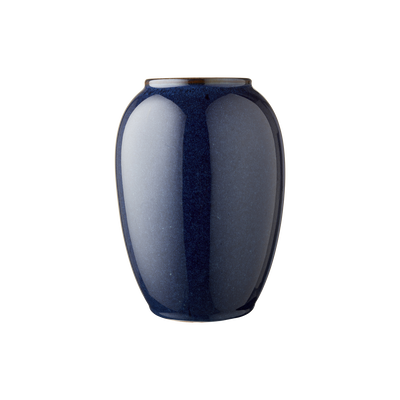
Many people choose a BITZ Vase based on colour and finish, because that is what you see day to day. A helpful starting point is deciding whether you want the vase to blend in with the rest of your items, or whether it can stand out a little. A calmer colour is often easy to live with throughout the year. A more distinctive colour can work as a fixed accent in the room, even when the vase stands without flowers.
The surface finish also affects the overall impression. A more matte, textured surface often feels toned down, while a smoother or shinier surface can look sharper and more defined, especially in daylight. If you regularly keep vases on display without bouquets, it can be worth choosing a finish you simply enjoy looking at on its own.
Finally, think about where the vase sits next to other materials. If it stands near glass, metal or wood, you can choose a colour that ties the tones together, or deliberately create contrast. If you are unsure, a neutral tone is often easy to combine, while a stronger colour choice tends to make most sense when you already have a recurring colour in textiles, ceramics or pictures.
Which shape suits your stems and your bouquet
Shape decides how the flowers distribute themselves. A rounder body can help a bouquet look fuller, while a more cylindrical vase can create a more upright expression. Neither is right or wrong. It simply suits different flowers and different ways of arranging.
If you like bouquets that sit close and gathered, look for a shape where the neck does not open too much. This can also help if you often use tulips or flowers that move a lot in the vase and quickly spread. If you prefer a lighter, airier look, an opening with a bit more space can make it easier to place the stems and spread them out.
For single branches or tall stems, it is often an advantage if the vase is either tall enough to support them, or heavy enough to stay stable. A simpler, upright shape can work well here because it gives direction. For low bouquets and cut flowers with short stems, a lower and wider shape can be more practical, so the flowers do not disappear down into the vase.
If you want to compare BITZ with other options and get a broader overview, you can explore the full selection of vases and see whether you tend to prefer cleaner shapes or softer lines.
Next options if you are considering a different look than BITZ Vases
BITZ Vases can be a good choice when you want a vase that can also stand out as part of the interior, even when it is not in use. Sometimes BITZ is not the best match for the rest of the home, or for the way you typically use flowers. If you want a lighter, more transparent expression, glass vases can be a natural alternative. They make it easy to keep the focus on the bouquet itself and the stems.
If you prefer a more classic and clearly defined design language, it can be useful to look at Lyngby vases. Here it is often the lines and the silhouette that carry the expression, which can suit you if you want a strict and recognisable look in the room.
If you want to go in a more robust and simple direction, Morsø vases can be a good place to orient yourself. They can work well if the vase needs to stand somewhere it is used often and moved around in everyday life.
If you are also browsing the rest of the smaller details for your home, you can continue to decor and interior and work towards a consistent look across materials and colours.
Frequently asked questions
How do I choose a BITZ vase for a mixed bouquet?
For mixed bouquets, it helps to look for a BITZ vase with a clear belly or a narrower neck, as this supports the stems. In everyday use, this means the bouquet is less likely to fall outwards and looks more gathered. In practice, you can narrow your options by comparing the opening and how much support the shape gives.
What should I look for if I usually arrange just a few stems or a single flower?
A smaller opening often works well when you only use a few stems, because it helps keep them upright. In practice, this makes it easier to avoid a scattered look and gives you more control over the arrangement. When browsing online, checking the opening size is a quick way to narrow down the most suitable choices.
Which BITZ vase shape is best for branches or tall stems?
Branches often suit a vase that feels heavier and more stable, ideally with extra height. In everyday use, this helps the branches sit well without pulling the vase off balance. A simpler, upright shape can also give the stems direction and make arranging feel more straightforward.
How do I decide on the right vase size for a dining table versus a sideboard?
On a dining table, a tall vase can look balanced, but you should consider whether it blocks your view when you are seated. In practice, this helps you choose a height that works for conversation and everyday meals. On a sideboard or shelving unit, it is often easier to use taller vases because they are less likely to be in the way.
What matters most when choosing a vase for a windowsill or hallway?
For a windowsill, depth can matter more than height, because a wide base may interfere with curtains or window handles. In practice, a slimmer vase is easier to place without taking up useful space. In a hallway, choosing a vase with a bit more weight can feel more stable if it might be brushed by coats or bags.
How should I choose between a calm colour and a more distinctive colour in a BITZ vase?
A calmer colour is often easier to live with throughout the year, while a more distinctive colour can act as a fixed accent even without flowers. In everyday use, this means you can decide whether you want the vase to blend in or stand out when it is on display. If you are unsure, a neutral tone is usually easier to combine with other materials nearby.
Does the surface finish make a difference to how a BITZ vase looks at home?
Yes, the finish affects the overall impression, with matte or textured surfaces looking more toned down and smoother or shinier surfaces appearing more defined in daylight. In practice, this helps you choose a look you enjoy even when the vase stands without a bouquet. Thinking about nearby materials like glass, metal, or wood can also guide whether you match tones or create contrast.
How can I compare BITZ vases with other styles if I want a different look?
If you want a lighter, more transparent expression, glass vases keep the focus on the bouquet and stems. In practice, looking at narrower options like Lyngby vases can suit a more strict, recognisable silhouette, while Morsø vases may fit a more robust, simple direction. This makes it easier to choose based on the overall feel you want in the room.