
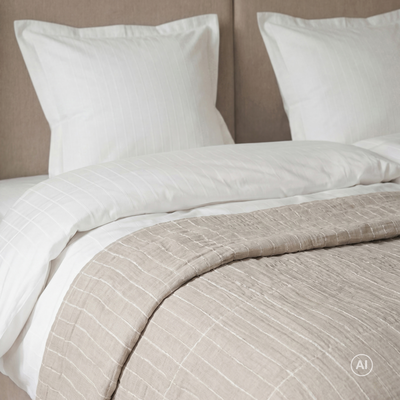
Home Textiles

Home textiles often make the difference between a room that feels unfinished and one that works well day to day. A simple way to start is to decide where the textile will be used: in the bedroom, on the sofa, on the floor, or on dining chairs. From there, it becomes easier to narrow down by size, material and how easy it is to keep looking neat. Some people prefer a smooth, cool feel, while others want something softer and warmer. Once the practical choices are in place, you can fine-tune the look with colour and texture. This category is organised so you can move from the broad need (sleeping, lounging, walking areas, seating comfort) to the specific product type, and then compare options based on fit, comfort and everyday use.
Home Textiles
23 Results
23 Results
23 Results
Filter

Brand

Colour

In stock online?

Price

Save 30%

Price € 31,46 Before € 44,95

Save 30%

Save 30%
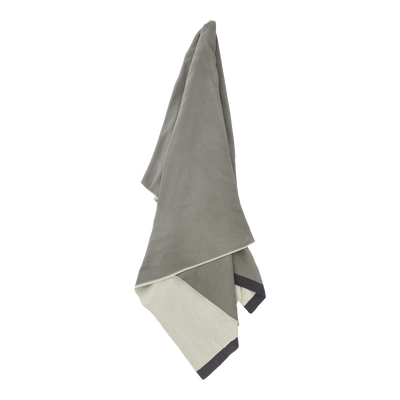
Price € 31,46 Before € 44,95

Save 30%

Price € 48,96 Before € 69,95

Save 30%

Price € 76,96 Before € 109,95

Save 30%

Price € 27,96 Before € 39,95

Save 30%

Price € 24,46 Before € 34,95

Save 30%

Price € 38,46 Before € 54,95

Start with where you’ll use it: bedroom, living room or dining area

Choosing home textiles is easier when you begin with the function. In the bedroom, it’s mainly about fit, how it feels against the skin, and how easy it is to make the bed look tidy. In the living room, texture and durability often matter more, because textiles tend to be used every day. Around the dining area, comfort and stability are typically more important than softness, since chair cushions need to stay in place and handle being moved in and out.

If you’re unsure where to begin, focus on one area at a time. Many people start with what you notice most in everyday life: bedding and sheets. After that, it can make sense to look at throws, cushions and rugs, which can change both the look and comfort of a room without changing the furniture.

Bedding and sheets: fit and feel make the difference

Bedding and sheets are used close to the body, so small differences are easy to notice. The most important decision is the size. Bedding should match your duvet and pillow, and the sheet should match both the mattress dimensions and the mattress height. Once the size is right, you can focus on the material and the feel you prefer.

A sheet should sit securely, without riding up at the corners. If you have a high topper mattress, it often makes sense to choose a type designed for extra height, so the sheet doesn’t feel too tight. With a standard mattress, a simpler fit may be enough. A practical rule of thumb is to measure the mattress height before choosing—especially if you’ve experienced sheets slipping off.

Bedding can feel very different depending on the weave and fibre. Some prefer a smooth, light feel, while others want a softer touch. If you tend to get warm at night, lighter and more airy-feeling materials can be more comfortable. If you often feel cold, a denser, warmer quality may help you feel more settled. It doesn’t need to be complicated, but it helps to consider temperature and skin feel before choosing colour and pattern.

If you already know what you need, you can go straight to bedding or sheets and compare sizes and materials there.

Throws, cushions and bedspreads: choosing layers and a finished look

Textiles for the sofa and bed often fall into three roles. A throw is the one you reach for when you want warmth or an extra layer. A cushion is mainly about support and shape, and it’s also an easy way to shift the look in a few minutes. A bedspread brings the bed together and can make it easier to create a calm overall impression, even when everyday life is busy.

Throws: for use or for display

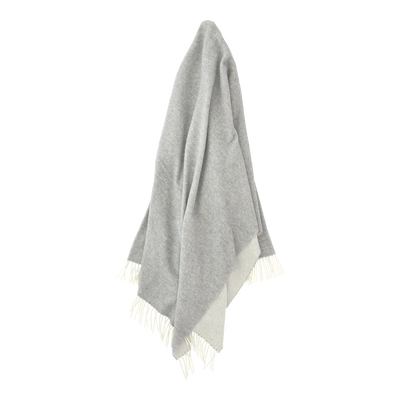
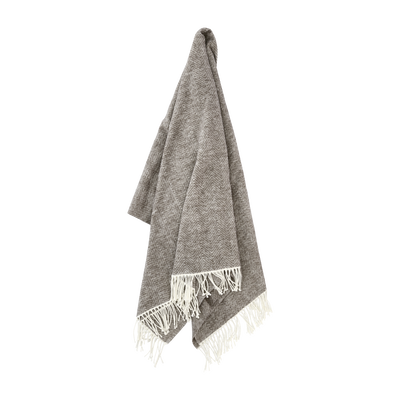
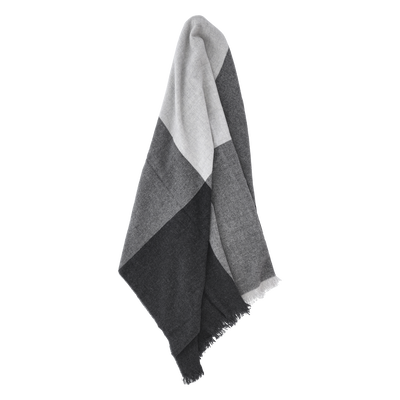
When choosing a throw, it helps to decide whether it will mostly be left out or used actively. For everyday use, it’s a benefit if it feels comfortable against the skin and is large enough to wrap around shoulders or legs. If you mainly want it as a decorative layer on the sofa, a more textured surface can work well, as it tends to hold its shape and look neat even when folded.

In the webshop, a practical approach is to start with the intended placement (sofa, armchair or bed), then compare size and surface feel. You’ll find the relevant options under throws and blankets.

Cushions: support, size and how the sofa is used

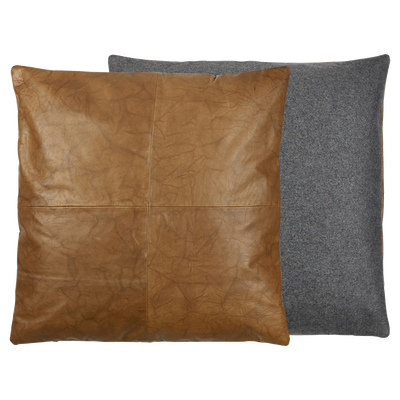
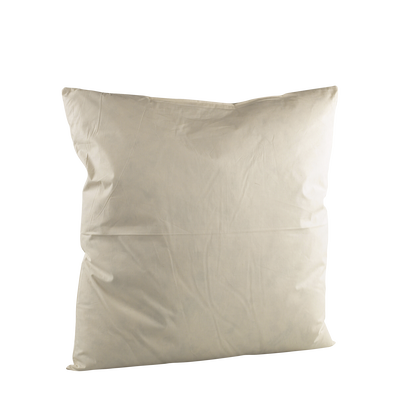
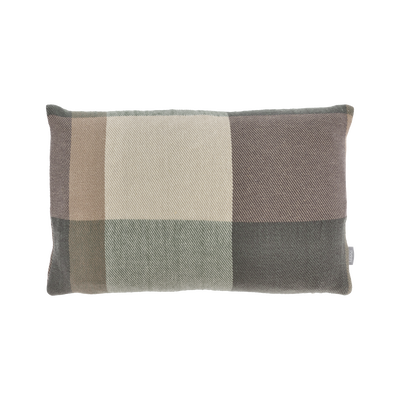
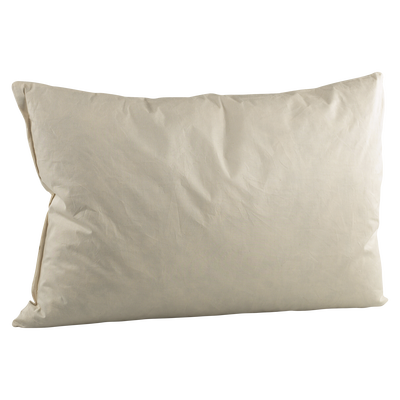
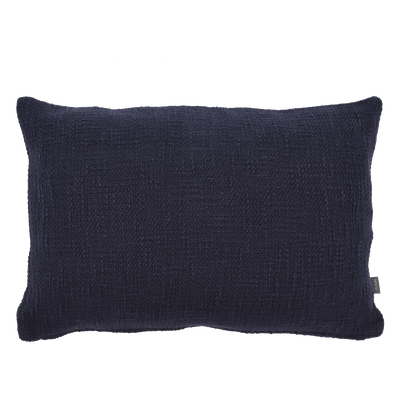
Cushions are often one of the simplest places to start if you want to adjust comfort. A firmer cushion can give better lower-back support, while a softer cushion is typically better for relaxing. It makes sense to think about where you sit the most. With a deep sofa, many people appreciate extra support, while a smaller sofa often works best with cushions that don’t take up too much space.

A quick, practical check is to measure the sofa depth and consider whether a cushion will push you forward if it becomes too large. When browsing online, this can help you narrow down the selection and compare shapes and sizes more confidently. You can explore the range of cushions when you want to adjust comfort or change the room’s expression in a simple way.

Bedspreads: size and drape

Bedspreads are often chosen based on size and how they fall over the bed. If you want the bedspread to cover all the way down, you’ll need measurements that match both the bed width and the drop you want along the sides. If the main goal is to bring the bed together visually, a simpler drape can be enough.

Either way, it helps to consider whether you want to be able to place it over pillows and duvet without it feeling heavy in everyday use. You can compare options under bedspreads if you want a more finished look that’s easy to maintain day to day.

Rugs: comfort, defining zones and everyday use

A rug does two things at once. It can make the floor more comfortable underfoot, and it can pull an area together so the furniture feels more clearly defined. That’s why size is often what decides whether a rug looks right in the room. A rug that’s too small can make furniture look scattered, while a larger rug can create a calmer impression by visually connecting sofa and table.

The surface also affects daily use. A low pile is typically easier if you want to vacuum quickly and if the room gets a lot of foot traffic. A higher pile can feel softer, but may need a bit more attention—especially if furniture leaves marks.

If the rug will sit under a dining table, it’s often practical to choose a surface where chairs can be slid in and out without catching. For hallways and high-traffic areas, it can be worth considering a more robust choice, since more dirt is often brought in from outside. In living rooms and bedrooms, it’s usually easier to prioritise comfort and texture.

One simple way to judge proportions is to mark the rug measurements on the floor with painter’s tape, so you can see the size before deciding. You can browse rugs here when you want to define a zone or make the floor more comfortable to walk on.

Chair cushions: the right height and the right support

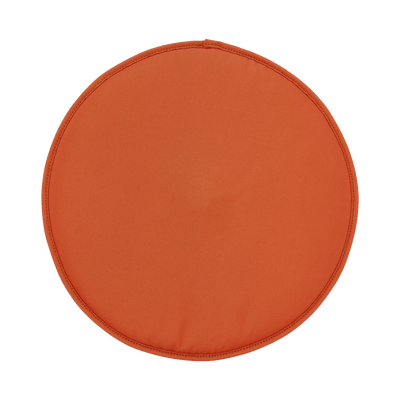
Chair cushions can be a good choice if you sit at the table for a long time, or if your chair looks great but feels a bit hard. The key differences are usually thickness and firmness. A thin cushion doesn’t change the seat height very much and may be enough if you simply want to soften the feel. A thicker cushion can add more comfort, but it can also raise your seating position, which changes how you sit relative to the table. That’s why it’s worth considering the table height and how the chair already fits it.

Shape matters too. Some chairs have rounded seats, while others are more square. A cushion that follows the seat shape tends to look better and feel more stable. Also consider whether the cushion needs to stay in place when the chair is moved in and out. If it shifts easily, a fastening solution can be helpful in everyday use—especially around the dining area where chairs are used frequently.

When browsing online, it can help to narrow your selection by seat shape first, then compare thickness and firmness to match how you prefer to sit. You’ll find the selection of chair cushions here when you want to improve comfort without changing chairs.

Finding a clear direction for your interior style

If you want a more cohesive look, it can help to choose a base and build from there. The base can be solid-colour textiles on the larger surfaces—for example a rug or bedspread—and then you can add patterns and contrasts through smaller items like cushions or a throw. If you do it the other way around and start with a bold pattern on a large surface, the rest is often harder to bring together.

It can also be useful to decide whether your textiles are mainly meant to be practical or decorative. In many homes it’s a mix, but choosing becomes simpler when you know what needs to handle the most daily use. Finally, it’s worth being honest about upkeep. If you prefer to keep things simple, choose textiles that suit the everyday life you actually have.

Navigate to related categories

If you want to see the broader context, you can move from home textiles to the wider Home Decor section, or go back to the full range on Kitchen Living Dining.

If you’re looking for items for other rooms, bathroom accessories or lighting are natural next places to browse. For children’s spaces, you can explore children. If you’re finishing the last details around the room, decor and interior often pairs well with new textiles.

If your textiles need to work with the rest of the room, it can also help to look at furniture. And if your focus is everyday routines and upkeep around the home, you can also browse home care and home gadgets for related categories.

Frequently asked questions

How do I choose home textiles for the bedroom, living room or dining area?

Start with the function: in the bedroom focus on fit and how it feels against the skin, in the living room prioritise texture and durability, and around the dining area favour comfort and stability so cushions stay in place. In everyday use, this means you pick items that suit how often they are used and how they need to perform, for example choosing sturdier fabrics for daily sofas and softer, well-fitting sheets for the bed.

How should I choose bedding and sheets?

Choose the correct size first so the bedding matches your duvet, pillows and mattress dimensions, then decide on the material and weave based on how it feels and your usual temperature preferences. In practice, measuring your mattress height before buying helps you avoid sheets that ride up or feel too tight, making the bed easier to make and more comfortable to sleep in.

How do I decide between throws, cushions and bedspreads?

Think of their roles: a throw is for extra warmth or a decorative layer, cushions provide support and shape, and a bedspread brings the bed together visually. In everyday use, this helps you choose items by purpose—for example pick a soft, large throw for regular use, a firmer cushion for back support, or a bedspread sized to give the drape you want.

What should I consider when choosing a throw?

Decide whether the throw will be used often or mainly displayed; for everyday use choose a comfortable size and feel, while for decoration a textured surface can hold shape when folded. In practice, this makes it easier to know if the throw will be comfortable to wrap around you or stay neat on the sofa.

How do I choose the right cushion size and firmness for my sofa?

Consider cushion firmness and sofa depth: firmer cushions give more lower-back support, softer cushions suit relaxing, and large cushions on a deep sofa can provide extra comfort while on a smaller sofa they may take up too much space. In everyday use, measuring sofa depth and thinking about where you sit most helps you pick a cushion that supports without pushing you forward.

What rug size and pile are best for different rooms?

Size often decides the look—too small can scatter furniture while a larger rug connects the area—while pile affects maintenance and comfort: low pile is easier to vacuum and suits high-traffic zones, higher pile feels softer but needs more attention. In practice, marking the rug measurements on the floor helps you judge proportions before buying and ensures chairs slide easily where needed, such as under dining tables.

How can I find the right items in the webshop?

Start with the intended placement or use, then narrow your selection by size, shape and surface feel to compare filtered choices such as bedding, cushions or throws. In everyday use, this makes it easier to compare the more specific selections that match your needs and speeds up choosing the right item for the room.