What is a pendant lamp?
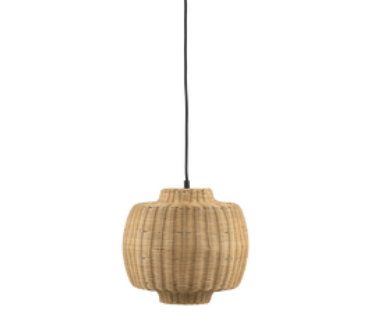
A pendant lamp is also known as a hanging lamp. It hangs from the ceiling and can be used throughout the home, including the living room, kitchen, entrance hall, hallway and bedroom.
Pendant lamps are often confused with ceiling lamps. The difference is that pendant lamps hang down, while ceiling lamps sit close to the ceiling.
How to choose a pendant lamp
A good place to start is with your own style and overall impression. When you choose a lamp that feels right in your home, it is often easier to be satisfied with the result over time. In this category, many people begin by looking at shape, colour, size and material, and then narrow the selection based on where the lamp will hang.
It is also important to choose a pendant lamp that suits its purpose in the room. Pendant lamps provide light in different ways, so it helps to consider function as well as appearance. Do you need direct light or more indirect light? Should the light be directed downwards, or should it spread in several directions? These are useful comparisons when browsing pendant lamps online.
You should also consider how many lamps you want. One pendant lamp creates a simple look, while two or more can create a more modern expression and more light. The right choice depends on the placement in the home and what you want the lamp to do there.
Tips for better lighting at home
Many homes mainly use lamps with downward-facing light. The result can be that a room feels darker, smaller and lower than it really is, because the light does not reach every corner or every surface. In most situations, it helps to combine different types of lamps and light sources in the same room.
Colours and materials also affect how light is experienced. Light surfaces reflect more light than dark ones, so rooms with dark walls or floors often need more light than rooms with lighter surroundings.
When choosing lighting, think about what the light will be used for. Task lighting requires a different lamp from softer lighting near the sofa. In some rooms, there is also a need for several kinds of lighting because the room serves more than one purpose.
When arranging lighting in a room, it is helpful to check it from different heights. That way, you can see whether the light is comfortable in everyday use and whether it causes glare.
Decorating with pendant lamps
Pendant lamps come in many shapes, colours, sizes and materials. A single lamp can stand on its own, but it can also be decorative to hang several together.
You might choose one pendant lamp above the dining table, coffee table, kitchen counter or in the entrance hall. You can also use two or more above a kitchen counter, dining table, in a hallway, in a corner of the living room or in the entrance area. They can be arranged in a straight line or offset, and at the same height or at different heights.
A practical way to choose is to begin with the room and placement, then compare whether you prefer a simple arrangement or a more varied look. Mixing pendant lamps in different colours or materials can give the room a more modern touch.
Pendant lamps can also be combined with other kinds of lighting to create a more balanced overall result. In the living room, for example, a pendant lamp can be complemented by a floor lamp or one of the table lamps in the wider lighting range.
Modern pendant lamps from Villa Collection Denmark
At Kitchen Living Dining, the selection includes modern pendant lamps from Villa Collection Denmark. The brand designs interior products with a crafted expression, with comfort and contemporary interiors as a clear focus.
These lamps are available in natural materials such as metal, rattan and cement, and the styles vary noticeably. Materials such as metal and cement give a raw look, while rattan adds a more natural, Scandinavian expression. You can compare materials directly in this category to find the look that fits your home best, or mix different lamps for a more varied expression.
Pendant lamps and other lighting at Kitchen Living Dining
When you browse pendant lamps, it often helps to see them as part of a wider lighting plan for the home. Appearance and function both matter, and the category is designed to help you compare lamps that provide useful light for the place where they will be used.
If you want to continue exploring, you can also view the full lighting selection or go back to home decor to see more interior categories.
Find lighting for the whole home
Lighting becomes especially important when natural daylight is limited. The way lamps and other light sources are used in the home affects how rooms feel and how they function in everyday life.
Kitchen Living Dining has lighting for different rooms and purposes, which makes it easier to move from broad choices to more specific ones. If you are comparing alternatives to pendant lamps, wall-mounted options can be found among the wall lamps.
Table lamps
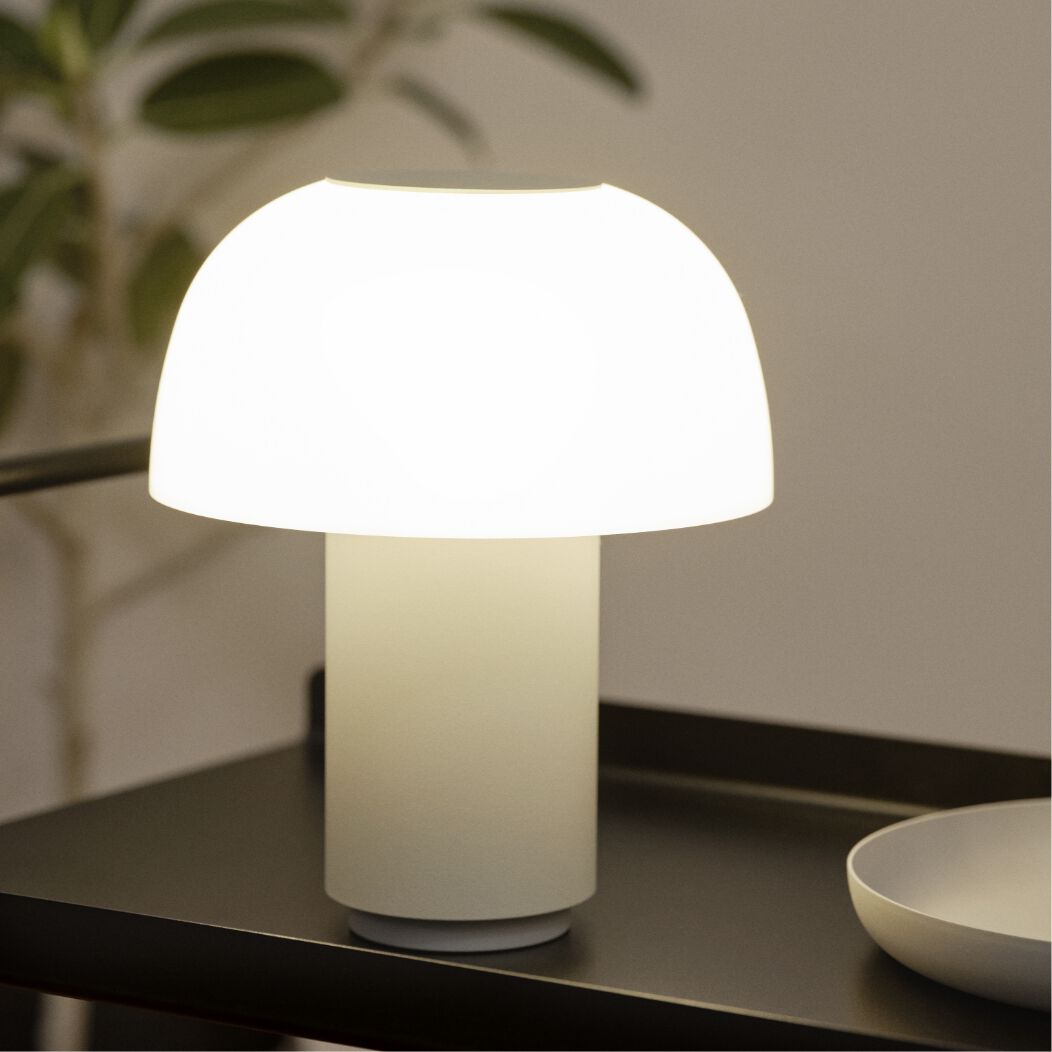
Table lamps are useful on bedside tables, on a table in the living room or on a table in the entrance hall. They are a natural choice if you want light at a lower level than a pendant lamp.
Floor lamps
Floor lamps make use of floor space while also helping to light the room. They are often chosen to complement pendant lighting and create a softer balance in the room.
LED lamps
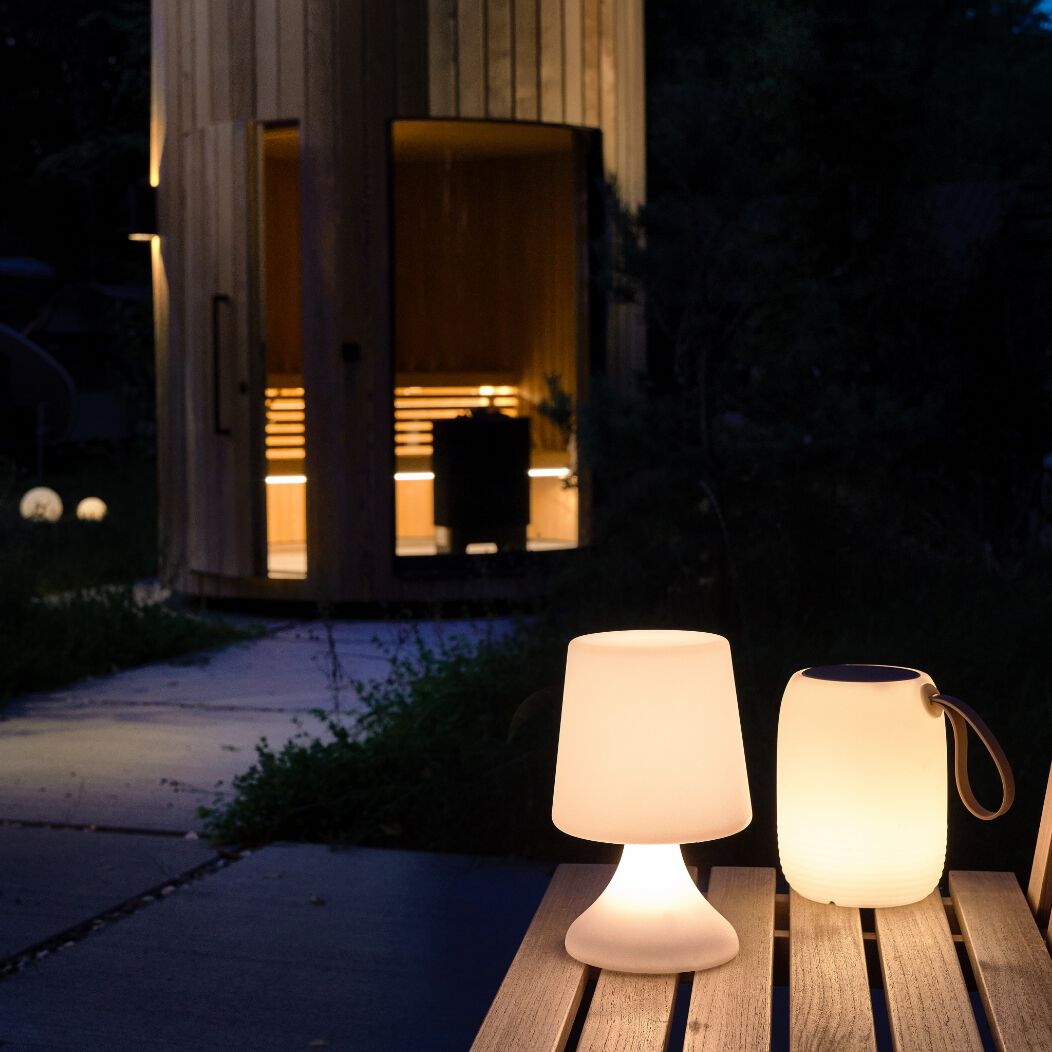
LED lamps provide a pleasant light, and some designs are easy to move around the home. If you are comparing lighting types, they can be a useful addition alongside pendant lamps.
String lights
String lights can be used throughout the year and bring a decorative form of lighting into the home. They are often explored as a softer alternative to more focused light from pendant lamps.
Candles
Candles add small points of light around the home and can be combined with pendant lamps and other lighting types when you want a more varied lighting setup.
Frequently asked questions
What is the difference between a pendant lamp and a ceiling lamp?
A pendant lamp hangs down from the ceiling, while a ceiling lamp sits close to the ceiling. In everyday use, this means a pendant lamp becomes more visible in the room and can help direct light lower into the space.
How do I choose the right pendant lamp for my home?
A practical place to start is with your style, then compare shape, colour, size and material. In practice, this helps you narrow your filtered choices based on where the lamp will hang and what kind of impression you want in the room.
What should I consider about the light from a pendant lamp?
Pendant lamps provide light in different ways, so it helps to think about whether you need direct or indirect light and whether the light should point downwards or spread more widely. This makes it easier to choose a lamp that suits how the room is used in everyday life.
Should I choose one pendant lamp or several?
One pendant lamp creates a simpler look, while two or more can create a more modern expression and add more light. In everyday use, this means the right number depends on where the lamps will hang and what you need them to do in that space.
Where can pendant lamps be used in the home?
Pendant lamps can be used in rooms such as the living room, kitchen, bedroom, hallway and entrance hall. In practice, this helps you use them both for focused lighting above areas like a dining table or kitchen counter and as part of the overall lighting in a room.
Why can a room still feel dark even if I have pendant lighting?
If most of the light in a room points downwards, some corners and surfaces may stay dim. In everyday use, this means the room can feel smaller or lower, so it often helps to combine pendant lamps with other light sources at different levels.
How can I arrange pendant lamps above a table or counter?
You can use one pendant lamp on its own or hang two or more together above a dining table, coffee table or kitchen counter. This makes it easier to create either a simple arrangement in a straight line or a more varied look by offsetting the lamps or hanging them at different heights.
Can pendant lamps be combined with other types of lighting?
Yes, pendant lamps can be combined with lighting such as floor lamps, table lamps, wall lamps or other softer light sources. In practice, this helps you create a more balanced lighting setup, especially in rooms that need both functional light and a softer atmosphere.