
What is a baking mat?
A baking mat is a flexible, reusable mat made from silicone or another non-stick material. Silicone is a durable and flexible material, which is why it is a popular choice for baking mats. A baking mat can be used in several ways when you bake, and many people use it as an alternative to disposable baking paper.
On a webshop page like this, it is often easiest to start with the basic choice of what you want the mat to help with. Some use a baking mat mainly for oven baking, while others need it for kneading dough, rolling it out evenly, or protecting the oven from drips and splashes. Once you know how you plan to use it, it becomes easier to compare the different options in the category.
Reusable baking paper. A practical solution for baking mats
With a baking mat, you get a reusable and practical tool that can be used again and again. For everyday baking, this gives you a reliable surface that is ready when you need it. Instead of using a new sheet of baking paper each time, you can keep one mat for repeated use in the kitchen.
A baking mat can be used for oven baking, homemade sweets, and storage in the freezer. The durable silicone surface helps baked goods release more easily and keeps cleaning to a minimum. It can also be placed on a lower oven rack to help catch drips and splashes. It should not be placed directly on the bottom of the oven.
After use, the mat can simply be washed by hand or in the dishwasher, so it is ready for the next baking project. This also helps reduce waste in the kitchen. If you are comparing products on the page, it is useful to look at whether you want a mat mainly for baking trays, for dough work on the countertop, or for more varied use across baking and freezer storage.
How to choose the right baking mat
When choosing a baking mat, it helps to look at size, material, and intended use. These are usually the main differences that matter when comparing products in this category.
Material: Silicone is a common choice because it is durable and easy to clean. If you need a mat that can handle oven use, always check the product specifications.
Size: Think about whether you need a smaller mat for smaller bakes or a larger model for bread and pizza dough. Some baking mats are extra wide and fit large baking trays well.
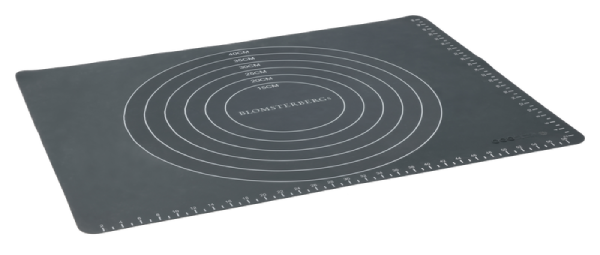
Features: Baking mats with printed measurements are useful when you want to roll and cut dough more precisely, for example for tart bases, pizza bases, or ring-shaped bakes.
A practical way to choose is to move from broad needs to more specific details. First, decide where you will use the mat most often: on the worktop, on a baking tray, or in the oven as protection against drips. Then compare size and any printed guides. That makes it easier to narrow down the range without overcomplicating the choice.
What can you use a baking mat for?
A baking mat is a practical and versatile tool with several uses. Whether you are just getting started or already bake regularly, it can help make different tasks easier and tidier.
Non-slip surface for dough work: Baking mats stay in place on the table when you knead or roll out dough. The dough does not stick as easily, and you avoid cleaning a flour-dusted worktop afterwards.
Alternative to baking paper: A baking mat can be placed on a baking tray with ingredients on top and used in the oven instead of baking paper.
Useful in the oven: The mat can be placed on a rack at the bottom of the oven to help protect against drips and splashes. It should never be placed directly on the oven floor.
For homemade sweets: Some baking mats can also be used when gathering, kneading, and shaping warm sweet mixtures or making lollipops.
Useful in the freezer: If baked goods need to be frozen, a baking mat can be used as a cold-resistant base. As with oven use, it is important to check the individual product specifications.
In everyday use, this means a baking mat can support everything from crisp biscuits and bread to more precise baking such as tarts and pizza bases. The non-stick surface helps the finished bake release more easily and usually leaves less to clean up afterwards. Before first use, it is recommended to wash the mat.
3 practical tips for using baking mats
1. When rolling out dough, you often do not need to add extra flour because the silicone surface helps prevent sticking.
2. A baking mat can be useful as a base when making homemade sweets or lollipops, as it can handle heat.
3. If you place the mat low in the oven to catch drips and dirt, remember to check the manufacturer's recommendations first.
Blomsterbergs baking mats. Focus on function and detail
Blomsterbergs baking mats combine practical use with a clear focus on detail. Kitchenware for baking often works best when each tool supports a specific task, and that is also the idea behind baking mats from baking tools collections such as Blomsterbergs.
Why choose a baking mat from Mette Blomsterberg?
Printed measurements: Blomsterbergs baking mats include printed measurements that help you roll dough out more precisely for pizza bases, tart bases, and ring-shaped bakes.
Non-stick surface: The silicone-based surface helps prevent dough from sticking and makes the mat easier to clean after use.
Flexible and durable: The mat can be used repeatedly without losing its shape or function.
Versatile use: It can be used for biscuits, sugar work, and for helping protect the oven area from drips.
If you compare baking mats within the category, these kinds of features can help you decide whether you need a simple reusable mat or a model with measurement guides for more precise work.
Build your baking setup with matching tools
Baking mats are often part of a broader selection process. If you are planning what else you need, you can continue from this category to other baking essentials. For cake baking, it is natural to look at cake pans, while smaller portions can be made in muffin pans. For tarts and similar bakes, flan and quiche dishes are a relevant next step.
If you typically work with dough from scratch, it can also help to compare rolling pins, dough scrapers, and mixing bowls. For more accurate measuring before baking, you can pair your mat with kitchen scales.
If your baking projects are more decorative, you may also want to explore pastry bags, cookie cutters, and chocolate moulds. For cold preparations, ice moulds can also be relevant, and if you want to browse more widely, you can continue to other baking tools.
This makes the category useful not only when you know exactly what you want, but also when you are narrowing down your options step by step. You can start with the mat itself, compare sizes and features, and then move on to the related tools that fit the kind of baking you do most often.
Frequently asked questions
What is a baking mat used for?
A baking mat is used as a reusable non-stick surface for baking, dough work and, in some cases, freezer use. In everyday use, this means that you can place it on a baking tray instead of baking paper, use it for rolling out dough, or put it on a lower oven rack to help catch drips.
How do I choose the right baking mat?
It helps to compare the mat's size, material and intended use. In practice, this helps you decide whether you need a mat for a baking tray, a larger surface for bread or pizza dough, or a model with printed measurements for more precise baking.
Can I use a baking mat instead of baking paper?
Yes, a baking mat can be used on a baking tray as an alternative to baking paper. In everyday use, this means that you can keep one reusable mat ready for repeated baking instead of using a fresh sheet each time.
Can a baking mat go directly on the bottom of the oven?
No, the category content states that a baking mat should not be placed directly on the oven floor. In practice, this helps you use it more safely by placing it on a lower oven rack instead if you want it to catch drips and splashes.
Are printed measurements on a baking mat useful?
Printed measurements can be useful if you want to roll out dough more evenly and cut it more precisely. This makes it easier to prepare pizza bases, tart bases and ring-shaped bakes without needing to measure the dough separately on the worktop.
How do I clean a baking mat?
After use, a baking mat can be washed by hand or in the dishwasher. In everyday use, this means that cleaning is usually straightforward and the mat can be prepared again for your next baking project.
Can I use a baking mat for dough on the worktop?
Yes, baking mats can be used on the worktop for kneading and rolling out dough. In practice, this helps you work on a non-slip surface where dough is less likely to stick, so there is often less mess to clean afterwards.
What should I look at first when comparing baking mats online?
A practical starting point is to decide where you will use the mat most often, such as on the worktop, on a baking tray or in the oven to catch drips. This makes it easier to narrow down the filtered choices by size and features, rather than comparing every option in the same way.