
Which chocolate mould should I choose?
Chocolate moulds are available in both soft silicone and hard plastic. If you are unsure which type to choose, a practical way to decide is to look at your experience level and the finish you want from your chocolates.
If you are new to chocolate work, a soft silicone mould can be a helpful place to start. They are typically easier to work with because the chocolate is easier to remove, even if it has not been tempered correctly. Silicone moulds are also easy to clean with warm water and soap, and they can be used in both the freezer and the oven.
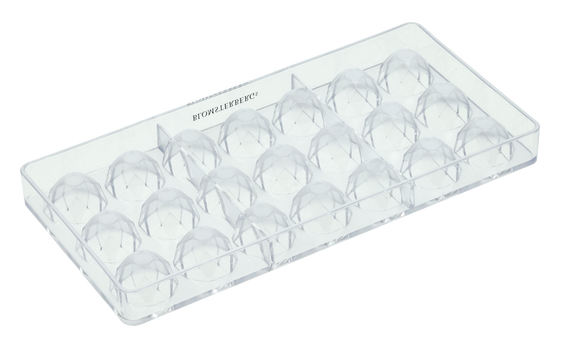
A mould in hard plastic is often better suited to more experienced users. These moulds make it possible to create chocolates with a sharper, cleaner finish. A hard mould requires the chocolate to be tempered. Otherwise, it can be difficult to release the chocolates from the mould.
When browsing Chocolate Moulds, many people begin by choosing the shape they want to make and then narrow the selection by material. That makes it easier to compare moulds based on how easy they are to use and what kind of result they support. If you want simple handling, silicone can be a straightforward choice. If you are aiming for a more defined shape, hard plastic may be the better option.
The category also helps you compare common shape types. Some users look for hearts for seasonal chocolates, while others prefer half-spheres, squares or diamond shapes. Moving from shape to material is often the easiest way to find a mould that suits both the chocolate style you want and the process you are comfortable with.
Why should I temper my chocolate?
Tempering is what makes the difference when you want to serve beautiful, glossy chocolates with the familiar snap. But tempering chocolate is not the same as simply melting it.
Tempering takes longer than melting, but it makes the chocolate easier to work with and gives it properties that have a clear effect on the finished result. For most situations, this is one of the key things to understand before choosing between different mould types, because the mould and the chocolate process work closely together.
Melted chocolate that has not been tempered can turn greyish and greasy. It also takes longer to set when cooled and can be more difficult to remove from the moulds afterwards. Tempered chocolate, by contrast, gives a fine glossy surface and a clean snap when you bite into the filled chocolates.
During tempering, you work with the fat crystals in the cocoa butter. If the chocolate gets too hot, some of its useful properties are lost. It is also important to remember that there is a difference between working with white, milk and dark chocolate. If you are choosing a hard plastic mould, this matters even more, because correct tempering has a direct impact on how easily the chocolates release and how neat the surface becomes.
In everyday use, this is why many shoppers compare mould material and chocolate technique together rather than as separate choices. A silicone mould can be more forgiving if you are still learning. A hard plastic mould can give a more precise result, but it also places higher demands on the chocolate.
How this category helps you choose
On a webshop, chocolate moulds are often explored by starting with the broad purpose and then refining the details. Some visitors come here already knowing they want to make filled chocolates for a holiday or special occasion. Others begin more broadly in kitchenware and then continue into baking tools before comparing moulds more closely.
Once you are in the category, it is easier to move from one decision to the next. First, choose the shape you want. Then compare silicone and hard plastic. Finally, think about which other tools you may want to use alongside your moulds when preparing, measuring or finishing your chocolates and other sweet baking projects.
If you are building a broader baking setup, related categories can help you continue in a logical way. For measured ingredients, kitchen scales are a useful next step. For mixing fillings or other preparations, you can also look at mixing bowls. If you need tools for portioning or shaping, pastry bags and dough scrapers are other categories to compare.
Many users also browse nearby baking categories when deciding what else belongs in their collection. Depending on what you make alongside chocolates, you may also want to explore baking mats, cake pans, muffin pans or flan and quiche dishes. For shaped dough and decoration work, cookie cutters and rolling pins are relevant alternatives.
Some shoppers also compare mould categories across different uses. If you are looking at shape-focused tools beyond chocolate work, ice moulds may also be of interest. If you want to see a wider selection of utensils for sweet kitchen tasks, you can continue to other baking tools.
Find baking tools for your sweet kitchen
The right equipment often makes a clear difference when you want to make neat chocolates, cakes and carefully finished desserts. Chocolate moulds are one part of that process, and this category is designed to help you compare the options based on material, shape and the way you prefer to work.
For some, the simplest route is to start with an easy silicone mould and then add the surrounding tools needed for mixing and measuring. Others know from the start that they want the sharper result of hard plastic and are choosing with tempering in mind. In both cases, moving between related categories makes it easier to narrow the selection step by step instead of trying to choose everything at once.
Whether you are focusing only on Chocolate Moulds or comparing across the wider baking range, the category structure helps you move from broad browsing to specific decisions. That makes it easier to find the tools that match your process, your preferred shapes and the results you want to achieve.
Frequently asked questions
Should I choose a silicone or hard plastic chocolate mould?
If you are new to making chocolates, silicone moulds are often easier to handle because the chocolate is simpler to remove, even if it has not been tempered correctly. Hard plastic moulds are often better for more experienced users who want a sharper finish. In everyday use, this means silicone can feel more forgiving, while hard plastic usually needs more precise chocolate work.
Why does tempering matter when using chocolate moulds?
Tempering helps chocolate set with a glossy surface and a clean snap, rather than turning dull or greasy. It also affects how easily the chocolates release from the mould. In practice, this helps you get a neater result, especially when using hard plastic moulds.
Can I use a chocolate mould if my chocolate is only melted and not tempered?
You can use a mould with melted chocolate, but the result may be less consistent. Chocolate that has not been tempered can take longer to set, may look greyish or greasy, and can be harder to remove afterwards. In everyday use, this means release and finish are usually more reliable when the chocolate has been tempered.
Are silicone chocolate moulds easier to clean and use?
Silicone moulds are described as easier to work with, especially for beginners, because the chocolate is easier to remove. They are also easy to clean with warm water and soap, and they can be used in both the freezer and the oven. This makes them a practical option if you want simpler handling in everyday baking.
How should I choose the right shape of chocolate mould?
Many people start by choosing the shape they want to make, such as hearts, half-spheres, squares or diamond shapes. After that, it becomes easier to compare the material based on how easy it is to use and what kind of finish it gives. In practice, this helps you narrow your filtered choices in a clear order.
What is the main benefit of a hard plastic chocolate mould?
A hard plastic mould can give chocolates a sharper and cleaner finish than a softer mould. It is best suited to chocolate that has been tempered correctly, because that improves release and surface definition. This makes it easier to achieve a more precise result when your technique is already more confident.
How can I narrow my options when shopping for chocolate moulds online?
A practical approach is to begin with the broad purpose, then choose the shape you want, and then compare silicone with hard plastic. After that, you can look at other baking tools you may need for measuring, mixing or finishing. In everyday use, this means you can move from broad browsing to narrower options step by step.
What other baking tools are useful alongside chocolate moulds?
The category content highlights kitchen scales for measured ingredients, mixing bowls for fillings and preparations, and pastry bags or dough scrapers for portioning and shaping. These tools support the chocolate-making process rather than replacing the mould itself. In practice, this helps you build a setup that matches the way you prepare and finish your chocolates.