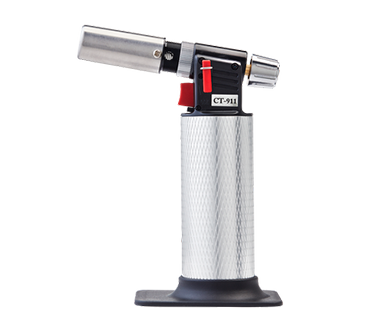
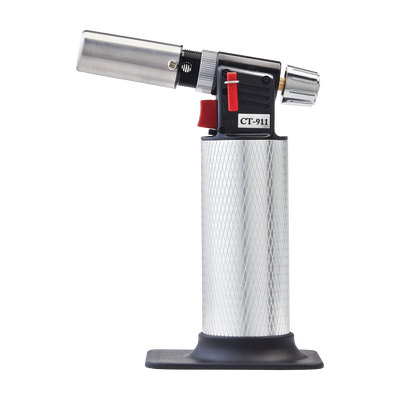
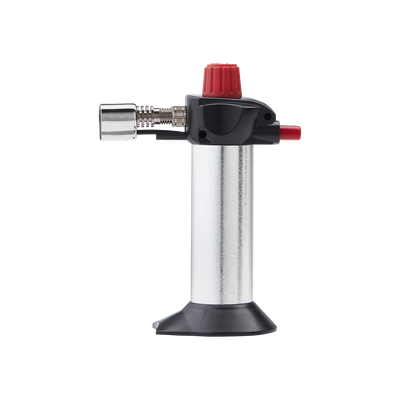
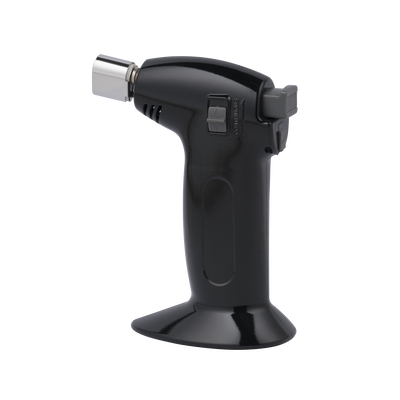
What is a kitchen torch?
There are several types of gas torch, including versions for the garden, the grill and the kitchen. On this page, you will find the type designed for kitchen use. With a turn of the screw and a press of the button, the intense, adjustable flame lights and can sear food or caramelise sugar in seconds.
Kitchen torches have been used by professional chefs for decades, but over the years they have also become a familiar tool in home kitchens. The reason is simple: they make it easy to add a finished surface exactly where you want it. If you are browsing this category, a practical way to choose is to start with the kind of task you have in mind, then compare the models available here for everyday kitchen use.
If you are exploring the wider range first, you can also view all baking tools or browse other baking tools to see how kitchen torches fit into the broader selection.
What can you use a kitchen torch for?
Kitchen torches are suited to a range of cooking tasks where strong, direct heat is useful. They are often chosen for finishing rather than long cooking, and that is also a helpful way to think when comparing products in this category.
Caramelising sugar: Under the flame, it is quick and effective to caramelise the surface of a crème brûlée or the top of a meringue. If this is your main reason for looking at kitchen torches, this category helps you focus on tools made specifically for that kind of controlled kitchen task.
Lighting alcohol for flambéing: An alcohol-based sauce can be ignited easily with a kitchen torch, creating a large flame in pans and pots. For users who want a kitchen torch for cooking rather than baking alone, this is one of the clearest uses to keep in mind when comparing options.
Quick searing of fish: Fresh fish is often served raw, but the outside of tuna or salmon can also be quickly seared for a different finish. In everyday use, this shows how a kitchen torch can be used for precise heat on the surface without changing the rest too much.
These uses also explain how many shoppers move through the category. Some start with desserts such as crème brûlée, while others are looking for a torch for savoury dishes or flambéing. By thinking about which of these jobs matters most to you, it becomes easier to narrow down the selection.
How to use a kitchen torch for food
Using a kitchen torch for cooking is fairly simple, but there are two important points to keep in mind.
First, you rarely need to use the torch for long. The flame is very hot, so food can burn quickly and affect the whole dish. For most situations, short bursts are enough to get the result you want, whether that is a caramelised top or a lightly seared surface.
Second, always follow the manufacturer’s instructions. A kitchen torch uses a hot flame, so correct handling matters. If you are comparing products on this page, it helps to remember that the torch is a finishing tool and should be used with care.
This is also where the webshop structure is useful. Instead of looking at kitchen torches as a broad idea, you can compare the models gathered in one place and relate them to the type of cooking or baking you do most often. That makes it easier to move from a general need to a more specific choice.
How hot does a kitchen torch get?
Kitchen torches can reach very high temperatures, typically up to 1,300 to 1,500 degrees. That is what makes them so effective for creating a quickly seared or caramelised surface.
When users compare products in this category, this point helps explain why a kitchen torch is different from many other baking and kitchen tools. It is designed for intense, direct heat and for tasks where speed matters. In everyday cooking, that can mean finishing a dessert, searing the outside of fish or preparing a flambé without needing long exposure to heat.
Because the heat is so strong, many shoppers prefer to think in terms of application rather than broad performance. If you mainly want to caramelise sugar, that is one route through the category. If you more often prepare savoury dishes, that is another. The category supports this kind of comparison by collecting kitchen torches intended for the same general purpose and making it easier to weigh one option against another.
Which gas should you use for a kitchen torch?
You can refill a kitchen torch with standard butane lighter gas. This is the type mentioned for these torches and is widely available in supermarkets. For shoppers comparing kitchen torches, this is a practical detail because it shows that the torch is designed to be refilled and used again over time.
If you are choosing your first kitchen torch, it can help to think about how often you expect to use it. Some people mainly bring it out for desserts, while others want it available for several finishing tasks in both cooking and baking. Either way, the category makes it easier to compare kitchen torches as dedicated kitchen tools rather than general-purpose gas torches.
Kitchen torches for cooking and baking at Kitchen Living Dining
Whether you want to try caramelising, quick searing, flambéing or another finishing technique, a kitchen torch can be a useful tool to have on hand. It can give crème brûlée its characteristic surface and add a quick seared finish to fish. On this page, you can compare kitchen torches with those uses in mind and choose according to the kind of results you want to achieve in the kitchen.
If you are building out your baking setup at the same time, it can be useful to continue into related categories. Alongside a kitchen torch, you may also want to look at pastry and basting brushes, proofing baskets or cake foil. These categories are useful next steps when you want to move from one specific tool to a broader baking selection.
Kitchen torches sit in a focused part of the webshop, which helps when you want to compare tools by purpose. You can start broadly with baking tools, narrow down to other baking tools, and then look specifically at kitchen torches. This kind of category path makes it easier to shop step by step, especially if you are still deciding which finishing and baking tools belong in your kitchen.
Frequently asked questions
What is a kitchen torch used for?
A kitchen torch is used for finishing food with strong, direct heat. It is commonly used to caramelise sugar, light alcohol for flambéing and quickly sear the surface of fish. In everyday use, this means that you use it for short, precise tasks rather than for longer cooking.
Can you use a kitchen torch for crème brûlée and meringue?
Yes, a kitchen torch is often used to caramelise the sugar on crème brûlée or brown the top of a meringue. The flame works quickly on the surface, which helps you control the finish without heating the whole dessert too much. In practice, this helps you create a caramelised top in a short time.
Can a kitchen torch be used for savoury food as well as desserts?
Yes, a kitchen torch can be used for savoury dishes as well as sweet ones. The category content mentions quick searing of fish such as tuna or salmon and lighting alcohol for flambéing. This makes it easier to see that a kitchen torch is not only for baking, but also for cooking tasks where precise surface heat is useful.
How do you use a kitchen torch safely on food?
Use the flame in short bursts rather than holding it in one place for too long, because food can burn quickly. You should also follow the manufacturer’s instructions whenever you use the torch. In everyday use, this means working carefully and treating the torch as a finishing tool rather than a general cooking flame.
How hot does a kitchen torch get?
A kitchen torch can typically reach temperatures of around 1,300 to 1,500 degrees. That high heat is what makes it effective for caramelising sugar or quickly searing the outside of food. In practice, this helps you get a finished surface fast, with only brief exposure to the flame.
Which gas do you use to refill a kitchen torch?
A kitchen torch can be refilled with standard butane lighter gas. The category content explains that this is the type used for these torches and that it is widely available in supermarkets. This makes it easier to understand that the torch is designed for repeated use rather than being a one-time tool.
How do I choose the right kitchen torch for my needs?
A practical way to choose is to start with the task you want to do most often, such as caramelising sugar, flambéing or quick searing. The content suggests comparing models based on everyday kitchen use rather than thinking about gas torches in general. In practice, this helps you focus on narrower options that match how you cook or bake.
How can I narrow down kitchen torches when browsing online?
It helps to think first about the kind of result you want, then compare the kitchen torches collected in one place. The category content explains that some people start with desserts, while others are looking for a torch for savoury cooking or flambéing. This makes it easier to move from a general idea to more specific selections that fit your usual kitchen tasks.