Create perfect milk foam for coffee with a milk frother
If you enjoy coffee with soft, airy milk foam, a milk frother gives you a simple way to prepare it at home. The light texture of frothed milk changes both the look and feel of coffee, whether you prefer cappuccino, café latte or other coffee drinks with milk. On this page, you can compare different types of milk frothers and see which solution fits your routine best.
When browsing the category, a practical way to choose is to start with how involved you want the process to be. Some prefer a quick, simple tool that can be used in moments, while others want a machine that handles more of the work. This difference makes it easier to narrow the selection and compare the models that are most relevant for your coffee habits.
Handheld electric milk frother
A handheld milk frother is a good choice if you value simplicity. It is battery-operated and easy to keep close at hand in the kitchen when you want to make milk foam quickly. With the press of a button, it whisks the milk into rich, airy foam, which makes it well suited to a quick cappuccino or café latte at home.
For many people, the main advantage is that the handheld version is straightforward to use and easy to clean. If you typically want a simple tool for occasional coffee making, this type can be a helpful place to start when exploring the category. It lets you focus on the basic function of frothing milk without moving to a larger machine.
Milk frothing machine
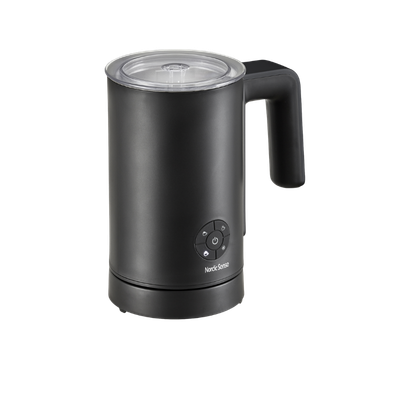
If you are looking for a solution that gives you the best possible result with minimal effort, a milk frothing machine may be the better fit. These electric models can heat and froth milk quickly and efficiently, and some have an adjustable temperature setting. This gives you a more automatic way to prepare milk foam when you want a consistent result.
For most situations, this type is useful if you plan to use your milk frother regularly and want a solution that does more of the work for you. When comparing products on the page, this is often the main distinction: a handheld model gives you a simple manual-style approach, while an electric frothing machine offers a more automatic process.
If you are still comparing broader options for your coffee setup, you can also browse the wider selection of kitchen appliances or go directly to the full category of coffee machines. If you are looking for complementary products, you can also explore accessories for coffee makers.
Guide: What to know before frothing milk for coffee
Using a manual or automatic milk frother is simple, but getting the result you want depends on a few practical choices. Below, you can see the key differences in use, the types of milk that can be frothed, and what to consider before choosing between the available options.
How do you froth milk, and should you choose a manual or automatic solution?
If you use an automatic milk frother, you simply pour the milk into the container, set the temperature and press the button. This is the easiest option if you want the process to be handled for you.
With a manual milk frother, you froth the milk yourself. If you want warm milk foam, the milk needs to be heated first. When deciding between the two, it helps to think about whether you prefer a more hands-on method or a more automatic one.
Can you froth milk without a milk frother?
Yes, you can, but it is clearly easier to get a good and even result with a milk frother. Without one, alternatives include using a whisk or shaking the milk in a closed container. For most people, the category is helpful because it gathers the dedicated tools in one place, making it easier to compare products designed specifically for this task instead of relying on improvised methods.
Which milk is best for milk foam?
Traditionally, cow's milk with a high fat content has been one of the most common choices for milk foam. It is widely used because it tastes good and is easier to keep stable for longer.
At the same time, many people now use plant-based alternatives. With barista versions of soy, oat and almond drinks, it is also possible to achieve good results when frothing plant-based drinks. If you are browsing milk frothers with this in mind, it can be useful to compare the different product types based on whether you want a simple frothing tool or a more automatic machine for regular use.
How do you make perfect milk foam?
The right milk foam depends on the coffee you want to make. If you need warm foam for cappuccino or café latte, the milk should be heated to 65 degrees Celsius before it is frothed. This helps the foam stay stable for as long as possible. When exploring the category, this can help you decide whether you need a frother that only whisks the milk or a machine that can also heat it.
How to choose the right milk frother
A practical way to choose is to think about how often you expect to use it. Will the milk frother mainly be taken out when you have guests, or is it intended for daily use? This question quickly helps you move from the full category to the types of products that make the most sense for you.
If you only need a simple solution from time to time, a handheld model may be enough. If you expect to froth milk often and want a more convenient routine, an electric milk frothing machine may be easier to use in everyday life. On a webshop page like this, comparing products by frequency of use is often the clearest route from a broad category view to a more precise selection.
Cleaning a milk frother
A handheld electric milk frother is very easy to clean, but it should be washed by hand. Place the frother in soapy water and press the button, then remember to rinse off any soap afterwards.
An electric milk frother with a jug should also be washed by hand with soap and water. Careful cleaning matters, as old milk can quickly develop an unpleasant smell. If easy maintenance is important to you, cleaning can be a useful point of comparison when choosing between the simpler handheld design and the larger electric format.
Milk foam is a simple way to change the texture of coffee at home, and the category helps you compare the options clearly. By looking at how much effort you want to put in, whether you need heating as well as frothing, and how often you plan to use the product, it becomes easier to find the right direction within the range of milk frothers.
Milk Frothers at Kitchen Living Dining
At Kitchen Living Dining, this category gives you an overview of milk frothing solutions for different coffee routines. Some are designed for quick, simple frothing, while others combine heating and frothing in one machine. By moving from broad product types to the details that matter in daily use, you can compare the range more easily and choose the option that suits your coffee preferences best.
Frequently asked questions
What is the difference between a handheld milk frother and a milk frothing machine?
A handheld milk frother is a small battery-operated tool that quickly whisks milk into foam, while a milk frothing machine is an electric appliance that can froth and often heat the milk as well. In everyday use, this means that a handheld model suits a simple, hands-on routine, while a machine gives you a more automatic process with less effort.
How do I choose the right milk frother for my routine?
A practical way to choose is to think about how often you expect to use it and how involved you want the process to be. In practice, this helps you narrow your options between a simple handheld frother for occasional use and an electric machine for more regular coffee making.
Can I froth milk without using a milk frother?
Yes, it is possible to froth milk without a dedicated frother by using a whisk or by shaking milk in a closed container. In practice, this means you can make milk foam without special equipment, but a milk frother is designed to give a more even and consistent result.
Which milk works best for milk foam?
Traditionally, cow's milk with a high fat content has been a common choice because it is easier to keep stable for longer. In everyday use, this means it is often a reliable option, but barista versions of soy, oat and almond drinks can also give good results when frothed.
What temperature should milk be for good milk foam?
If you want warm milk foam for drinks such as cappuccino or café latte, the milk should be heated to 65 degrees Celsius before frothing. This makes it easier to keep the foam stable for longer and helps you decide whether you need a frother that only whisks or one that also heats.
Should I choose a manual or automatic milk frothing solution?
An automatic milk frother handles more of the process for you, as you pour in the milk, set the temperature and press a button. In practice, this helps you get started quickly, while a manual solution is better suited if you prefer a more hands-on method and do not mind heating the milk separately when needed.
How do you clean a milk frother?
A handheld electric milk frother should be washed by hand by placing the whisk in soapy water, switching it on briefly, and then rinsing it well afterwards. An electric milk frother with a jug should also be washed by hand with soap and water, and this makes it easier to avoid old milk residue and unpleasant smells.
What should I compare when looking through milk frothers online?
It helps to compare how much effort each type requires, whether it only froths or also heats milk, and how often you plan to use it. In practice, this makes it easier to move from a broad overview to narrower options that fit your daily coffee habits.