What are herbs?
Herbs are edible plants available in fresh, dried and frozen forms. Their leaves or stems are used in cooking to add flavour or as a finishing garnish.
Dried and frozen herbs are practical because they can be stored for a long time. This makes it easy to keep a selection in the kitchen cupboard or freezer so they are always within reach when you cook.
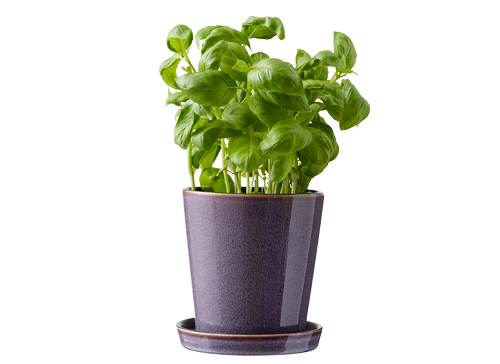
Fresh herbs, however, have a different aroma and taste from dried or frozen varieties. They add plenty of flavour to food and also work well as a decorative finishing touch to a meal. If you prefer to keep fresh herbs close at hand, herb pots are a practical way to grow and display them in the kitchen.
On this page, many shoppers start by looking at the overall style and size of the pots, then narrow the choice down based on where the herbs will stand and how they want to care for them in everyday use. This makes the category useful both for comparing looks and for finding a practical setup for fresh herbs at home.
Storing and growing herbs indoors
Herbs are not only useful in cooking, they also look good on a windowsill. A group of fresh herbs can create a small green area indoors while giving you herbs you can pick and use in your food.
You can grow herbs from seed or buy fully grown plants that are ready to use. Fully grown herbs, especially those bought in supermarkets, are best replanted into a larger pot with fresh, nutrient-rich soil.
When choosing herb pots, a practical way to decide is to think first about placement and then about appearance. If the pots will stand in a bright kitchen window, many people look for designs that work as part of the room as well as for growing herbs. You can also explore kitchen brands such as kitchenware collections and compare options within kitchen storage if you want a coordinated look across the kitchen.
Herb pots can also be combined with other plant containers around the home to create a more cohesive look. In everyday use, this makes it easier to connect practical kitchen items with decorative elements in nearby spaces.
Herbs should be placed on a bright, warm windowsill. They also need regular watering, and the warmer the conditions, the more often they need water.
If you want watering to be simpler and easier to manage, self-watering herb pots can be a helpful option. They dose the water automatically and help prevent the soil from drying out. For many shoppers, this is one of the main differences to compare in the category: standard pots for a simple setup, or self-watering versions for easier day-to-day care.
You can also use fertiliser intended for edible plants. Herbs particularly benefit from extra nutrients in the spring months, while they do not need fertiliser in winter.
Tips for using herbs
There are many different herbs, and they are known for their aromatic character and their ability to lift the flavour of food. Herbs also contain high levels of vitamins and minerals.
If you want to get as much aroma and flavour as possible from your herbs, you can use a mortar. Crushing the herbs helps release more of their taste before adding them to your dish.
Basil
Basil has a perfumed aroma and flavour that works particularly well in an Italian tomato salad with tomatoes, mozzarella and balsamic.
Mint
Mint is a natural choice for a fresh summer salad or a mojito. Before using the leaves, place them between your hands and clap lightly to release more aroma and flavour.
Oregano
Oregano is a classic choice for pizza. Fresh oregano scattered over homemade pizzas adds a distinctive taste.
Parsley
Parsley is used in many Danish dishes. There are two types of parsley: curly parsley and flat-leaf parsley. Flat-leaf parsley has a stronger flavour than curly parsley.
Chives
Chives belong to the onion family and are well suited to potato salad, omelettes or as a topping on an open sandwich with potatoes.
Rosemary
Rosemary has a strong, slightly bitter taste and is used especially in Mediterranean dishes where its character comes through clearly.
Thyme
Thyme has a spiced flavour and is often used to season potatoes. For example, it works well on oven-roasted potatoes with olive oil, salt and pepper.
For most situations, choosing herb pots starts with thinking about which herbs you use most often. If you typically like basil, mint or chives within easy reach, a windowsill setup can make everyday cooking more straightforward. If you use several herbs at once, it may help to compare pot sizes and decide how many plants you want to keep together.
On a webshop, herb pots are often part of a broader kitchen organisation choice. Once you have found the right pots for fresh herbs, you may also want to look at other storage categories depending on how you arrange the rest of your kitchen. For dry ingredients and small essentials, storage jars are a useful next step, while food storage helps organise ingredients and leftovers.
If you keep preserves or homemade fruit preparations, you can also browse juice and preserves. For other forms of kitchen storage, the wider range also includes cookie tins, wooden boxes and to go solutions.
If you are organising the sink area at the same time, it can be helpful to compare dishwashing sets, paper towel holders and trash bins. This makes it easier to move from one storage need to another and build a practical overview across the kitchen.
Herb pots and related kitchen storage
Herb pots are a good choice if you want to start a small herb garden on your windowsill and keep fresh herbs close by for daily use. In this category, you can compare pots based on how you want to grow herbs indoors and how they fit into the rest of your kitchen.
Many shoppers move from herb pots to related storage categories once they have decided how to arrange fresh herbs, dry goods and everyday tools. Looking across categories can make it easier to create a kitchen setup that feels both practical and consistent, whether you are focusing on herbs alone or on kitchen storage more broadly.
Frequently asked questions
What should I look at first when choosing herb pots?
A practical place to start is with where the pots will stand and how much space you have. In everyday use, this helps you narrow your choice by size and style before deciding which setup works best for the herbs you want to keep in the kitchen.
What is the difference between standard herb pots and self-watering herb pots?
Standard herb pots need you to manage watering yourself, while self-watering herb pots dose water automatically. In practice, this helps prevent the soil from drying out and can make day-to-day care easier to manage.
Where should indoor herb pots be placed?
Herbs should be placed on a bright, warm windowsill so they get suitable light and warmth indoors. In everyday use, this means choosing a spot where the plants are easy to reach for cooking but still have the conditions they need to grow well.
Do supermarket herbs need to be replanted into a new pot?
Fully grown herbs, especially those bought in supermarkets, are best replanted into a larger pot with fresh, nutrient-rich soil. This makes it easier to give the roots more room and support the plant after bringing it home.
How often do herbs in herb pots need watering?
Herbs need regular watering, and warmer conditions mean they usually need water more often. In practice, this helps you judge care by the environment in your kitchen rather than following exactly the same routine all year round.
Do herbs in pots need fertiliser?
You can use fertiliser intended for edible plants, and herbs benefit especially from extra nutrients in the spring months. In everyday use, this means you can support growth during the active season, while fertiliser is not needed in winter.
How can I choose the right herb pot size?
It helps to think about which herbs you use most often and how many plants you want to keep together. This makes it easier to compare pot sizes and choose a setup that suits your windowsill and your everyday cooking habits.
How do herb pots fit in with other kitchen storage choices?
Herb pots are often chosen as part of a wider kitchen organisation setup alongside storage for dry goods and everyday tools. In practice, this helps you create a more consistent layout by comparing herb pots with other narrower options in kitchen storage.