The secret to a good pizza starts here
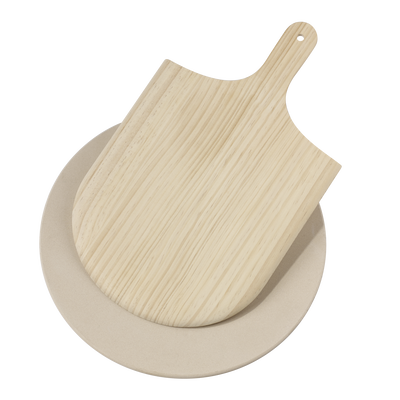
When flour, tomatoes, cheese and sausage come together in a homemade pizza, a good result depends on a few things working well together. Two of the most important are safe handling and proper baking. Without a pizza paddle, it can be difficult to move the pizza neatly from the worktop to the stone. Without the right baking surface and enough heat, the result can be pale and less crisp than you want.
Good handling and good baking are two key points if you want more consistent results when making pizza at home.
On this page, the category helps you compare Pizza Stones & Paddles in a practical way. You can start with the broader range of kitchen utensils, then move into pizza and pasta utensils if you want to see the wider selection for homemade pizza and pasta. Here, the focus is on the tools used for baking and transferring pizza safely.
Pizza stone: a simple way to get a crisp, Italian-style base
A pizza stone brings some of the same qualities associated with a traditional pizza oven into your kitchen or onto your terrace. The main idea is simple. The stone is heated thoroughly before baking, so the pizza meets a very hot surface straight away. That helps the base bake properly and gives you a crisper result than a pale, underbaked bottom.
Many people explore this category because they want to improve the baking part of their setup first. If your main challenge is the base, a pizza stone is often the place to start. If your main issue is moving the pizza cleanly in and out of the oven or grill, then a pizza paddle may be the first thing to compare.
If you are unsure how to use a pizza stone, the basic principles are straightforward and easy to follow.
How to use a pizza stone on a grill
A grill can be used for more than grilling, and pizza baking is one example. A grill combined with a pizza stone can be an effective setup when you want high heat and a crisp base. The important point is to preheat both the grill and the stone well before the pizza goes on.
High temperatures are important for pizza, but the stone should never be heated beyond the maximum temperature it is designed to tolerate. Once the pizza is placed safely on the stone, you can lift the lid to check the baking, but each time the lid is opened, heat escapes.
How to use a pizza stone in the oven
The same principle applies in the oven. Preheat both the oven and the stone thoroughly before baking. In everyday use, this is one of the main reasons people choose a pizza stone. It fits into a familiar baking routine while giving you a hotter surface than a standard tray.
How hot should a pizza stone be?
As a general rule, a pizza stone should be as hot as possible without going above the maximum temperature the product can handle. In this range, the pizza stones tolerate 250 to 500 degrees, which is enough to help create a crisp base. The Morsø pizza stone, or roasting plancha, is made of Vetro glass, which allows very high temperatures when baking pizza.
How to clean a pizza stone
Wait until the stone has cooled completely. Avoid soap and other cleaning agents. Scrape off any residue with a spatula and wipe the surface with a damp cloth. If you are comparing products in this category, cleaning and day-to-day handling can be useful points to keep in mind alongside shape and material.
What is a baking steel?
A baking steel offers many of the same advantages as a pizza stone. It is made from robust, heat-conductive materials, giving you a surface that heats up quickly and works well for pizza baking. In the range, you will find both HOLM pizza stones and baking steels in different designs and shapes.
If you are browsing the category to compare baking options, it can help to think in stages. Start by deciding whether you want a classic pizza stone or would rather look at a baking steel with similar baking benefits. Then consider where you bake most often, whether that is in the oven or on the grill, and how much heat your setup typically uses.
Once the pizza is baked, the next practical step is serving. For a clean finish, you can continue to the selection of pizza cutters.
Pizza paddle: precise handling from worktop to oven
A good pizza paddle makes it easier to transfer the pizza from the worktop to the stone and back again after baking. That sounds simple, but it is often where homemade pizza becomes awkward. A paddle helps you move the pizza with more control, so the shape and topping stay in place during the transfer.
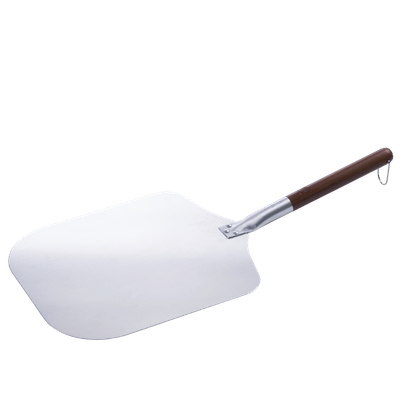
In this category, users often compare pizza paddles by looking at the head and the handle. The head should be large enough to support the whole pizza during transfer. The handle should give you a safe distance from the heat source, and when the heat is very high, a longer handle can be especially useful. For most households, a more compact paddle is easier to store than the large versions often seen in pizzerias.
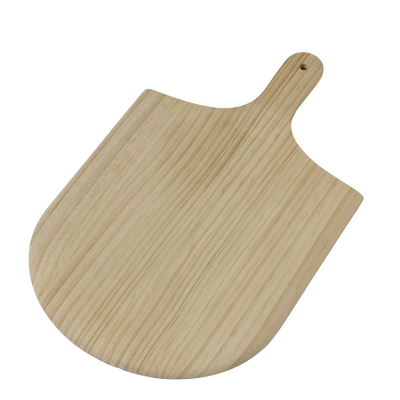
You will find options such as wooden pizza paddles and Morsø pizza paddles, as well as HOLM pizza paddles with an elegant handle designed for comfort and precision. A practical way to choose is to think about how you bake most often. If space matters, a compact model may suit you better. If you regularly bake at very high heat, handle length may become a more important point.
How to use a pizza paddle
A pizza paddle is used when the pizza needs to move from the table or worktop to the stone and back again. The pizza is usually easiest to get on and off the paddle with a quick, firm motion.
How to get the pizza off the paddle
One of the most common problems is the pizza sticking to the paddle just as it needs to slide into the oven or onto the stone. When that happens, the pizza can lose its shape or end up in a heap on the hot surface. To reduce that risk, a pizza paddle should have a smooth surface and be used with a generous amount of flour so the dough does not stick. You can also consider a paddle with holes, which can make the transfer easier.
If you are building a broader setup for homemade Italian cooking, you can also explore ravioli equipment as a natural next step alongside pizza tools.
Compare Pizza Stones & Paddles from well-known brands
This category brings together the tools that help with two central parts of pizza making: baking and handling. Some shoppers arrive knowing they need a pizza stone for a crisper base. Others are looking for a pizza paddle because moving the pizza has been the difficult part. By gathering both product types in one place, the page makes it easier to compare what suits your own setup best.
If you want to look beyond this category, you can continue to the wider range of pizza and pasta utensils and compare related tools in the same area of the webshop. That gives you a clearer path from broad product groups to more specific choices, whether you are focused on baking, transferring, slicing, or complementing your setup with other pasta tools.
Pizza Stones & Paddles are practical tools. They help create a better base, a smoother transfer and a more controlled baking process, whether you use an oven or a grill. That is why this category is useful both when you want one specific tool and when you want to compare the full setup for homemade pizza.
Frequently asked questions
What is the difference between a pizza stone and a pizza paddle?
A pizza stone is used for baking, while a pizza paddle is used for transferring the pizza safely to and from the hot surface. In everyday use, this means the stone helps create a crisper base, and the paddle makes it easier to move the pizza without disturbing the shape or toppings.
Should I choose a pizza stone or a pizza paddle first?
That depends on which part of pizza making is giving you the most trouble. In practice, if the base is often pale or not crisp enough, a pizza stone is a sensible place to start, while a pizza paddle is more useful if transferring the pizza cleanly is the main issue.
How do I use a pizza stone in the oven or on a grill?
The main point is to preheat both the oven or grill and the pizza stone thoroughly before baking. In everyday use, this helps the pizza meet a properly hot surface straight away, which supports more even baking and a crisper bottom.
How hot should a pizza stone be?
A pizza stone should be as hot as possible without going above the maximum temperature it is designed to handle. In practice, this helps you get the benefit of high heat for baking while reducing the risk of using the stone outside its intended temperature range.
How do I clean a pizza stone properly?
Let the stone cool completely before cleaning it, then scrape off any residue and wipe it with a damp cloth. In everyday use, this means avoiding soap and other cleaning agents, which the category content specifically advises against.
What should I look at when choosing a pizza paddle?
Two important points are the size of the head and the length of the handle. This makes it easier to choose a paddle that supports the whole pizza well and gives you a safe distance from the heat source, while still being practical to store at home.
How can I stop pizza dough sticking to the paddle?
A smooth paddle surface and a generous amount of flour can help reduce sticking when the pizza needs to slide off. In practice, this helps you transfer the pizza more cleanly, and a paddle with holes may also make the movement easier.
How can I narrow down the right Pizza Stones & Paddles online?
A useful approach is to start by deciding whether you need help with baking or with handling the pizza. In everyday use, this makes it easier to move from broader kitchen utensils to more specific selections, and then compare options by material, shape, handle length and whether you bake mainly in an oven or on a grill.