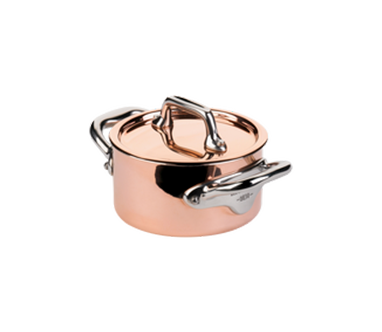

Copper pots are known for their excellent heat conductivity, which helps create even heat throughout the pot. This is especially important for dishes where precise temperature control makes a real difference. Alongside their practical cooking qualities, copper pots also have a timeless look that stands out in the kitchen.
When browsing this category, it helps to start with the type of cooking you want the pot for. Some shoppers focus on copper for sauces and delicate preparations, while others want a pot that also looks striking on the hob or when stored in view. This category brings those options together so you can compare shape, appearance and practical details before moving on to more specific pot types.
Copper is particularly well suited to sauces and many desserts, where full control over the temperature is key. It is also a strong choice for frying and browning meat, helping you achieve even cooking results. If you already know you are looking more broadly across cookware, you can also explore our full selection of pots and pans and then narrow down to the material and pot style that suits your cooking.
If you are comparing within the pots category specifically, it can be useful to view all pots first and then decide whether copper is the right fit for the way you cook. For some dishes, copper provides the level of heat control that makes selection easier. For others, you may simply want a pot that combines function with a classic finish.
Many shoppers also look for matching pieces when building a cookware collection. If you need a lid to go with your pot, you can compare our range of pot lids alongside this category. That makes it easier to move from a general material choice to the exact setup you need.
Pure copper pots are not magnetic and therefore cannot be used on induction hobs. Some copper pots are made with a magnetic base, which makes them suitable for induction. A practical way to choose is to check the induction symbol on the individual pot, in the product description or on the packaging. That gives you a clear answer before you decide.
If you are shopping by hob type first, it may also help to compare this category with our pots for induction cooktops. That gives you a more direct overview of options designed for induction use. If you cook on gas instead, you can also browse our pots for gas stoves to compare by cooking setup as well as by material.
For most situations, this is how shoppers narrow the choice: first by material, then by compatibility, and finally by the kind of dishes they usually prepare. Copper pots are particularly suitable when responsive heating is part of the decision. Checking compatibility early can save time and help you focus on the models that match your hob.
French copper cookware from Mauviel is widely recognised by food enthusiasts and professional chefs. The brand is known for combining materials and design in a way that highlights the qualities copper is valued for. If you are comparing copper cookware and want to stay within one material family, copper pots are often the starting point before adding other complementary pieces.
This category is therefore useful both for shoppers looking for one specific copper pot and for those building a more coordinated cookware selection. Once you have narrowed down the pot you need, many continue by comparing lids or by looking at other pot formats for different cooking tasks.
A copper pot suits anyone who values both appearance and quality in the kitchen. Copper is a soft metal with a lively shine, so it needs care to keep its finish looking its best. If you are deciding whether copper is the right material for you, maintenance is an important part of the comparison. Copper may need a little more attention than some other materials, and this category helps make that easier to evaluate before you choose.
Let the pot cool down before cleaning to help prevent damage from thermal shock. Wash it by hand in warm soapy water with a soft sponge or cloth. Avoid harsh abrasives and steel wool, as they can damage and scratch the fine copper surface. In everyday use, gentle cleaning is the simplest way to preserve the finish over time.
To keep a copper pot shiny and free from oxidation, it should be polished regularly. Regular care helps maintain the distinctive appearance that makes copper stand out. If a polished finish matters to you, this is worth bearing in mind when comparing copper with other pot materials.
Always dry the pot straight after washing to help prevent water spots. Make sure it is fully dry before putting it away. This is a small step, but it helps keep the surface looking cleaner and more even.
Store your copper pot in a dry place to reduce the risk of oxidation. Oxidation happens when copper reacts with oxygen in the air, and the risk increases if the pot is stored in damp conditions. It can leave a greenish layer on the copper surface. It is also best not to stack other pots directly on top of copper, as that can cause scratches.
If you are comparing categories beyond copper, storage and maintenance may influence your decision just as much as cooking performance. Shoppers often move from a specific material page like this one to broader categories in order to compare everyday care with shape, size and intended use.
If you want to continue comparing options, there are several natural next steps from this page. For larger batches, soups and similar dishes, take a look at our stock pots. If your main priority is hob compatibility, you can compare copper with pots for induction cooktops or pots for gas stoves. If you need to complete your cookware with matching covers, browse our pot lids.
For a broader overview, you can always return to all pots or browse the full pots and pans range. That makes it easier to move from a focused material choice to a wider comparison across categories, depending on how specific your search is.
Copper pots are valued for excellent heat conductivity, which helps create even heat throughout the pot. In everyday use, this means you get more precise temperature control for dishes where small heat changes matter, while also choosing a pot with a classic look.
Copper pots are particularly well suited to sauces, desserts, frying and browning meat. In practice, this helps you manage heat more evenly when cooking dishes that benefit from close temperature control.
A practical place to start is with the type of cooking you want the pot for, such as sauces or more general hob cooking. This makes it easier to compare shape, appearance and useful details before moving on to narrower options.
Pure copper pots are not magnetic, so they cannot be used on induction hobs. In practice, this means you need to check whether a pot has a magnetic base and look for the induction symbol in the product details or on the packaging.
Let the pot cool before cleaning, then wash it by hand in warm soapy water with a soft sponge or cloth. This makes it easier to protect the copper surface, as harsh abrasives and steel wool can scratch and damage the finish.
Yes, copper pots should be polished regularly to help keep them shiny and reduce visible oxidation. In everyday use, this means copper may need more attention than some other materials if you want to maintain its polished appearance.
Drying the pot straight after washing helps prevent water spots, and storing it in a dry place helps reduce oxidation. In practice, this helps you keep the surface cleaner and avoid the greenish layer that can appear if copper is kept in damp conditions.
It helps to choose first by material, then by hob compatibility, and finally by the kinds of dishes you usually cook. This makes it easier to focus on filtered choices that suit your cooking setup, and then compare related items such as lids or other pot types if needed.