How do I choose the right pot lid?
In our range, you will find pot lids in practical sizes and a variety of designs. A well-made lid can make a real difference during cooking, yet it is often one of the more overlooked pieces of kitchenware. When you browse this category, it helps to compare lids step by step, starting with material, then size, and finally the design details that matter to you in everyday use.
If you have never really considered what makes a pot lid a good one, or if you are unsure which type to choose, this category gives you a clear overview. Rather than looking at lids as a single group, you can narrow your choice by focusing on the features that affect how they work with your pots.
Below, we go through three useful points to consider when you want to find pot lids that suit your needs.
1. Choose a material that suits your preferences
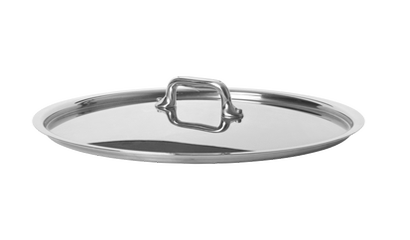
Different materials have different qualities and levels of durability. In our assortment, you can choose from both classic and more modern options. The selection includes pot lids in stainless steel, glass and silicone, as well as copper, steel and brass.
Stainless steel and glass are among the most commonly used materials for pot lids. Stainless steel is highly durable, while transparent glass makes it easy to keep an eye on your food while it cooks. A practical way to choose is to think about whether you prefer a solid lid material or whether it is helpful for you to see the contents of the pot without lifting the lid.
Design also plays a part in how you compare materials. Some shoppers start with function and then look at appearance, while others want the lid to match the rest of their cookware. In this category, that makes it easier to move from broad choices to more specific ones, depending on whether material, look or visibility matters most to you.
2. The right size helps the lid fit closely
One of the most important things to check is whether the lid fits your pot properly. A close fit around the rim helps reduce heat loss during cooking. That is why size is a key part of comparing pot lids online.
Our selection includes a range of sizes, so you can look for lids for both small and large pots. Pot lids are available in sizes such as 12 cm, 14 cm, 18 cm, 20 cm, 24 cm and 28 cm in diameter.
The size of each lid is measured by diameter. To find the right diameter for your pot, measure it from edge to edge at its widest point. For most situations, this is the simplest way to narrow the category down quickly before comparing materials and design. If the size is right, the lid closes neatly around the edge of the pot.
When shoppers explore this category, size is often the best place to begin. Once you know the diameter you need, it becomes much easier to compare the remaining options and focus only on the lids that are relevant for your cookware.
3. Choose practical and attractive designs
A pot lid should first and foremost be practical and functional, but design also matters. Shiny materials such as stainless steel and copper can give a pot a more distinctive look when it is on the hob. If you are comparing several lids with similar sizes, the finish and overall style may help you make your final choice.
You can also choose a glass lid with silicone, which combines appearance with practicality. Because the glass is transparent, you can follow your cooking without lifting the lid. That can be useful when you want to keep heat and liquid in the pot while still checking how the dish is progressing.
When browsing online, many people move from the most practical filter, such as size, to the details that shape everyday use. In that process, design becomes more than appearance alone. It is also about how the lid fits into the way you cook and how it works with the pots you already have.
If you want to explore the wider cookware selection around this category, you can also view pots and pans and browse the dedicated selection of pots. From there, you can compare more specific types such as copper pots, induction cooktop pots, pots for gas stoves and stock pots. This can be a helpful next step if you are replacing both the pot and the lid, or if you want to see which cookware types your chosen lid should work with.
With proper care, your pot lids can last for many years
Pot lids are made from durable materials, and with correct cleaning and storage, they can remain in good condition for many years. Care is therefore an important part of choosing, especially if you are comparing different materials and want to understand how they fit into your kitchen routine.
Storing pot lids
When storing your pot lids, it is important to give them the space and protection they need. Try to place them where they are not packed too tightly together. This helps reduce the risk of scratches and also lowers the chance of lids falling to the floor.
If your lid is made of glass, a fall can damage it. It is also best not to stack too many heavy items on top of a glass lid, as too much pressure may cause damage. For shoppers comparing materials, this is one of the practical points worth keeping in mind when deciding between glass and other finishes.
How to clean your pot lids
You should always check whether your new pot lids are suitable for dishwasher use, as this will be stated by the manufacturer. This is particularly relevant when you are comparing several materials, because care requirements may vary from one lid to another.
If a lid is dishwasher-safe, place it in the dishwasher so that it stays secure during the wash. For lids that are not suitable for dishwasher use, mild washing-up liquid and warm water are the right choice. Use a soft sponge or cloth to clean the lids, and dry them with a clean tea towel to help avoid water marks.
Good care supports long-term use, but it also helps preserve the finish and appearance of the lid. If design is one of the reasons you are choosing a particular material, cleaning and storage are part of maintaining that look over time.
Pot lids in different sizes and materials at Kitchen Living Dining
If you need new lids for your pots, this category gives you an easy way to compare the options available. You can start by identifying the right diameter, then look at material and design to decide which lid suits your cookware best. That makes the page useful whether you already know exactly what you need or are still comparing several possibilities.
Some shoppers come to this category looking for a direct replacement lid, while others are exploring cookware more broadly. In either case, the category supports a simple decision process: begin with fit, compare materials, and then choose the design that works best for your kitchen. A lid that fits closely helps keep heat in during cooking and helps retain liquid in your dishes, which is why choosing carefully can make a noticeable difference in everyday cooking.
Frequently asked questions
How do I choose the right pot lid?
A practical way to choose a pot lid is to start with the diameter, then compare materials and design details. In practice, this helps you narrow the options quickly and focus on lids that fit your pot and suit the way you cook.
What is the best way to measure for a pot lid?
The size of a pot lid is measured by its diameter. To find the right fit, measure your pot from edge to edge at its widest point, which makes it easier to match the lid closely to the rim.
Why does the size of a pot lid matter so much?
A lid that fits closely around the rim helps reduce heat loss during cooking. In everyday use, this means that heat and liquid stay in the pot more effectively, so checking the size first is often the most useful starting point.
What is the difference between glass and stainless steel pot lids?
Stainless steel is described as highly durable, while glass lets you see the food as it cooks without lifting the lid. In practice, this helps you choose between a solid lid material and one that gives you more visibility during cooking.
When does a glass lid with silicone make sense?
A glass lid with silicone can be useful if you want both visibility and practical everyday use. This makes it easier to follow the progress of your food while keeping heat and liquid in the pot.
How should I store pot lids properly?
Pot lids should be stored with enough space so they are not packed too tightly together. In practice, this helps reduce scratches and lowers the risk of lids falling, which is especially important for glass lids.
Can pot lids go in the dishwasher?
You should always check the manufacturer's care information to see whether a pot lid is dishwasher-safe. If it is, place it securely in the dishwasher, and if it is not, wash it with mild washing-up liquid, warm water and a soft sponge or cloth.
How do I compare pot lids more easily on a webshop?
It usually helps to begin with the diameter you need, then compare materials and finally look at design. This makes it easier to work through the filtered choices step by step instead of comparing every lid at once.