Save 30%
Save 30%
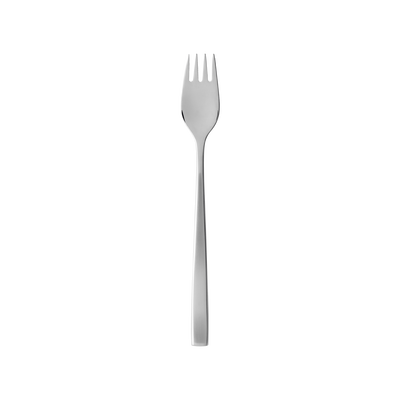

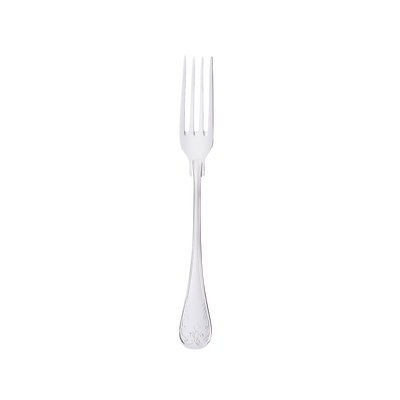
Forks for everyday meals and special occasions
Forks are used day after day, and the right choice is about more than function alone. Many people look first at the type of fork they need, then compare materials, shape and how the fork feels to hold. In this category, you can move from classic table forks to more specialised designs for serving, desserts or children, depending on what you need for the table.
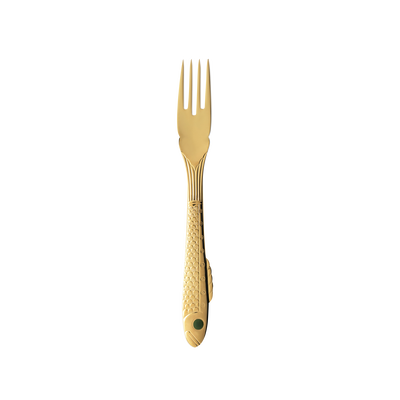
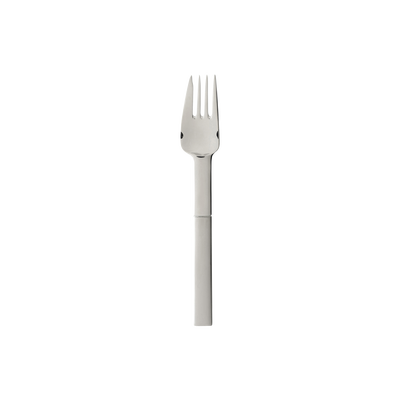
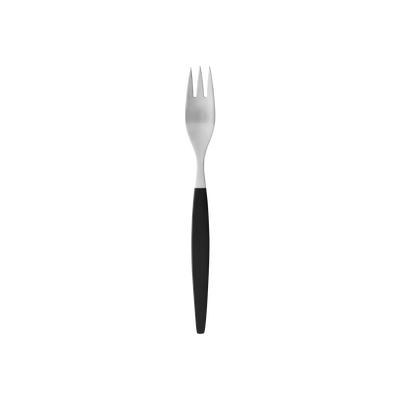
Our range includes forks in materials such as stainless steel, wood, silver and brass. There are also different styles to choose from, from simple everyday designs to more decorative options for a dressed table. If you are putting together a broader look for the meal, you can also explore our full universe of table setting and our selection of flatware and cutlery.
A practical way to choose is to start with the meal you are buying for most often. If you need forks for daily use, table forks are usually the natural starting point. If you are looking for something for desserts, serving or a particular type of meal, it makes sense to narrow the category from there.
How to choose the right type of fork
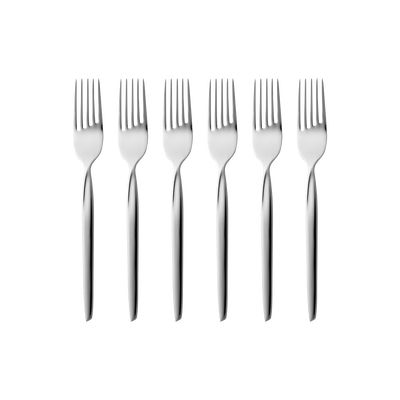
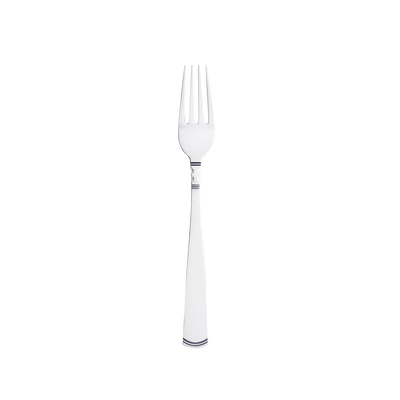
Table fork
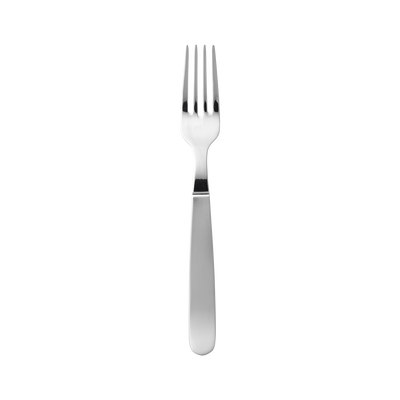
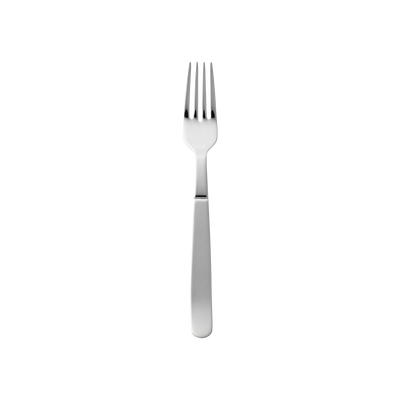
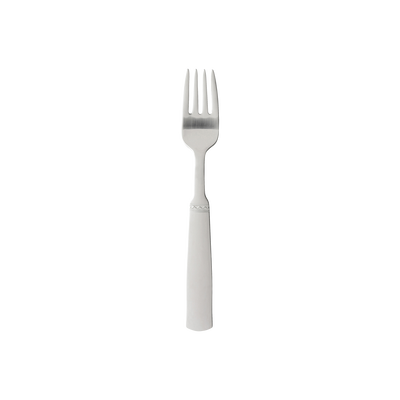
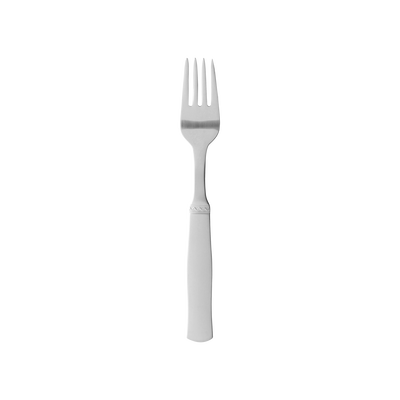
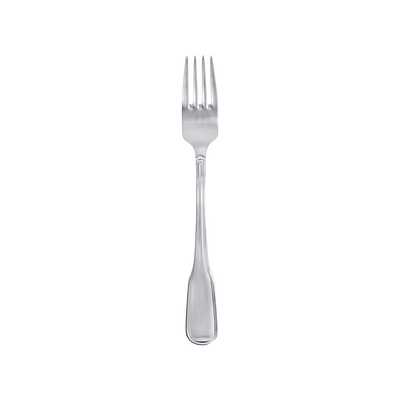
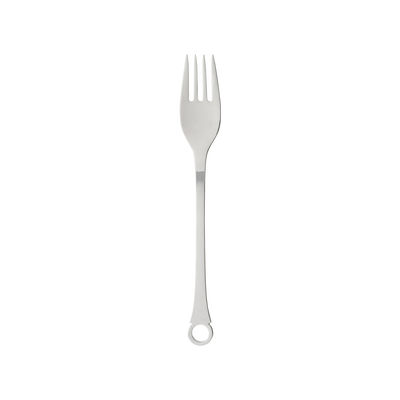
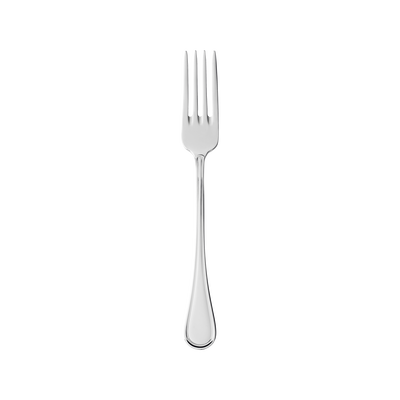
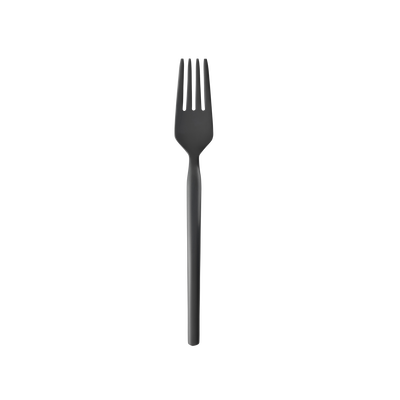
The classic table fork is a regular part of most homes. It is the fork many people reach for every day, so both appearance and grip matter when you compare options. For most situations, it helps to choose a fork that feels comfortable in the hand and suits the rest of your cutlery.
Many prefer matching knives and forks on the table. If that is what you are looking for, you can continue to our range of cutlery sets, where knives and forks are coordinated as part of the same series.
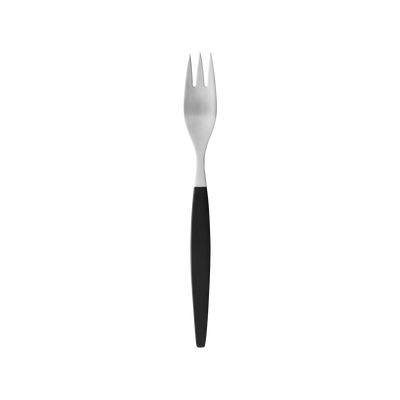
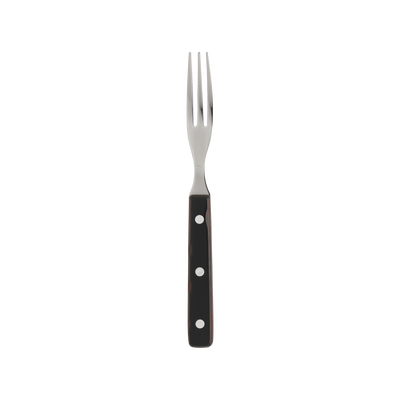
Steak or grill fork
A steak or grill fork is made for meals where you need a firmer hold while cutting. The sharp tines help grip the surface of the meat, so the fork works together with the knife during the meal. If you are comparing options for this kind of use, it is worth looking at the shape and how it pairs with the rest of the cutlery.
For meals centred around meat, you can also browse our selection of steak cutlery. If you are completing the place setting more broadly, you can compare with our range of knives.
Children's fork
For children, using cutlery is part of learning at the table. A children's fork is chosen to make it easier for a child to handle during meals. If you are choosing for younger users, it helps to focus on size and ease of use rather than starting with standard table forks.
You can see the full selection of children's cutlery if you want matching pieces made for the same purpose.
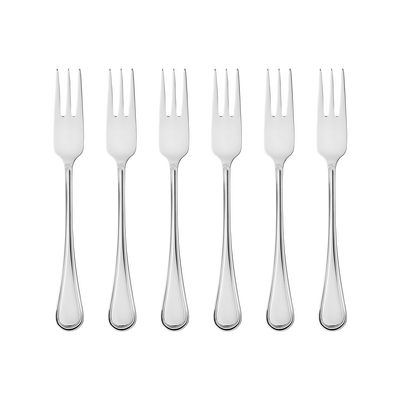
Cake fork and dessert fork
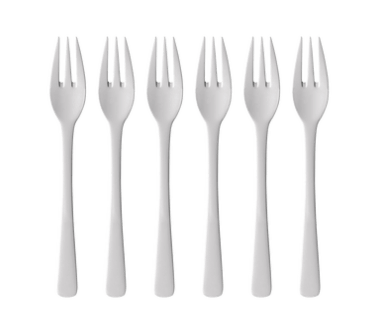
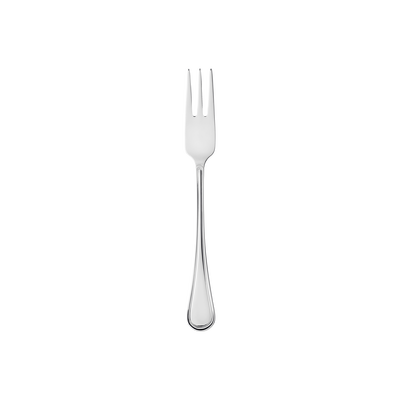
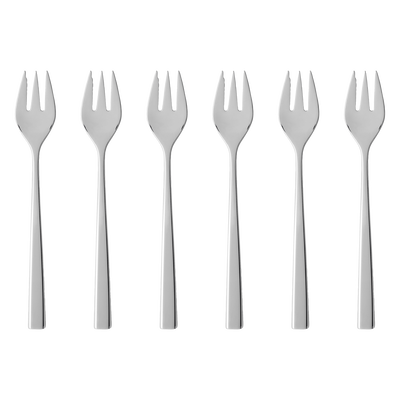
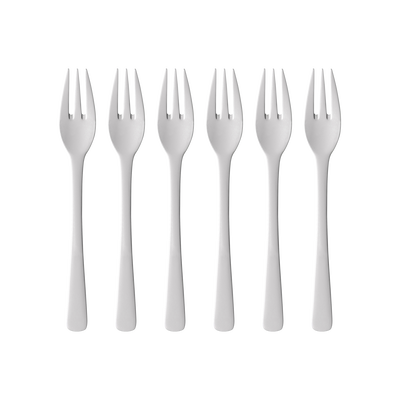
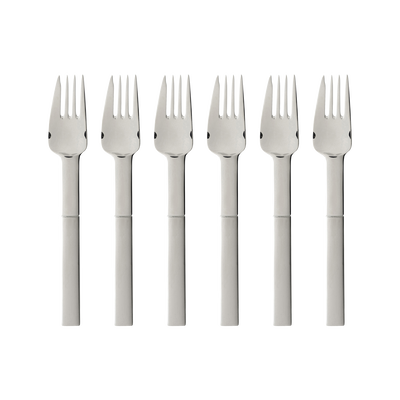
For cake and desserts, a smaller and more elegant fork is often the right choice. These forks suit serving where presentation matters, while also making it easier to handle a slice neatly. If you are comparing forks for sweet courses, it can be helpful to look at them together with the serving pieces used at the same time.
That is why many people move from forks to our selection of cake forks and servers when planning dessert service.
Cold cuts forks and serving forks
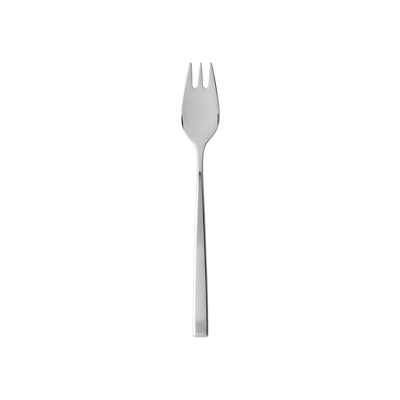
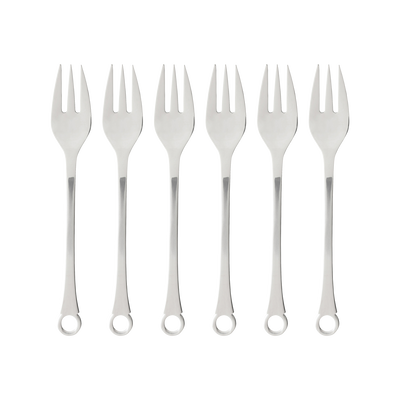
Some forks are made for serving rather than eating. A small cold cuts fork is useful at the lunch table, where the tines can grip slices of ham, sausage or cheese more easily. In a webshop category like this, these forks are often easier to find when you filter by serving purpose rather than by everyday place settings.
If you are looking for forks for serving tasks, you can browse our wider range of serving utensils. If your meal setup also includes shared salad serving, you may also want to compare with our salad cutlery.
Silver forks
If you are looking for something more distinctive, the category also includes silver forks. These stand out because of their material and are relevant if you want a different look from standard everyday cutlery. In the range, you can compare silver forks with other materials such as stainless steel, wood and brass to decide what suits your table best.
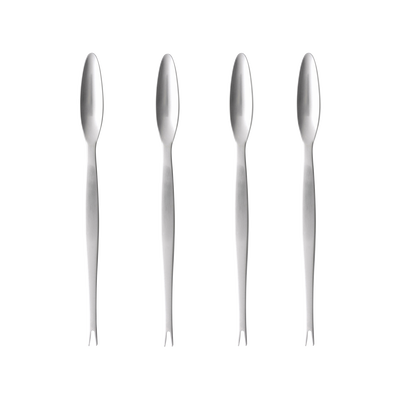
Special forks
Some forks are designed for very specific tasks. This includes types such as corn forks, lobster forks and pulled pork forks. If you already know the purpose, this makes it easier to go directly to the right type of fork. If not, browsing by use is often the simplest way to narrow the selection.
Questions many people have when choosing forks
Which side should the fork be placed on?
The fork is placed to the left of the plate. A simple way to remember this is that fork comes before knife in the alphabet, so the fork is placed first. Many people also find it easiest to imagine sitting at the table and using the cutlery, which makes the placement clearer.
Which hand should hold the fork?
When the knife is in the right hand, the fork is held in the left. If no knife is used, the fork can be held in either the right or left hand.
How many forks do you need?
The number depends on your needs and the occasions you prepare for. For everyday use, many people choose to have twice as many forks as there are people in the household, plus a few extra for guests. If you host larger dinners, it can also help to have additional forks and more than one type of fork, such as dessert forks or serving forks.
Care and completing your cutlery
Forks are made for regular use, but some materials need a little more care to maintain their finish over time. It is always best to check the product description or instructions for the specific fork you choose, as care can vary from one material to another.
If you are updating more than just your forks, it often makes sense to compare the rest of the place setting at the same time. You can match your choice with our selection of spoons and create a more complete setup with the right knives, forks and spoons for the table.
Find the right forks for your table
This category brings together forks for daily meals, serving and more specialised occasions, making it easier to compare what you need in one place. Some people begin with a material or design, while others start with the meal itself. Both approaches work well when the range is organised by type and purpose.
Whether you are looking for a classic table fork, a fork for cake service, a children's fork or a more specialised design, this page helps you move from a broad choice to a specific need. From here, you can continue into related categories to build a table setting that suits the way you want to serve and present each meal.
Frequently asked questions
How do I choose the right type of fork?
A practical way to choose is to start with the meal you buy for most often. In everyday use, this means beginning with a table fork for regular meals, then looking at narrower options such as dessert, serving or children's forks if you need something more specific.
What is the difference between a table fork and a steak fork?
A table fork is the standard fork many people use every day, while a steak or grill fork is made for meals where you need a firmer hold while cutting. In practice, this helps you grip the surface of the meat more securely and use the fork together with the knife during the meal.
When should I choose a children's fork instead of a standard fork?
A children's fork is chosen to make it easier for a child to handle during meals. In practice, this means focusing on size and ease of use rather than starting with a standard table fork made for adults.
What are cake forks and dessert forks used for?
Cake forks and dessert forks are used for sweet courses where a smaller and more elegant fork is often the better fit. This makes it easier to handle a slice neatly and helps when presentation matters during dessert service.
Are some forks meant for serving rather than eating?
Yes, some forks are designed mainly for serving tasks, such as cold cuts forks and other serving forks. In everyday use, this means they can help you grip slices of ham, sausage or cheese more easily at the table.
Which side of the plate should a fork be placed on?
The fork is placed to the left of the plate. In practice, this helps you set the table in the usual way, and some people remember it by thinking that fork comes before knife in the alphabet.
Which hand should hold the fork?
When the knife is in the right hand, the fork is held in the left. If no knife is used, this means the fork can be held in either the right or left hand, depending on what feels natural for the meal.
How many forks do I usually need at home?
The number depends on your household and how often you host meals. In practice, many people keep about twice as many forks as there are people in the home, plus a few extra for guests and for different uses such as desserts or serving.