
Save 30%
Which wine glasses should you choose?
There are many different Wine Glasses, so it can be difficult to know where to start. A practical way to choose is to begin with the wine you enjoy most and then narrow down by style and look.
On this page, you can explore Wine Glasses as part of the wider table setting range and compare them with the full selection of glassware. That makes it easier to move from broad choices to more specific options.
Choose wine glasses to match your style
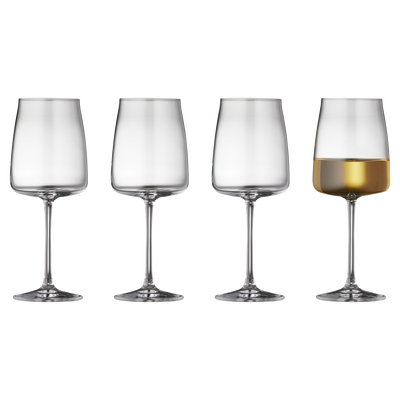
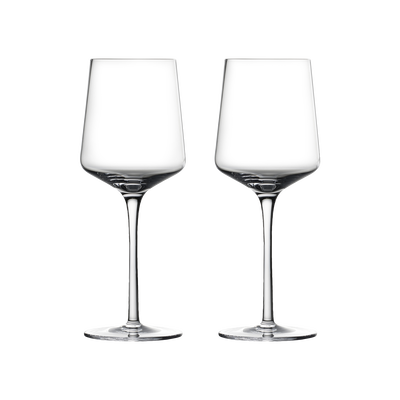
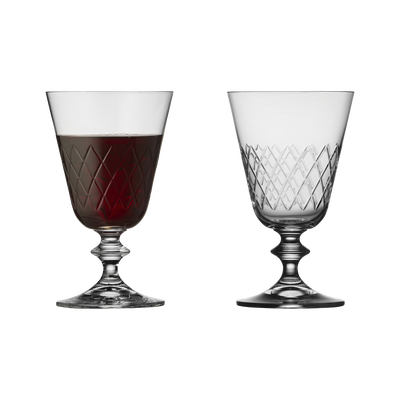
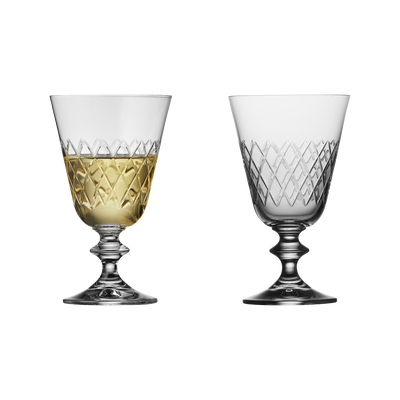
Your wine glasses should suit your taste and the expression you want on the table. In the range, you will find both classic and modern designs, so you can compare different looks before deciding what fits best.
If you want to add more colour to the table, colored glasses are a natural place to look. You can also combine your Wine Glasses with other glasses in the wider glassware selection to create a more coordinated table setting.
Choose wine glasses to match your preferred wine
Once you have found a style you like, the next step is to think about the wine you usually drink. Wine glasses are shaped differently, and that difference matters when comparing options for red wine, white wine or port.
Red wine glasses
Red wine glasses come in many forms, which is why there is no single description that suits them all. If you want to browse this type more closely, you can compare the selection of red wine glasses separately.
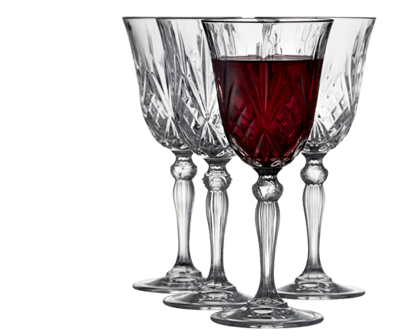
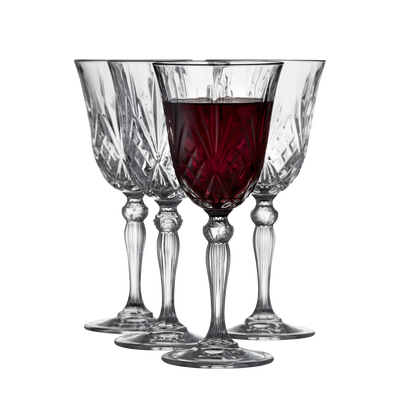
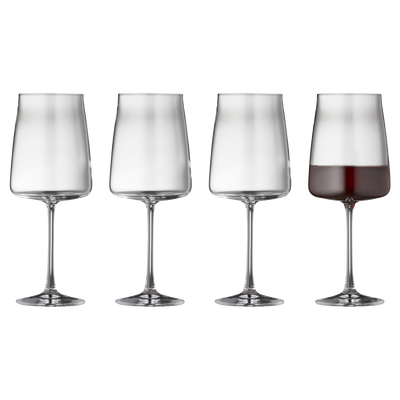
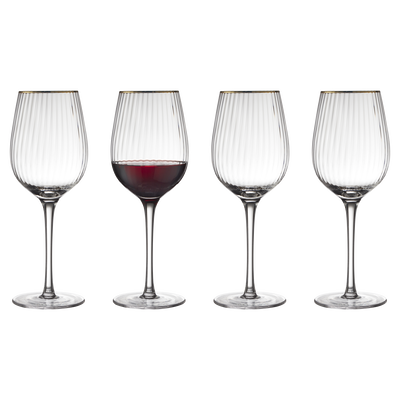
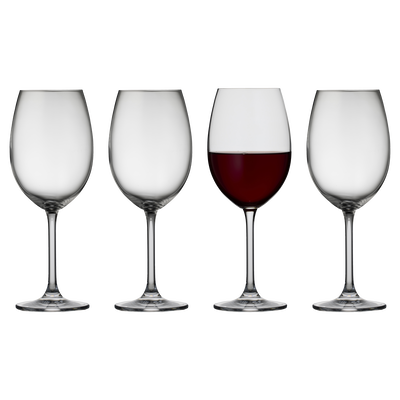
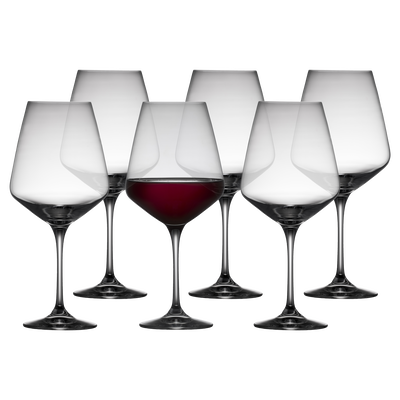
In many cases, the red wine glass is the largest wine glass on the table. The generous bowl, narrowing towards the top, is designed to highlight the rich and complex aromas found in red wine. Held by the stem, the broader shape is easy to swirl, helping the wine open up and release its aroma.
Red wine glasses are available in different shapes and sizes to suit different red wines. You can compare glasses intended for everything from full-bodied Cabernet Sauvignon to delicate Pinot Noir, depending on what you prefer to serve.
White wine glasses
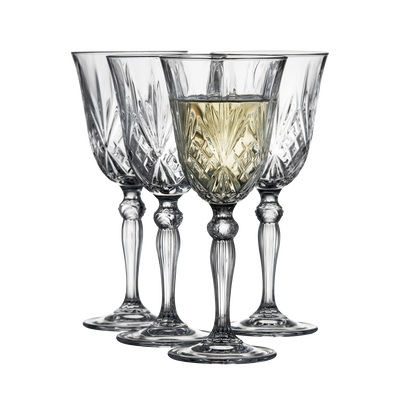
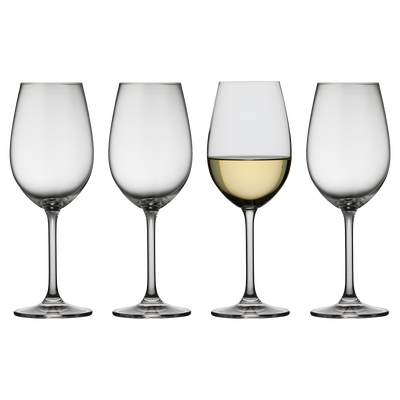
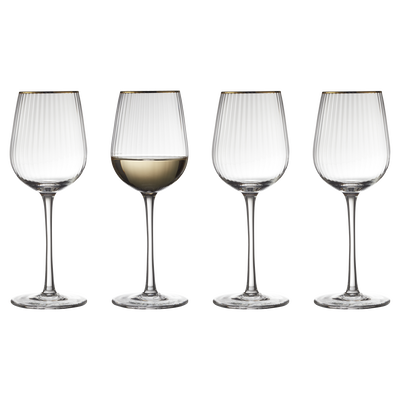
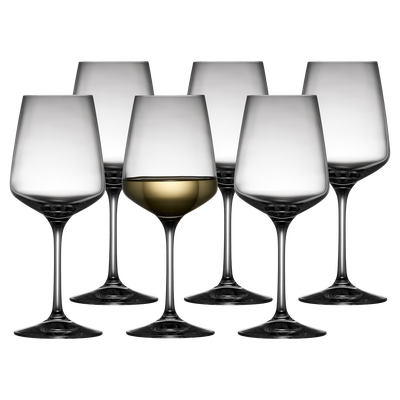
White wine glasses are often smaller than red wine glasses and usually have a slimmer bowl. This shape helps concentrate the wine's aromatic notes. The narrower opening reduces exposure to air, which helps preserve the fresh floral and fruity notes that characterise many white wines. Holding the glass by the stem also helps avoid warming the wine by hand.
As with red wine glasses, white wine glasses come in different forms for different types of wine. If you typically drink crisp Sauvignon Blanc or aromatic Chardonnay, it helps to compare the bowl shape and size when choosing.
If you also enjoy champagne or lighter dessert wines, you can continue to champagne glasses and dessert glasses to find matching options for those styles.
What is the difference between red and white wine glasses?
The main difference is the size and shape of the bowl. Red wine glasses typically have a larger bowl that narrows at the top to emphasise aroma and allow the wine to breathe.
White wine glasses are smaller and narrower, helping keep the wine cool while bringing delicate floral and fruity aromas closer to the nose.
Port wine glasses
For many people, port is a natural way to round off a meal. It is often enjoyed alongside coffee and dessert, and the right glass helps support that experience.
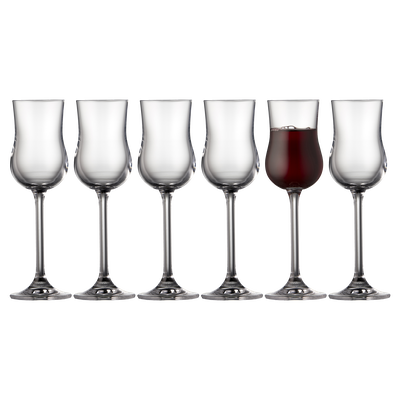
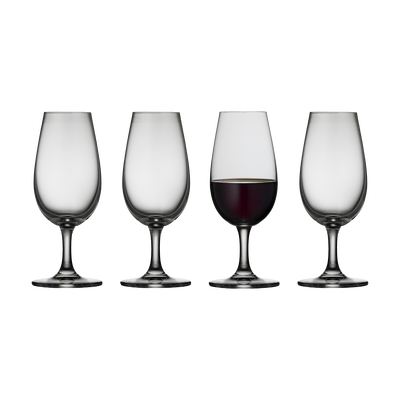
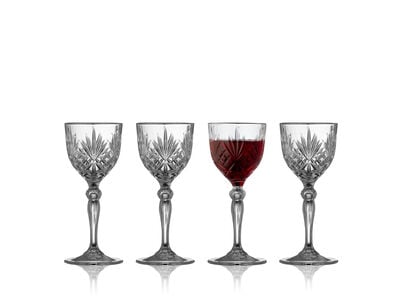
With a good port wine glass, the deep aromas and rich flavour notes of port are brought forward. Port wine glasses are smaller than standard wine glasses, and the narrow bowl directs the aroma towards the nose before drinking.
If you are building a collection step by step, port wine glasses are one of the more specific choices you can add after selecting glasses for red and white wine.
Wine glasses as part of the table setting
Wine glasses are not only for serving wine. They also play a visual role on the table, where they add style and elegance to a festive setting.
For most situations, it helps to think about Wine Glasses as part of the overall table setting. You can use them to create a consistent look, compare heights and shapes, and choose designs that work with the rest of your tableware.
Three ideas for using wine glasses on the table
Create visual harmony: Choose wine glasses that complement your other tableware. Some prefer a classic look, while others want more colour and personality.
Work with height: A mix of tall, slim champagne glasses, broader red wine glasses and lower white wine glasses can create contrast and variation on the table.
Focus on detail: Small details can change the overall look. Wine glasses can be part of a decorative arrangement within your table setting.
If you are planning the full range of glasses for a meal, it can also help to compare cocktail glasses, beer glasses, drinking glasses and shot and schnapps glasses alongside your Wine Glasses.
Where should wine glasses be placed when setting the table?
The order of the glasses matters when setting the table. A useful rule is that guests start from the right.
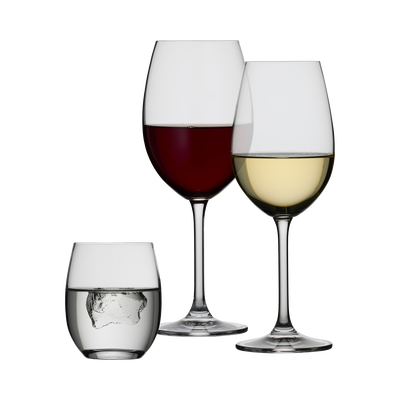
Begin with a water glass on the far right. Then place a white wine glass next to it, followed by the red wine glass. Finish with the dessert wine glass on the far left.
Luigi Bormioli wine glasses
Many people have experienced breaking a glass, either at the table or when washing up. That is why some shoppers compare collections not only by shape and design, but also by how sturdy the glasses feel in everyday use.
Luigi Bormioli produces wine glasses with a construction where stem and bowl are formed in one piece. This gives the glasses a solid construction and a distinct sense of quality. If you want to explore the range from this brand, you can compare the selection of Luigi Bormioli wine glasses from this category page.
Lyngby Glas wine glasses
If you are looking to add wine glasses to your collection, Lyngby Glas is another brand to compare. The range includes many wine glasses in both classic and modern styles.
Several Lyngby Glas series are produced at European factories, and the range also includes colourful designs that can add more character to future table settings. This can be useful if you want to compare a more neutral look with more distinctive glasses.
How to care for your wine glasses
Whatever style you choose, it is important to think about cleaning and storage so that your wine glasses stay in good condition.
Cleaning wine glasses
Before choosing, it is worth considering whether your wine glasses should be dishwasher safe. In the past, this was less common, but many glasses are now made from stronger materials that can handle dishwasher use.
A gentle programme can be a good option, while hand washing is often the safest solution.
Storing wine glasses
Store your wine glasses on a shelf or in a cabinet where they are less likely to be knocked over. Wine glasses can also contribute visually to a room if you choose to display them as part of your interior arrangement.
If you can store them in a place with minimal dust circulation, you may not need to wash them before each use.
Find wine glasses from well-known brands
This category includes Wine Glasses in many shapes, sizes and designs, making it easier to compare broad options first and then choose the type that suits your taste. Whether you start with red wine, white wine or port, the category is designed to help you move towards a more specific choice.
Frequently asked questions
How do I choose the right wine glasses?
A practical place to start is with the wine you drink most often, then compare shapes and sizes that suit that style. In practice, this helps you move from broader choices to narrower options based on both appearance and function.
What is the difference between red and white wine glasses?
The main difference is the size and shape of the bowl. Red wine glasses are usually larger and broader to help release aromas, while white wine glasses are smaller and narrower to preserve freshness and keep delicate notes closer to the nose. In everyday use, this means the glass can support the way each wine is experienced.
Why are red wine glasses usually larger?
Red wine glasses often have a generous bowl that narrows towards the top, which helps highlight richer and more complex aromas. In practice, this makes it easier to swirl the wine and let it open up before drinking.
Why are white wine glasses smaller and narrower?
White wine glasses are often designed with a slimmer bowl and narrower opening to reduce contact with air and preserve fresh floral and fruity notes. This also helps keep the wine cooler for longer when you hold the glass by the stem.
What are port wine glasses used for?
Port wine glasses are made for serving port and are usually smaller than standard wine glasses. The narrower bowl directs the aroma towards the nose, and in practice this helps bring out the deeper and richer character of the wine.
Where should wine glasses be placed when setting the table?
A useful rule is to arrange the glasses so guests work from the right. In practice, this means placing the water glass on the far right, then the white wine glass, then the red wine glass, with the dessert wine glass on the far left.
How should I clean wine glasses?
It is worth checking whether the wine glasses are dishwasher safe before cleaning them. A gentle dishwasher programme can be suitable for some glasses, while hand washing is often the safest option in everyday use.
What is the best way to store wine glasses?
Wine glasses are best stored on a shelf or in a cabinet where they are less likely to be knocked over. This makes it easier to keep them in good condition, and if they are stored with little dust exposure, you may not need to wash them before every use.