
Save 30%





Which table accessories do you need?
Table accessories cover many of the small but useful items that support both serving and table setting. On this page, you can move from a broad overview to more specific product types, depending on what you want to add to the table. Some products help protect the table surface, some help organise bread, napkins or seasonings, and others are mainly used for serving. A practical way to choose is to start with the function you need most, then compare the different subcategories.
If you are looking for an overview of the wider range, you can also explore Kitchen Living Dining and the full table setting selection.
Trays
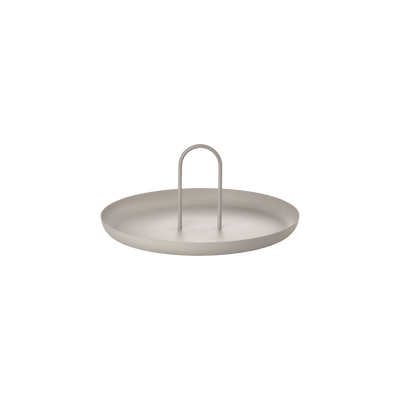
Under trays you will find serving trays for carrying food and tableware, as well as decorative trays. Serving trays are useful when you need to move several items at once, while decorative trays can be used to gather oils, vinegars and spices together. They can also be used to keep small items neatly arranged. If you are comparing options, it helps to think about whether you mainly need a tray for serving or for display and organisation.
Trivets
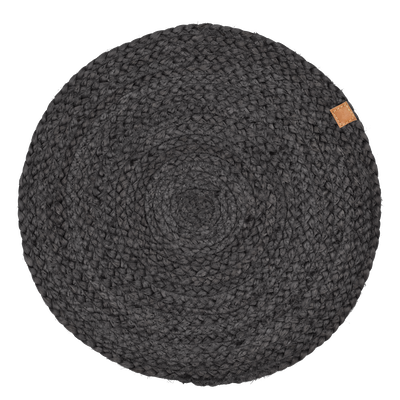
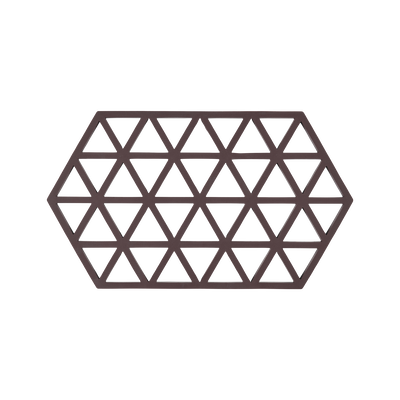
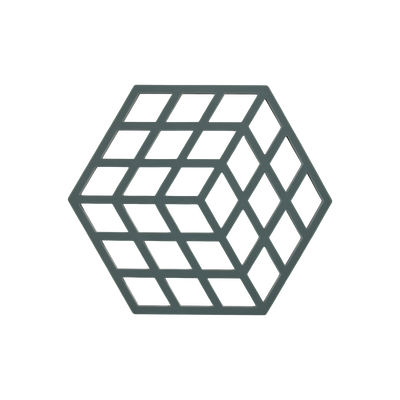
Hot pots and pans should not be placed directly on a table surface. Trivets are a practical way to protect the table while still keeping hot cookware close at hand when serving. The range includes practical and decorative trivets in materials such as metal, cork, wood and silicone. If you are using cookware directly from the hob or kitchen, you can also look at trivets together with jugs and carafes and other serving pieces to build a more complete table setting.
Bread baskets
Bread baskets help keep bread and rolls together on the table. They suit breakfast tables, homemade buns served with coffee, and bread for tapas-style serving. When browsing this part of the category, it often makes sense to compare shape and overall look with the rest of your table setting, especially if the bread basket will be placed in the centre of the table.
Placemats
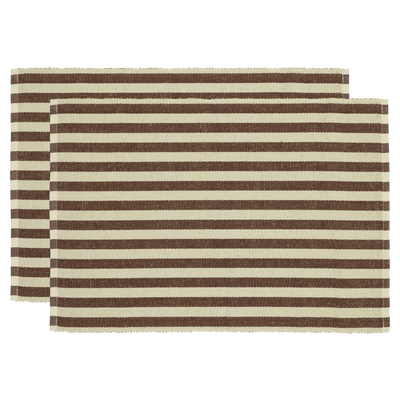
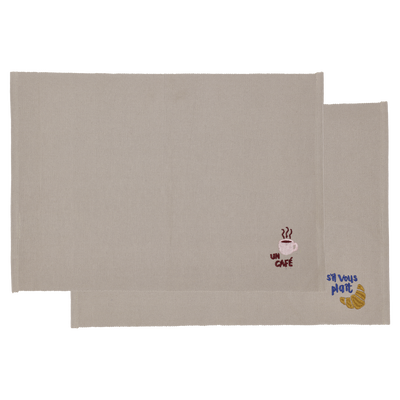
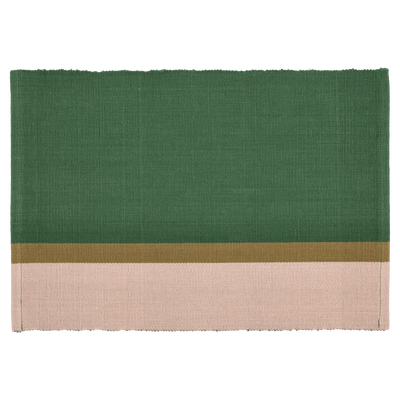
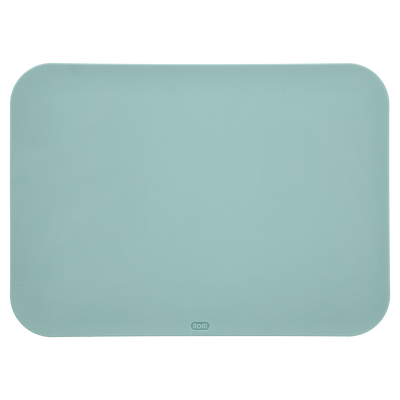
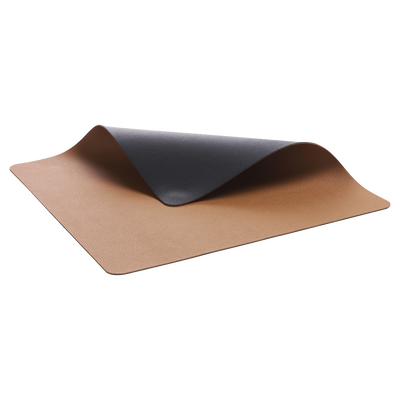
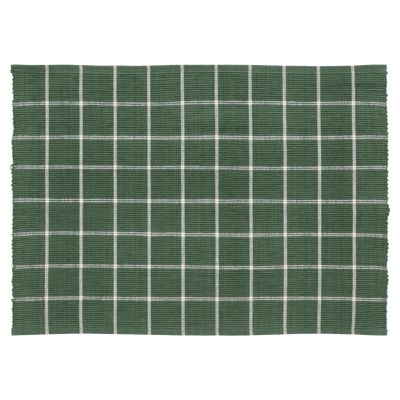
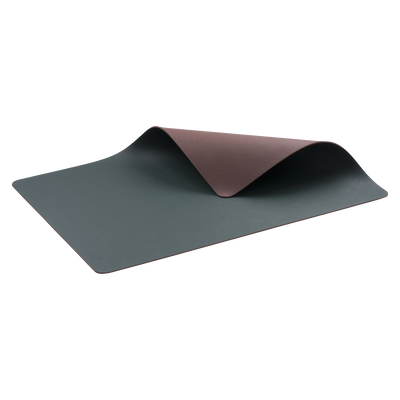
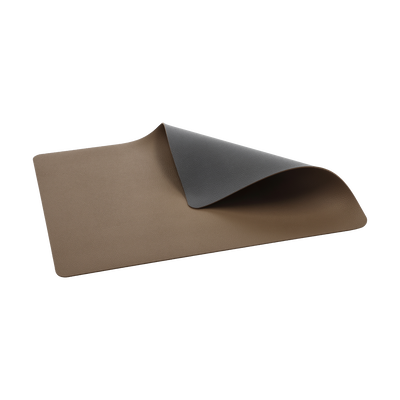
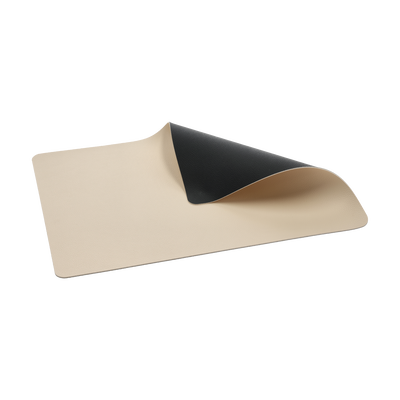
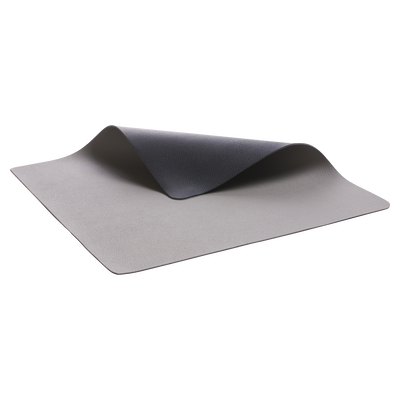
Placemats help protect the table from marks and scratches without covering it completely. They are a useful choice if you want to shield a delicate table surface while still showing the table itself. Another option is to cover the table with tablecloths. For most situations, placemats are a simple way to compare colour, material and coverage when deciding how much of the table you want to keep visible.
Napkins
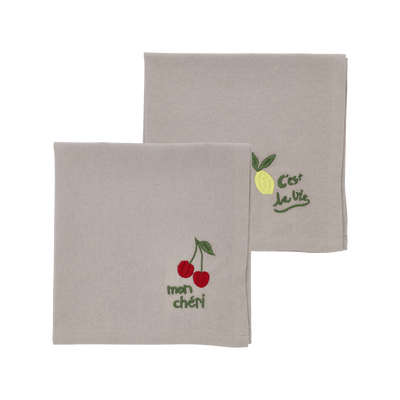
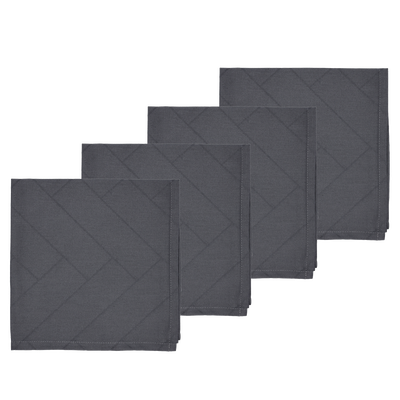
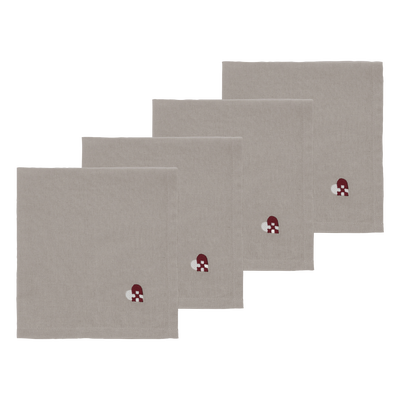
Napkins, including cloth napkins, add a decorative detail to the table. They can be used to protect clothing from stains and for wiping the mouth during the meal. If you are choosing between different table accessories, napkins are often one of the easiest ways to shape the overall look of the place setting while still serving a clear everyday purpose.
Salt and pepper sets
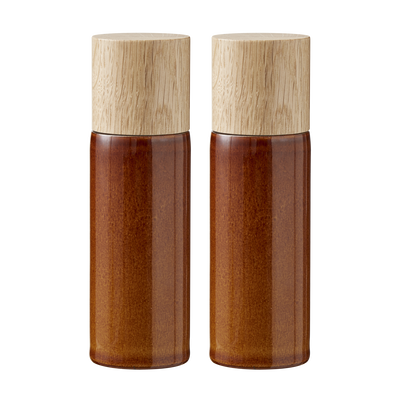
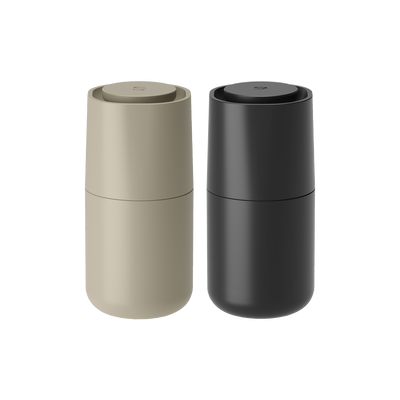
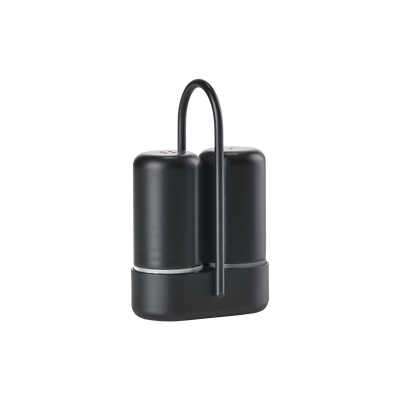
Salt and pepper are essentials in the kitchen and at the table. Salt and pepper sets keep both seasonings close at hand, whether you place them on the dining table or near the cooking area. When comparing this subcategory, many people start by deciding where the set will be used most often, since that helps narrow the choice between pieces that are mainly part of the table setting and pieces kept nearby during cooking.
Serving and tapas boards
Serving and tapas boards are made for presenting food directly on the table. They are especially suited to tapas and similar serving styles where the presentation is part of the experience. Most of these boards are made from acacia wood, which is both attractive and practical to use. If you are building a serving setup, it can be helpful to compare boards with bowls and dishes, plates and glassware.
Napkin holders and napkin rings
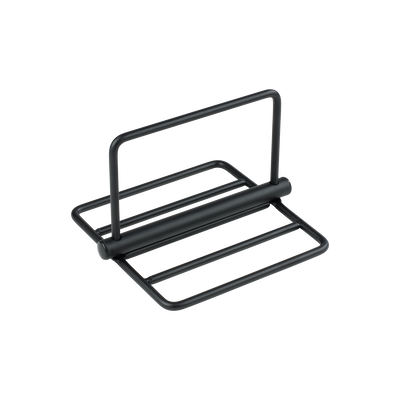
Napkin holders help keep paper napkins organised, while napkin rings are used for cloth napkins. This makes the subcategory useful if you already know what kind of napkin you use, or if you want to compare solutions for paper and fabric napkins side by side. Together with napkins, these pieces help keep the table setting neat and easy to arrange.
Egg cups
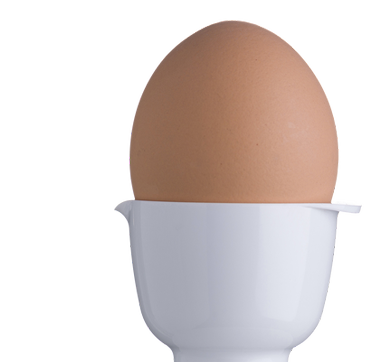
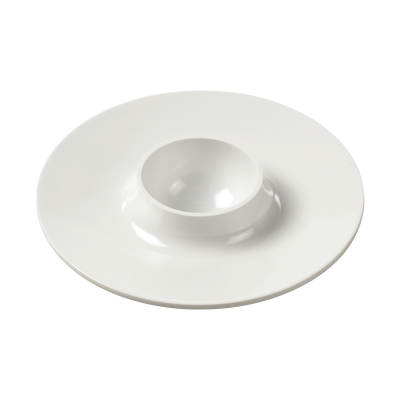
Egg cups are a useful addition to the breakfast table. They are made for serving boiled eggs neatly and keeping them in place while eating. If you typically build your table setting around breakfast or brunch, this is one of the more specific accessories in the category and is easy to compare with mugs, cups and other breakfast pieces such as mugs and cups.
Flags
In addition to the core accessories, you can also find flags in this category. When exploring the page, it can be useful to separate everyday table items from more occasion-based details, so you can narrow your choice according to the type of table setting you want to create.
Find everything for the table setting in one place
Table accessories are part of a wider table setting range, and this makes it easier to compare products across categories when you want the table to work well as a whole. Beyond accessories, you can continue with flatware and cutlery, plates, glassware, jugs and carafes, mugs and cups, bowls and dishes and tablecloths.
If you are planning a more festive table, you can also continue to bar accessories. In webshop navigation, this helps you move from the smaller finishing details to the broader serving and table categories, so it becomes easier to compare combinations and choose the pieces that best fit your table setting.
Frequently asked questions
How do I choose the right table accessories?
A practical way to choose table accessories is to start with the function you need most, such as protecting the table, organising small items or serving food. In everyday use, this means you can move from broader options to more specific selections and compare items based on how you plan to use them.
What is the difference between a serving tray and a decorative tray?
Serving trays are mainly used for carrying food, drinks or tableware from one place to another, while decorative trays are often used to gather oils, vinegars, spices or other small items together. In practice, this helps you decide whether you need a tray for transport or for display and organisation on the table or worktop.
Why would I use a trivet on the dining table?
A trivet helps protect the table surface from heat when you place hot pots or pans down during serving. In everyday use, this means you can keep hot cookware close at hand without putting it directly onto the table.
Should I choose placemats or a tablecloth?
Placemats protect the table from marks and scratches while still leaving much of the table visible, whereas a tablecloth covers the table more fully. In practice, this helps you choose based on how much protection you need and how much of the table surface you want to show.
What is the difference between a napkin holder and a napkin ring?
A napkin holder is used to keep paper napkins organised, while a napkin ring is made for holding cloth napkins neatly in place. This makes it easier to choose the right option once you know whether you use paper napkins or fabric napkins at the table.
When would I use a bread basket?
A bread basket is useful for keeping bread and rolls together on the table, especially at breakfast, when serving homemade buns with coffee or for tapas-style meals. In everyday use, this means the bread is easier to place in the centre of the table and simpler for everyone to share.
What are serving and tapas boards best used for?
Serving and tapas boards are designed for presenting food directly on the table, especially for tapas and similar styles where presentation matters. In practice, this helps you serve shared dishes in a clear and organised way alongside plates, bowls and glassware.
How can I narrow down the table accessories on a webshop?
It helps to separate everyday table items from more occasion-based details and then look at the narrower options that match the type of table setting you want to create. In practice, this makes it easier to compare combinations across trays, trivets, napkins, boards and other table setting pieces.