

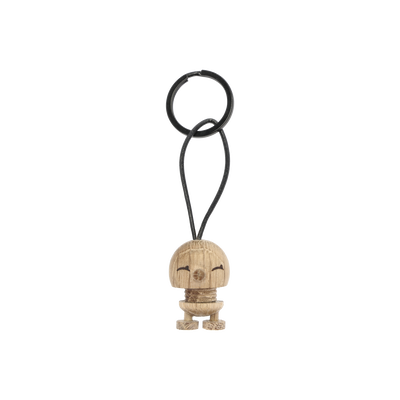
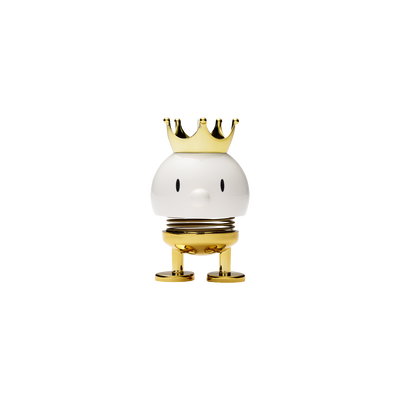
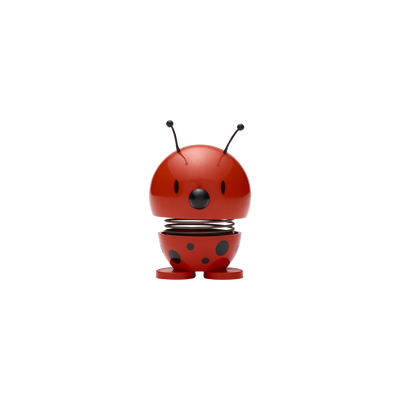
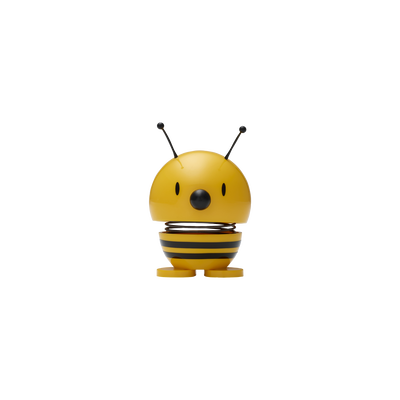

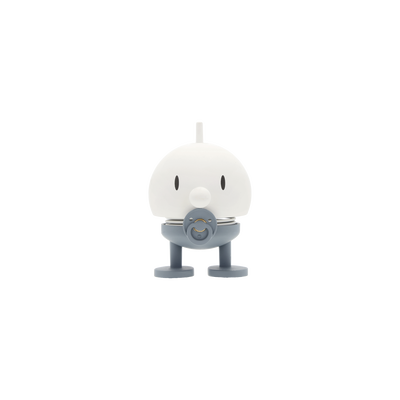
Which figurine size fits best?
Size matters more than you might expect, because it affects both where the figurine can stand and whether it feels like a small finishing touch or a clear part of the room’s decor. Small figurines for children work well when space is limited, or when the figurine should sit alongside books and toys without taking over. They typically fit nicely on a narrow shelf, on a bedside table or in a windowsill. These are places where you want something that will not block the view or be easy to knock over.
A larger figurine has more presence. It can be the right choice if it will stand on its own on a bookcase, on a chest of drawers, or somewhere it should be visible from a distance. If your child already has many things on display, a smaller size is often easier to keep looking calm. If surfaces are mostly clear, a bigger figurine can help fill the space without adding lots of smaller items.
A practical rule of thumb is to measure the surface where the figurine will stand and choose a size that does not take up the entire area. That way, there is still room to wipe around it, and it is less likely to get pushed around when your child uses the desk, shelf or table.
Look and colours that suit your child and the room
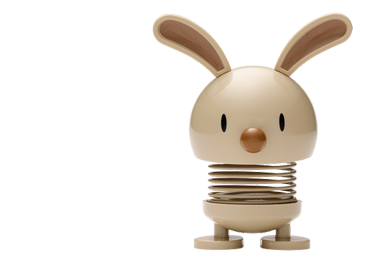
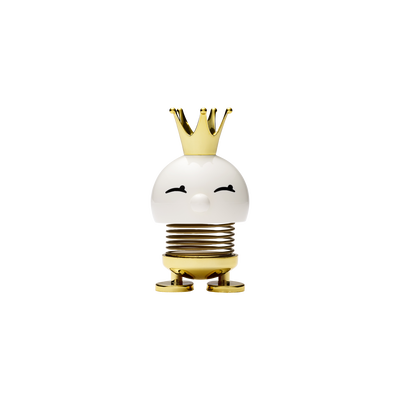
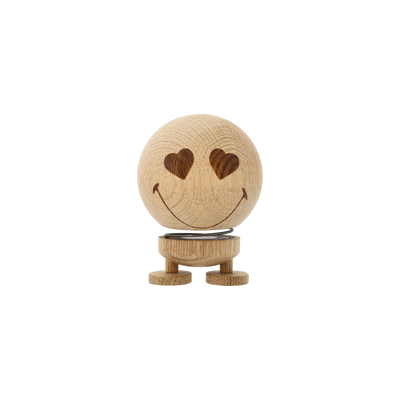
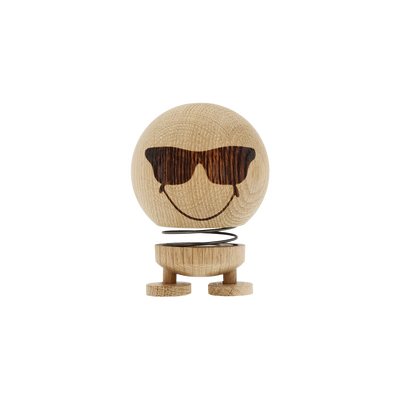
When choosing figurines for children, it often comes down to finding a look your child will enjoy having around for a long time. Some figurines feel clearly playful and quickly become part of your child’s own little world. Others have a simpler shape and suit a calmer children’s room where the colours are already coordinated. Both approaches can work. It mainly depends on whether the figurine should be part of play, or primarily a decorative item.
Colour choice also makes a difference. A figurine in neutral colours is easy to combine with the rest of the room, and it can often be moved if the room is repainted or given a new style. A figurine in a strong, clear colour can become a fixed point in the room, and it may be the one your child points to as a favourite. If you are unsure, it can help to start from what is already on display, such as the colours of bedding, lamps or storage baskets.
Material and finish for everyday use
The material affects how the figurine feels in the hand, how robust it seems, and how easy it is to keep looking neat. A smooth finish is often easier to wipe clean if the figurine stands somewhere that collects dust or gets touched by sticky fingers. A more matte surface can give a calmer look, but may need a gentler wipe if it is placed close to play and everyday activity.
It also helps to think about whether the figurine will be moved often. On a desk or a shelf where your child plays nearby, it is useful to have a figurine that feels stable. If the figurine will mostly be left alone, for example on a high shelf, weight is less important, and you can focus more on the look.
A quick practical consideration is that, if the figurine will be in a child’s room where cleaning is often done with a fast wipe, choose a finish you know you will actually wipe down in real life. It sounds simple, but it often determines whether the figurine stays on display or ends up stored away in a box.
Placement in the child’s room and what the figurine is for
Figurines can be used in different ways, and it helps to decide the purpose before you choose. Should it be a small detail that makes the room feel more cosy, or should it be part of your child’s play and everyday life? For decoration, a figurine typically has a fixed spot where it supports the overall look. In that case, many people choose small figurines for children, because they can stand together with other items without making the space feel visually busy.
If the figurine should be easy to move around, and might even be placed on the floor at times, it is an advantage to think in terms of stability and a shape that does not have many parts sticking out. If it will stand near the bed, a size that does not feel dominating can be helpful when the lights are off and your child is settling down. On a desk, it is often better if the figurine does not take up the workspace your child needs for drawing or homework.
It can also make sense to match the figurine with other items in the child’s room so everything feels connected. If you are also browsing textiles, throw blankets for children and pillows and soft toys are natural next steps, because colours and expressions often repeat across different pieces.
For the bathroom or after bath time, you can also coordinate the look with towels for children if you want the same colours and style to carry through to more everyday items.
How to choose a figurine that fits with the rest of your child’s things
Choosing is easier when you see the figurine as part of your child’s overall belongings and routines. Some children like having one clear figurine on display that they come back to again and again. Others prefer having fewer things out, and in that case a smaller figurine can be enough to add personality without taking up visual space.
If the figurine is meant as a gift, it can help to think about the child’s age and everyday life. For the youngest children, it is often best to choose something that stands securely and can handle being moved around. For older children, the look may matter more, and the figurine can fit their interests, room colours, or the things they already collect. If the room is often rearranged, a simpler figurine can be easier to bring into a new setup.
Figurines are also easy to combine with practical items that are used daily and kept within reach. If you are putting together pieces for a child’s room, you might also want to browse tableware for children for small meals, or lunchboxes and water bottles for everyday routines. For the floor, rugs for children can be relevant, especially if the figurine will be placed in an area where your child plays.
How to navigate the category on a webshop
When you browse figurines, a helpful way to compare is to start broad and then narrow down. First, decide where it will stand: a desk, shelf, windowsill or bedside table. This sets the limits for size and how stable it needs to feel. Next, compare the look and colours, so the figurine suits both your child and the room. Finally, consider the surface and how easy it is to wipe, especially if the figurine will be within reach in everyday use.
If you want to explore more children’s items, you can continue to home decor for children. If you are looking for decoration for other rooms as well, go back to the main home decor category to compare across the wider range.
Frequently asked questions
Which figurine size should I choose for a child’s room?
Start by thinking about where the figurine will stand and how much space you have. In everyday use, smaller figurines are easier to place on narrow shelves, bedside tables or windowsills without blocking the view or feeling in the way. Larger figurines have more presence and can suit clearer surfaces like a bookcase or chest of drawers where they can be seen from a distance.
How can I check if a figurine will fit on a shelf or desk?
Measure the surface and choose a figurine size that does not take up the entire area. In practice, this helps you leave room to wipe around it and reduces the chance it gets pushed when the desk, shelf or table is used. It also makes it easier to keep the space looking calm rather than crowded.
Should I choose a playful figurine or a simpler decorative one?
It depends on whether the figurine is meant to be part of play or mainly a decorative detail. In everyday use, playful figurines can become part of your child’s own world, while simpler shapes often suit a calmer room where colours are already coordinated. Deciding the purpose first makes it easier to choose a style that still feels right over time.
What colours work best for figurines for children?
Neutral colours are usually easy to combine with the rest of the room and can still suit if the room is repainted or restyled. In practice, stronger colours can act as a clear focal point and may be the one your child picks out as a favourite. If you are unsure, it helps to match the figurine to colours already present in items like bedding, lamps or storage baskets.
Does the material and finish matter for everyday cleaning?
Yes, because the finish affects how easily you can wipe the figurine and keep it looking neat. In everyday use, a smooth surface is often easier to clean if it collects dust or gets touched, while matte finishes can look calmer but may need a gentler wipe. Choosing a finish you will realistically maintain makes it more likely the figurine stays on display.
What should I consider if the figurine will be moved around often?
If it will be within reach and moved during play, it helps to choose a figurine that feels stable and does not have lots of parts sticking out. In practice, this makes it easier to place on a desk or shelf without it getting knocked over during everyday activity. If it will sit on a high shelf and be left alone, weight matters less and you can focus more on the look.
Where is the best place to put a figurine in a child’s room?
Common places are a shelf, windowsill, bedside table or desk, and the right spot depends on the figurine’s purpose. In everyday use, it helps if the figurine does not take up workspace on a desk or feel dominating near the bed when the lights are off. If it is mainly decorative, giving it a fixed spot can help the room feel more cohesive.
How do I compare figurines effectively when shopping online?
A practical approach is to start with the location first, because that sets limits for size and how stable the figurine needs to be. In practice, you can then compare look and colours so it suits both your child and the room, and finally consider the surface and how easy it will be to wipe. This makes it easier to narrow down to filtered choices that fit everyday life.