A good frame does more than surround a picture. It brings the motif together, highlights the colours and helps define the overall look of the room. Whether you are looking for a simple photo frame for personal memories, a clean poster frame for graphic motifs or distinctive picture frames for art prints, it helps to compare the details carefully. Size, material, edge width and colour all affect the final impression.
In this category, you can move from broader choices to more specific ones by starting with the type of motif you want to frame and then narrowing down by material and size. Some prefer a calm, Nordic look with a wooden frame, while others choose a sharper, more modern expression in black or metal. The main thing is that the frame supports the picture rather than dominating it. If you want a wider overview, you can also explore home decor and the wider selection within decor and interior.
Many people use the terms photo frame, picture frame and poster frame in much the same way, but there are often small differences in how they are used. A practical way to choose is to start with what you want to frame and the look you want on the wall or shelf.
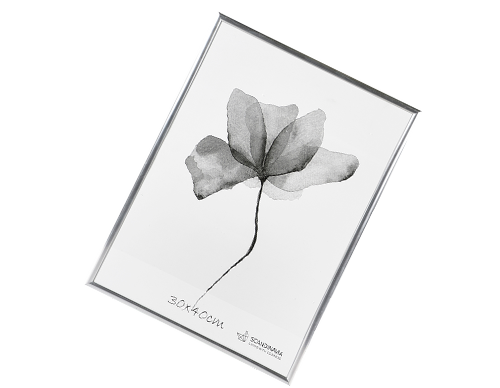
Picture frames are the broad option and can be used for everything from art prints and drawings to posters and personal photographs. They work well in the living room, hallway, bedroom and home office, and they are a useful choice when flexibility matters. Many choose picture frames because they make it easy to change the motif over time without changing the overall style of the room.
Photo frames are typically chosen for personal pictures where the memory itself is the focus. Here, the frame often plays a more discreet role so the image stands out clearly. Photo frames can work for wall display as well as placement on a shelf, chest of drawers or bedside table. If you want a warmer and softer expression, wooden picture frames are often a natural choice.
Poster frames are especially popular for art posters, typographic prints and photographic motifs in medium and larger sizes. Clean lines and a simple finish often work well here, allowing the poster enough visual space. For larger motifs, many prefer a slimmer profile to keep the overall look light, while a slightly wider edge can add more weight to smaller pictures.
The material is one of the main things to compare when choosing frames. It affects both the visual style and how the frame works with the rest of the interior.
A wooden frame adds a natural and calm feel. Wood works particularly well in Scandinavian-inspired interiors, where lighter materials, muted colours and softer surfaces create a relaxed overall look. Wooden frames can highlight everything from botanical posters and art prints to family photos and illustrations. If you want a softer and more welcoming expression, wooden frames are often the obvious place to start.
Wooden picture frames work well on their own, but they can also be combined with other materials in a gallery wall. You can mix lighter wood tones with black or darker frames to create variation while keeping a sense of balance. Many choose wooden frames when they want the room to feel more personal and less strict. To continue that natural look, they can be paired with vases or flower pots and planters.
Metal frames or frames with a more minimalist finish suit modern and graphic settings well. Black creates contrast and definition, while lighter frames give a more airy and refined look. For black and white photography, architectural posters and simple art prints, this type of picture frame can help sharpen the motif visually. In the same direction, mirrors and wall and alarm clocks can help complete the expression.
Size matters both when the frame needs to fit the motif and when it needs to sit well on the wall. Some shoppers start with standard sizes because that makes replacing motifs easier, while others look directly for a specific format to match a particular poster or print.
Among the popular sizes, you will find smaller formats for photos as well as medium and larger sizes for wall art. Frames 50x40 are a good choice for smaller art prints, illustrations and photographs where you want the motif to be clear without taking over the wall. Frames 60x42 work well when you want a little more presence, for example in the living room, above a sideboard or as part of a gallery wall with different levels.
It can also help to think in proportions rather than measurements alone. A smaller image in a larger frame can create more space around the motif, while a picture that fills almost the entire frame gives a more direct and modern expression.
When comparing photo frames, picture frames and poster frames, it is useful to look at the motif, size, style and placement. That gives you a clearer way to move through the category and narrow the selection.
A personal photograph often needs a different frame from an abstract poster. For family pictures, many choose a calm and timeless solution, while art prints and graphic motifs can carry stronger contrast. If the motif has many details, a simple picture frame is often the best match. If the motif is more minimal, the frame can have a little more character.
The frame should fit the motif exactly, or be chosen to leave extra space around the picture if that is the look you want. For a large wall, larger poster frames can create the right balance, while smaller formats are useful for shelves, niches and mixed gallery walls.
The framing should work with the furniture, textiles and materials already in the room. Light wood suits a calm and Nordic setting, while black picture frames add sharpness and definition. If your interior is more classic, warmer wood tones and slightly wider profiles can create a more traditional feel. You can also build a visual link with other pieces from decor, figurines and sculptures and the wider decor and interior range.
A single frame above a bench or sideboard creates a different effect from a full gallery wall. From a distance, larger formats tend to work best, while smaller photo frames are well suited closer to eye level or in more intimate spaces. On a picture shelf, different heights and sizes can create a relaxed, varied look. Here, lanterns or candlesticks and tealight holders can add a softer overall impression.
Frames can be used in several ways in the home. Some prefer one large motif, while others choose several pictures gathered in a personal composition. Both approaches can work well when the proportions and the connection between the pieces have been considered.
A gallery wall often feels most balanced when there is one shared element tying it together. That could be similar colours, the same type of motif or a consistent material feel such as wooden frames or black frames. If you want more variation, you can mix formats so that frames 50x40 are combined with larger sizes such as frames 60x42. This creates rhythm and gives the wall more life. In a hallway or wardrobe area, a gallery wall can also work well together with hooks and coat racks.
If you prefer a more relaxed expression, pictures can be placed on a shelf with a slight overlap, making them easy to change when you want a different look. This gives flexibility and makes it easier to refresh the arrangement without changing the whole room.
Frames are a simple way to add personality to a home. In the living room, larger poster frames can create a focal point above the sofa or near the dining area. In the hallway, smaller pictures can create a welcoming feel, while bedrooms often suit quieter motifs in softer tones and natural materials. If you want to combine wall decoration with practical elements, you can place framed pictures together with bulletin boards and accessories.
In living spaces, framed motifs can also sit well with dishes and bowls, storage baskets and other decorative details. Across the category, the aim is to make it easier to compare photo frames, poster frames and picture frames, and then choose the option that gives your motif the framing it deserves.
A picture frame is the broadest option and can be used for art prints, drawings, posters and photographs. Photo frames are often chosen for personal pictures where the image itself should stay the main focus, while poster frames are commonly used for graphic motifs and larger formats. In everyday use, this means that your choice depends mainly on what you want to frame and how you want it to look in the room.
A practical way to choose is to start with the motif, then compare size, material, edge width and colour. A detailed image often works best with a simple frame, while a more minimal motif can carry a frame with a little more character. This makes it easier to narrow down the options without the frame overpowering the picture.
A wooden frame is often a good choice if you want a softer, warmer and more natural look. It works especially well in calm, Scandinavian-inspired interiors and suits family photos, botanical posters and illustrations. In practice, this helps you create a more relaxed expression that connects well with other natural materials in the room.
Black or metal frames are often chosen for a sharper and more minimalist look. They can work well with black and white photography, architectural posters and simple art prints because they add contrast and definition. In everyday use, this means they can help make a graphic motif feel clearer and more structured on the wall.
Frames 50x40 are often suited to smaller art prints, illustrations and photographs where you want the motif to stay clear without taking over the wall. Frames 60x42 give a little more visual presence and can work well in a living room, above a sideboard or as part of a gallery wall. This makes it easier to choose based on both the size of the picture and the amount of space around it.
Not always, because the proportions change the overall effect. A smaller image in a larger frame can create more space around the motif, while a picture that fills almost the whole frame gives a more direct and modern expression. In practice, this helps you decide whether you want the framing to feel airy and calm or more immediate and defined.
A gallery wall often feels more balanced when there is one shared element across the arrangement, such as similar colours, the same type of motif or a consistent material like wooden frames or black frames. You can also mix sizes, for example combining frames 50x40 with frames 60x42, to create rhythm without losing coherence. This makes it easier to create variation while still keeping the wall visually connected.
It helps to begin with the type of motif you want to frame and then move to narrower options by material and size. You can compare whether you need a photo frame, picture frame or poster frame, and then look at details such as colour, profile width and placement in the room. In everyday use, this means a clearer route through the category and more filtered choices that match your space.