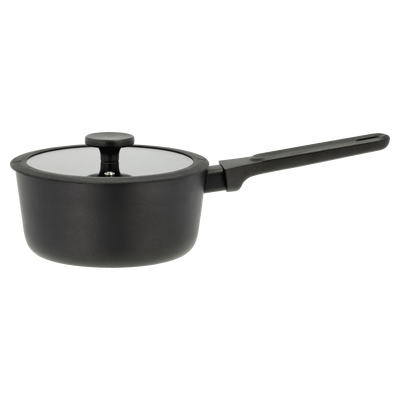
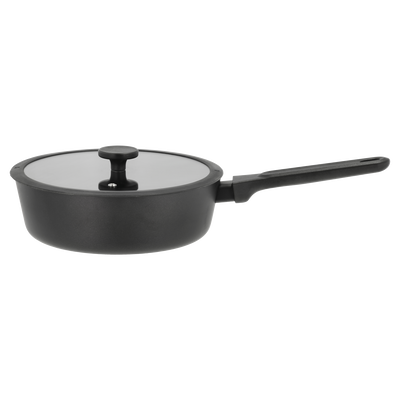
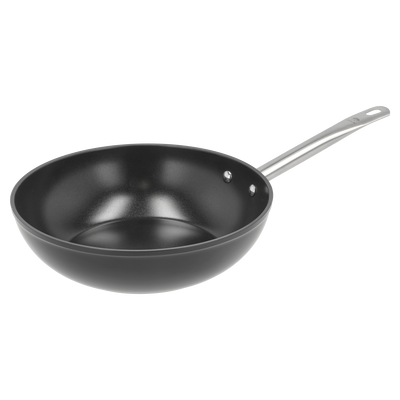
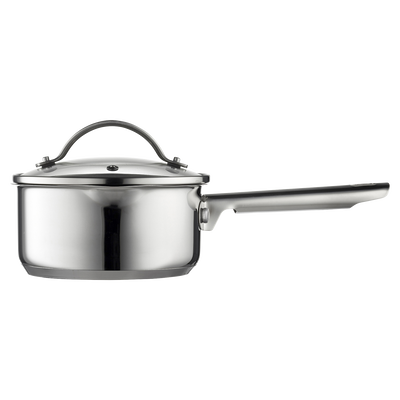
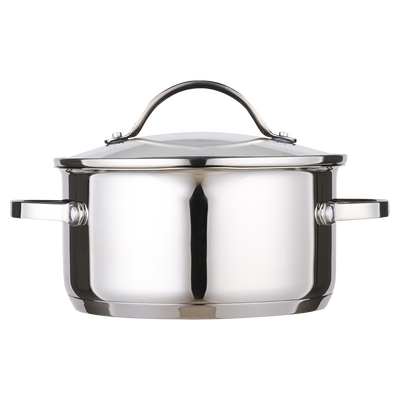
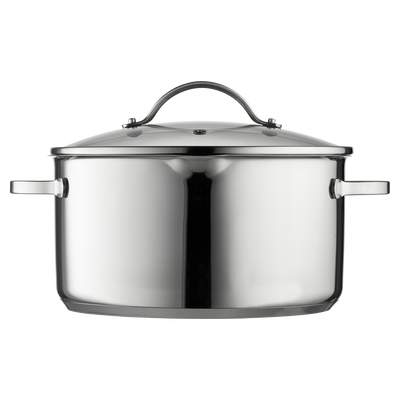
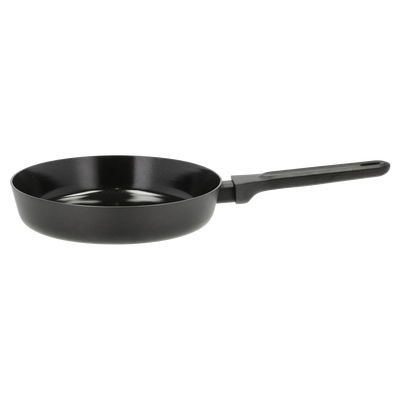
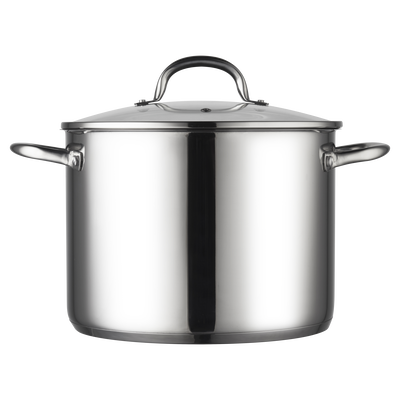
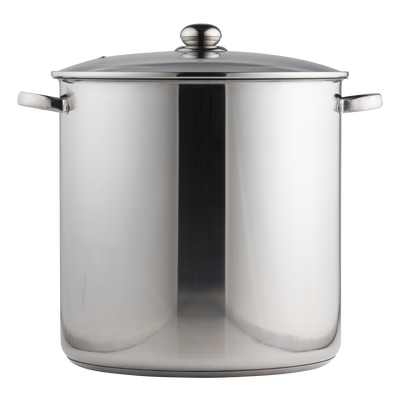
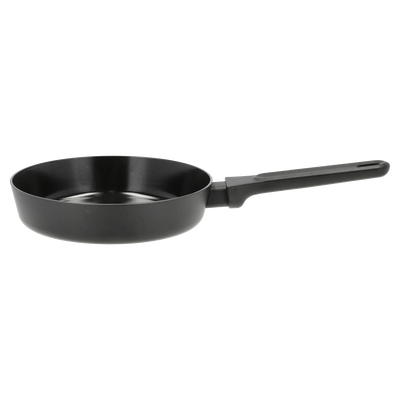
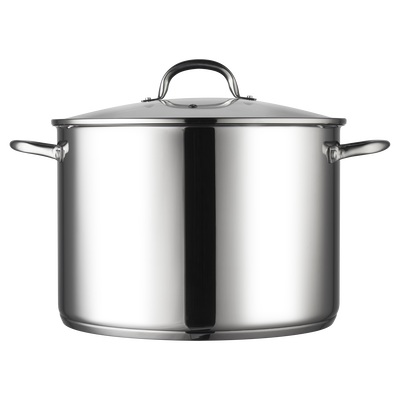
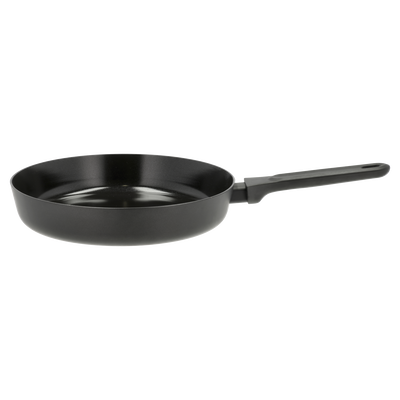
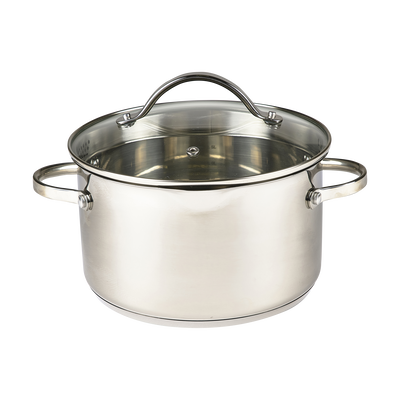
Pots and pans for different tasks
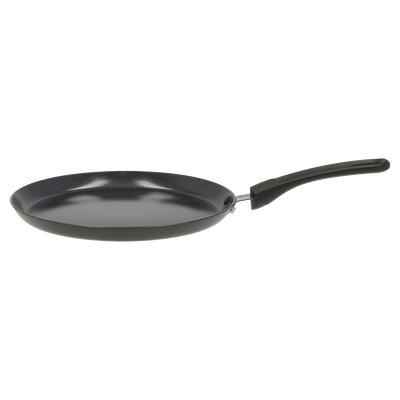
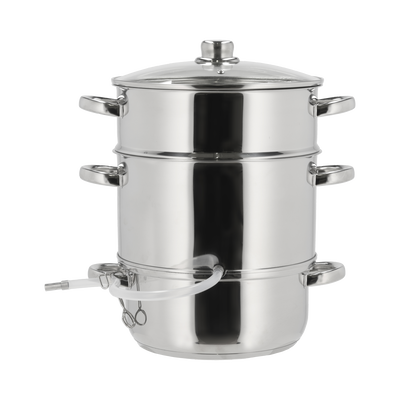
Kitchen Living Dining brings together cookware for boiling, frying and dishes that need a particular shape or depth. Among the pots, you will find classic models, soup pots, roasting pots, steam pots, pressure cookers and smaller saucepans for sauces and smaller portions. On the pan side, the range goes from standard frying pans to more specialised shapes such as saute pans, wok pans and grill pans and griddles. There are also pans for more specific purposes, including crepe pans.
When browsing this category, a practical way to choose is to start with the cooking task. If you mainly need cookware for boiling and simmering, it makes sense to focus first on pots and saucepans. If your priority is browning, quick frying or dishes that need more direct contact with the cooking surface, pans are the more relevant place to compare. From there, the next step is usually to narrow by shape, depth and size, since those differences affect how each piece works in everyday cooking.
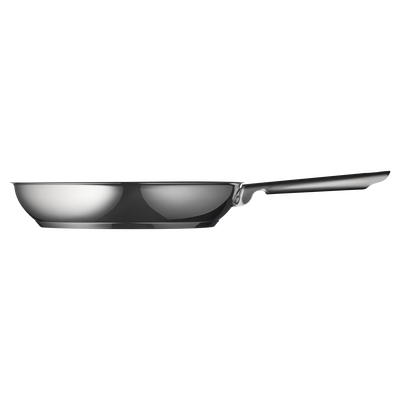
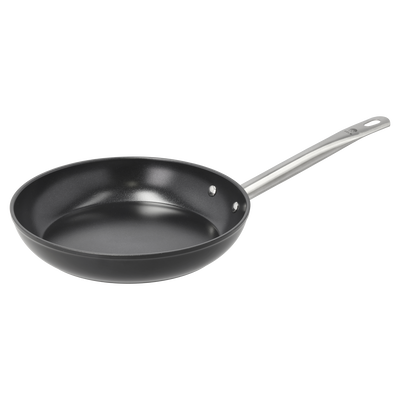
The main differences between types are especially seen in their form, height and intended use. A low frying pan gives easier access while frying, which helps when ingredients need to be turned directly on the cooking surface. A saute pan has higher sides and more room for dishes where ingredients need to be stirred, turned or left to simmer. Wok pans are made for fast frying at high heat, while grill pans stand out because of their ridged cooking surface. Pots vary in a similar way, from smaller pieces for sauce and reheating to larger pots where volume matters more than a broad frying surface.
How the category supports comparison
This page works as an overview within kitchenware, where broader choices can be narrowed into more specific product types. Some visitors already know exactly what they need, while others begin with a general need for cookware and compare options from there. That is why the category includes both everyday basics and more specialised cookware in one place. It allows you to move from a broad selection to a more focused subcategory depending on whether the deciding factor is the cooking method, size or format.
If you are comparing across several kitchen categories at the same time, it can also be helpful to continue into related parts of the range such as kitchen utensils, kitchen appliances or ovenproof. Other nearby categories in the same section include baking tools, kitchen storage, kitchen textiles, ingredients and cookbooks.
From single pieces to sets
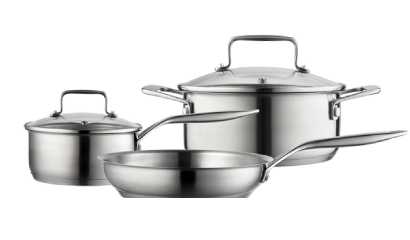
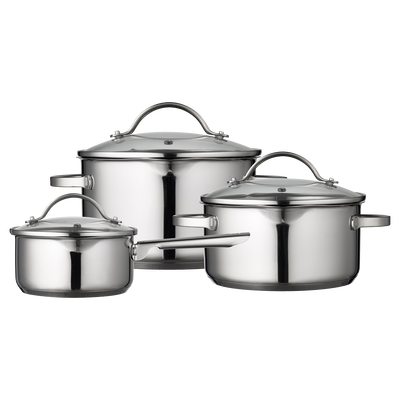
Some people are looking for one pot or one pan for a specific task, while others want several sizes collected in one solution. For that reason, this page includes both individual items and cookware sets. Sets bring together several sizes at once, which makes it easier to work with different dishes at the same time. Single pieces are more relevant when you want to add to cookware you already have rather than replace it with a full selection.
For most situations, the choice between a set and individual pieces depends on whether your main goal is coverage or precision. A set gives a broader starting point with several sizes in one category, while single items make it easier to focus on one exact need. On a webshop category page, that difference often shapes how people browse. Some start by comparing complete sets, while others move directly to a particular type once they know which format they are missing.
If your focus is on one specific type, it can be more precise to go directly to pots or saucepans. A saucepan is close to a pot, but it is often used for smaller amounts and tasks where a more compact format is practical. That makes the distinction useful when comparing products that may look similar at first glance but serve slightly different roles in the kitchen.
Moving from broad choice to specific selection
If you typically start with a broad search for Pots & Pans, this overview helps sort the category into clearer paths. The first decision is often whether you need a pot, a pan or a set. The next step is to compare specialised forms such as frying pans, saute pans, wok pans or grill pans and griddles, depending on how you cook. After that, details like material, lid type and heat source become more important. This step-by-step structure makes the category easier to use because each level removes options that are less relevant.
That also means you do not need to compare every product type at once. A broad overview is useful at the beginning, but as soon as your task is clear, moving into a narrower subcategory gives a more direct comparison between similar products. In everyday use, this makes it easier to judge the practical differences between pieces that are meant for the same kind of cooking rather than across the whole cookware range.
Materials, lids and heat sources
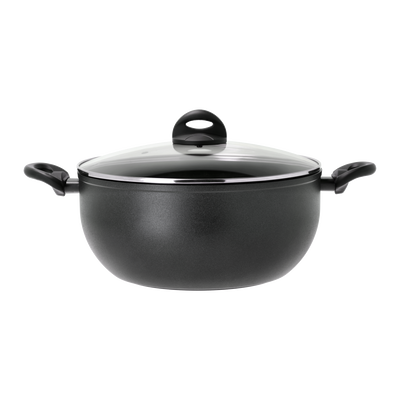
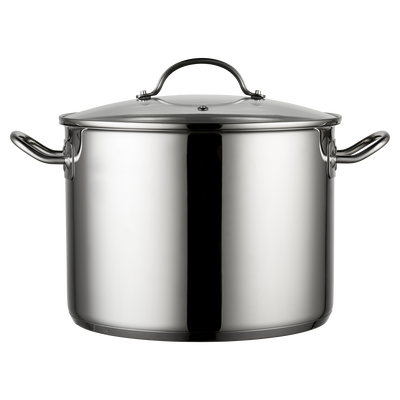
The selection includes models in cast iron and polished stainless steel. These are two clear material types within the category, and the choice affects both the look and the way the cookware is used. The page also includes pots with glass lids, where the lid type is a concrete product difference rather than just a visual detail. When comparing several options, material and lid design therefore become useful filters after you have chosen the right overall type.
For cookware used on the hob, the heat source is also a real point of difference. Some pots and pans are made for specific stove types, while others can be used on all heat sources. This is especially relevant with induction, where the material needs to work with that form of heating. Several products in this category therefore differ not only in size and shape, but also in which heat source they are suitable for.
When narrowing the range, it often helps to begin with the type of cookware you need, then check material, lid and heat source as the final selection points. That way, the category supports comparison in a practical order: first function, then format, then product details. Seen as part of the wider Pots & Pans selection within kitchenware, this makes it easier to move from a general need for cookware to a more exact choice that matches the task, the format and the heat source you use.
Frequently asked questions
How do I choose between a pot and a pan?
A practical way to choose is to start with the cooking task. If you mainly need to boil, simmer or reheat food, pots and saucepans are usually the better fit, while pans are more relevant for browning, quick frying and dishes that need direct contact with the cooking surface. In everyday use, this means that matching the cookware to the method helps you narrow the options more quickly.
What is the difference between a frying pan and a saute pan?
A frying pan is lower and gives easier access to the cooking surface, which is useful when ingredients need to be turned while cooking. A saute pan has higher sides and more room for stirring, turning and simmering. In practice, this helps you choose based on whether you need open access or a little more depth.
When would a wok pan or a grill pan be more suitable?
Wok pans are made for fast frying at high heat, while grill pans stand out because they have a ridged cooking surface. The difference is mainly in the way they are shaped and how they are used. This makes it easier to choose the right pan for the cooking method you use most often.
Should I buy a cookware set or individual pots and pans?
The choice depends on whether you want several sizes together or one specific piece for a particular task. A cookware set gives a broader starting point, while individual items are more useful if you only need to add one missing format. In everyday use, this helps you decide whether you need wider coverage or a more exact replacement.
What is the difference between a pot and a saucepan?
A saucepan is similar to a pot, but it is often used for smaller amounts and tasks where a more compact format is practical. Pots are also available in larger sizes where volume matters more. In practice, this helps you compare pieces that may look similar but are better suited to different everyday jobs.
What should I check after choosing the type of cookware I need?
Once you have chosen the right type, it helps to compare details such as material, lid type and heat source. The category includes cast iron, polished stainless steel and some pots with glass lids, so these are real product differences rather than just visual ones. This makes it easier to narrow the filtered choices in a practical order, starting with function and ending with the final details.
Why does the heat source matter when choosing pots and pans?
The heat source matters because some pots and pans are made for specific stove types, while others can be used on all heat sources. This is especially relevant for induction, where the material needs to work with that form of heating. In everyday use, this means it is sensible to check heat source compatibility before making your final choice.
How can I narrow a broad Pots & Pans search into the right choice?
A useful way to browse is to decide first whether you need a pot, a pan or a set, and then move to more specific selections such as frying pans, saute pans, wok pans or grill pans. After that, you can compare size, shape, material, lid type and heat source. In practice, this helps you avoid comparing every type at once and focus on the options that match your cooking needs.