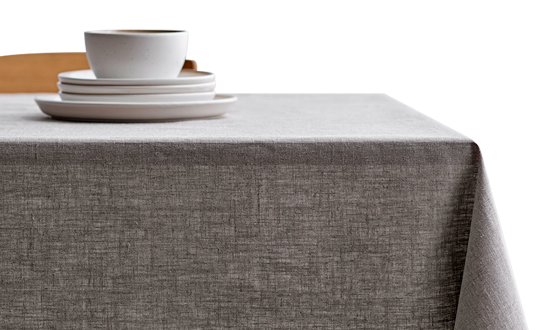
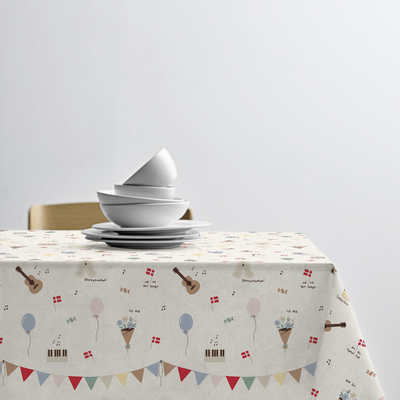
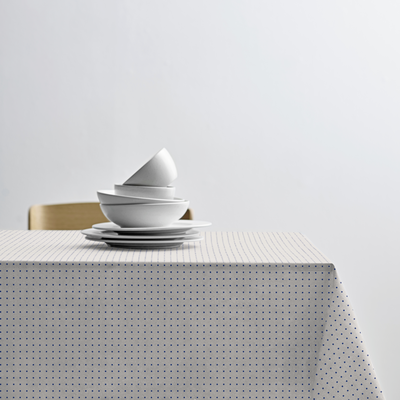
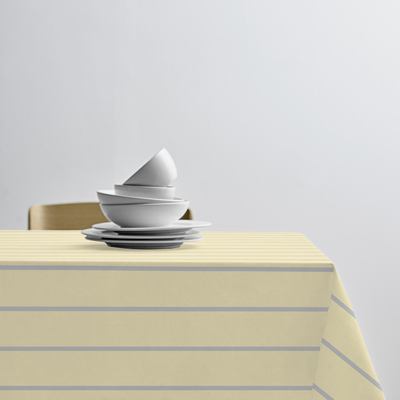
Acrylic Tablecloths. Table protection with style and function
An acrylic tablecloth combines the look of a textile tablecloth with a practical acrylic coating. It has the softness and appearance of fabric, while the surface is water-repellent, stain-repellent and easy to clean. That makes it a useful choice for both everyday tables and more formal table settings where you want a neat finish without worrying too much about marks and spills.
In this category, you will find Acrylic Tablecloths sold by the metre, so you can choose the length that fits your table. That also makes this page useful when you want to move from a broad choice, such as colour or pattern, to a more specific decision about size, finish and whether you want anti-slip backing.
FAQ. What to know before choosing Acrylic Tablecloths
When choosing among Acrylic Tablecloths, many customers compare material, care and everyday use before deciding. The questions below explain the main differences, so it is easier to narrow the selection and find the tablecloth that matches your table and how you plan to use it.
What is an acrylic tablecloth?
An acrylic tablecloth is made from fabric coated with one or more layers of acrylic. The acrylic coating helps repel water and dirt, so the table is protected from stains, scratches and wear, while the tablecloth can usually be wiped clean with a damp cloth.
Acrylic tablecloth vs oilcloth. What is the difference?
Both acrylic tablecloths and oilcloths are practical when you want a tablecloth that is easy to clean, but there are important differences.
An oilcloth has a plastic surface, which makes it fully waterproof and very easy to wipe. At the same time, it can feel stiffer and have a smoother, shinier look. An acrylic tablecloth, by contrast, is made from woven fabric, such as cotton or polyester, with a thin acrylic coating. This gives it a softer look that is closer to a classic fabric tablecloth.
A practical way to choose is to think about the finish you prefer. If you want something with a more textile look that still handles everyday spills well, Acrylic Tablecloths are often the more suitable option.
How do you wash an acrylic tablecloth?
Because the surface is water- and stain-repellent, machine washing is not often needed. If necessary, the tablecloth should be washed at a maximum of 30°C, drip dried in the shade and ironed at a maximum of 110°C.
Tumble drying, spin drying, dry cleaning and bleaching are not recommended.
Can an acrylic tablecloth be used outdoors?
Yes, it can be used outdoors because the coating repels water and dirt. It can handle moisture and light rain, and it is easy to clean if pollen or outdoor dirt gets on the surface.
However, it should not be left outside for long periods, especially in direct sunlight or heavy rain, as moisture and UV exposure can affect the colours and coating over time. If you plan to use it outdoors regularly, it is best to roll it up and store it in a dry place when not in use.
Is an acrylic tablecloth waterproof?
An acrylic tablecloth is water-repellent, but not 100% waterproof. Liquids will bead on the surface and can usually be wiped away, which helps protect the table from spills and stains.
With longer contact, however, moisture can work through, especially around seams or edges. If you need a fully waterproof surface, an oilcloth may be the better match. For most situations, Acrylic Tablecloths are chosen because they balance easy care with a fabric-like appearance.
How do you remove stains from an acrylic tablecloth?
Acrylic Tablecloths are stain-repellent, but marks can still happen. In everyday use, it helps to wipe spills away straight away with a damp cloth and mild washing-up liquid. Avoid rubbing too hard, as this may damage the coating.
If the stain remains, use a soft brush and a little soap carefully. If washing is needed, most acrylic tablecloths can be washed at up to 30°C on a gentle programme. Avoid spin cycles, tumble drying and bleach. If the coating needs refreshing after washing, ironing on the reverse at low heat, up to 110°C, can help reactivate the acrylic coating.
How to choose the right acrylic tablecloth
An acrylic tablecloth is popular because it combines a neat appearance with practical use. It looks closer to a traditional textile tablecloth than an oilcloth, while still being easier to maintain than many fabric-only options. It also helps complete the overall table setting and can support the atmosphere you want to create at the table.
When comparing Acrylic Tablecloths on a webshop, most shoppers move through a few practical choices before deciding:
Size and length: Since many are sold by the metre, you can choose a length that suits your table more precisely. A common guideline is to allow a drop of 15 to 30 cm over the table edges for a balanced look.
Design and colour: Some prefer a plain tablecloth for a more classic look, while others choose patterns to give the table more character. Comparing colours and patterns side by side can make it easier to narrow the range.
With or without anti-slip backing: A tablecloth with anti-slip backing sits more securely on the table and can be especially useful on smooth surfaces.
Intended use: If the tablecloth is for regular use, many people look first at practical surfaces and patterns. If it is mainly for more dressed table settings, a plain or textured finish may feel more suitable.
An acrylic tablecloth can also be a practical choice if you want to cover a worn or marked tabletop.
Compare acrylic tablecloths with other tablecloth types
If you are still deciding, it can help to compare this category with the wider selection of tablecloths. From there, you can see how Acrylic Tablecloths differ from other materials and finishes.
If you prefer a more classic woven look, damask tablecloths are another option. If you want a more traditional textile feel without acrylic coating, you can also compare with fabric tablecloths. Looking across these categories is often the easiest way to move from a broad idea to the material and finish that best suits your table.
Complete the table setting
Once you have chosen a tablecloth, the next step is often to consider the rest of the table setting. If you want to coordinate colours or create a more finished look, cloth napkins can be a natural addition alongside Acrylic Tablecloths.
Some shoppers prefer to match the tones of the tablecloth and napkins for a more cohesive look, while others choose contrasting colours to create more variation at the table. In a webshop category structure, these related categories make it easier to compare not just one product type, but the overall look and function of the table setting.
Lengths and fit
Many tablecloths are chosen by size first, then by design. Acrylic Tablecloths in this range are sold by the centimetre, which means the length is cut to suit the measurement you need. You can also compare with standard tablecloth sizes in the wider assortment, including 140 x 180 cm, 140 x 220 cm, 140 x 270 cm, 140 x 320 cm and 140 x 370 cm.
For a neat drape, the tablecloth generally looks best with a drop of 15 to 30 cm at each end. Measuring the table first makes it easier to compare options and choose the right length from the start.
Frequently asked questions
What is an acrylic tablecloth?
An acrylic tablecloth is a woven fabric tablecloth with one or more layers of acrylic coating on the surface. In everyday use, this means it keeps a softer, more textile-like look while helping repel water, dirt and everyday marks.
What is the difference between an acrylic tablecloth and an oilcloth?
An oilcloth has a plastic surface and is fully waterproof, while an acrylic tablecloth is fabric with a thin acrylic coating. In practice, this helps you choose between a more plastic, wipe-clean finish and a softer fabric look that still handles spills well.
Is an acrylic tablecloth waterproof?
An acrylic tablecloth is water-repellent rather than completely waterproof. In everyday use, this means liquids will usually bead on the surface and can be wiped away, but moisture may work through if left for longer.
Can an acrylic tablecloth be used outdoors?
Yes, an acrylic tablecloth can be used outdoors because the coating helps repel water and dirt. In practice, this means it works well for occasional outdoor meals, but it is best rolled up and stored in a dry place when not in use, especially after sun or rain exposure.
How do you clean and wash an acrylic tablecloth?
Most of the time, an acrylic tablecloth can be cleaned with a damp cloth because the surface is water- and stain-repellent. If washing is needed, it should be washed at up to 30°C, drip dried in the shade and ironed at up to 110°C, which makes it easier to care for without damaging the coating.
How do you remove stains from an acrylic tablecloth?
It helps to wipe spills away straight away with a damp cloth and mild washing-up liquid. In practice, this means acting quickly can stop marks from settling, and if needed you can use a soft brush and a little soap carefully without rubbing too hard.
How do you choose the right size acrylic tablecloth?
Many acrylic tablecloths are sold by the metre or cut by the centimetre, so you can choose a length that suits your table more precisely. This makes it easier to get a balanced fit, and a common guide is to allow a drop of around 15 to 30 cm over the edges.
What should you compare when choosing between acrylic tablecloths online?
It helps to compare length, colour or pattern, whether there is anti-slip backing, and how you plan to use the tablecloth. In everyday use, this makes it easier to narrow the filtered choices and find an option that suits both your table and the look you want.