

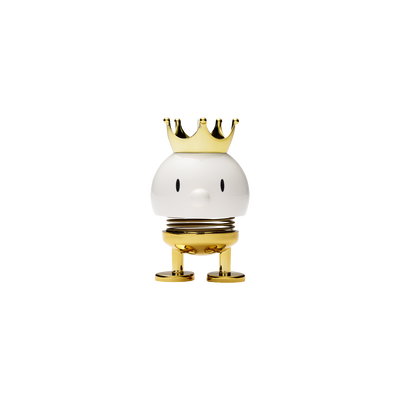
Figurines and sculptures as part of the interior
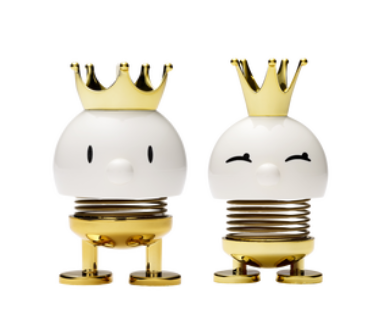
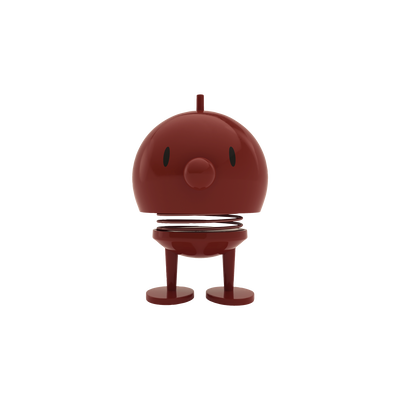
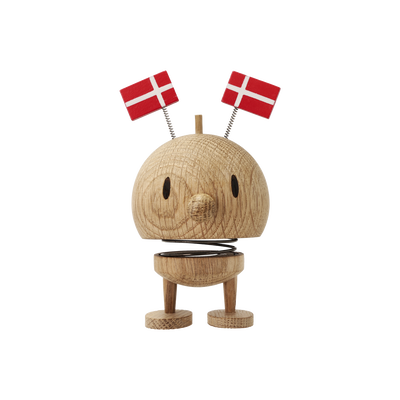
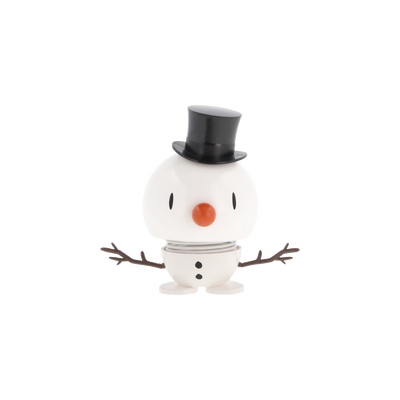
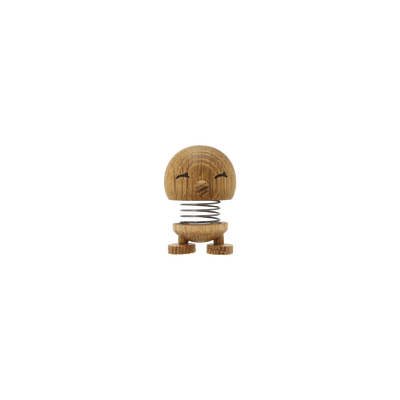
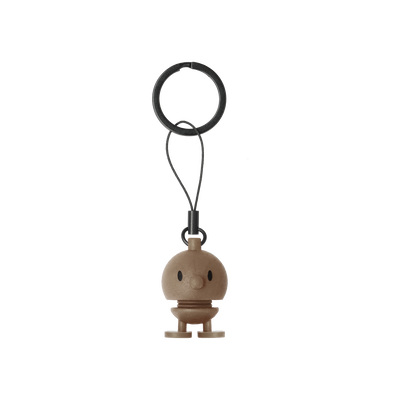
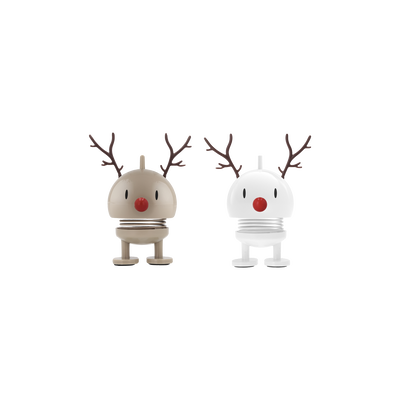
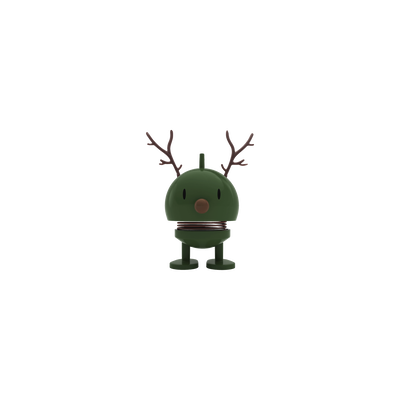
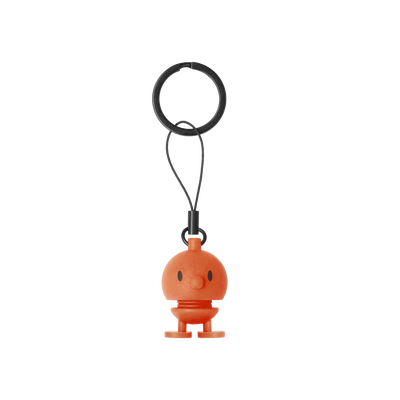
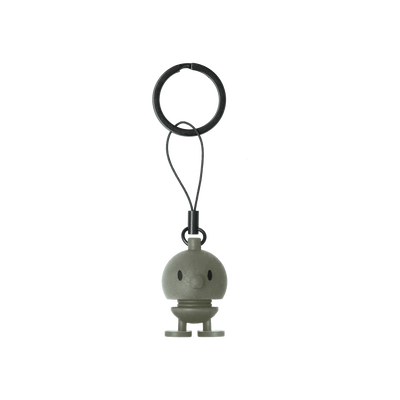
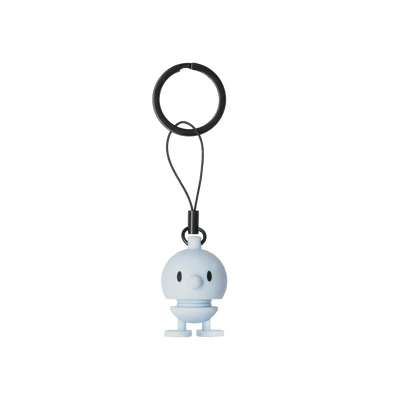
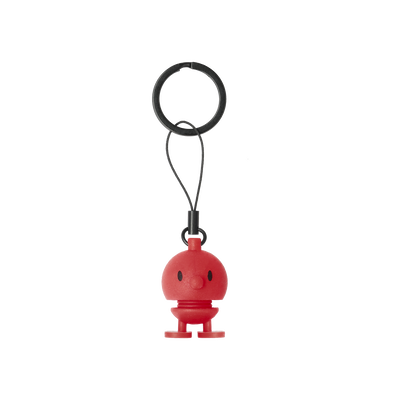
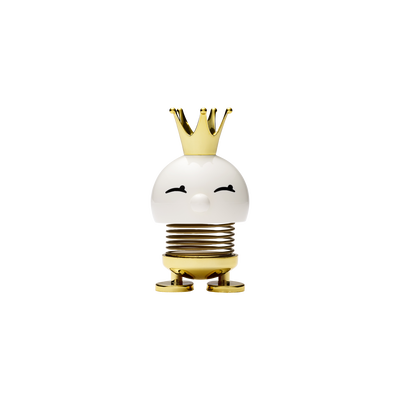
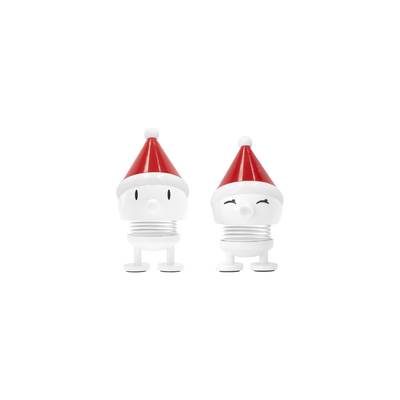
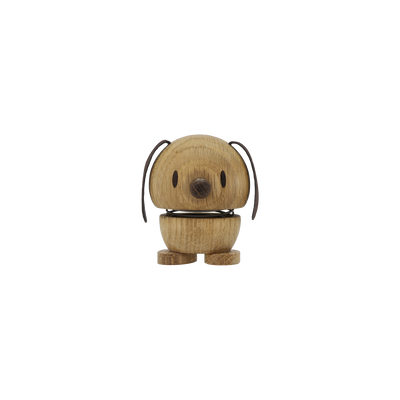
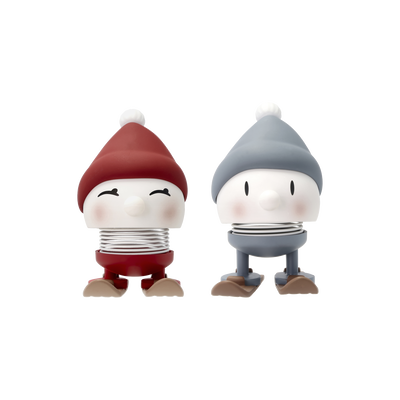
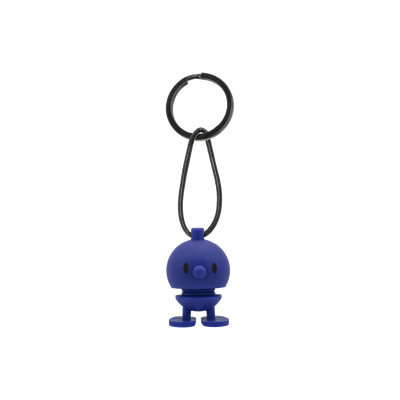
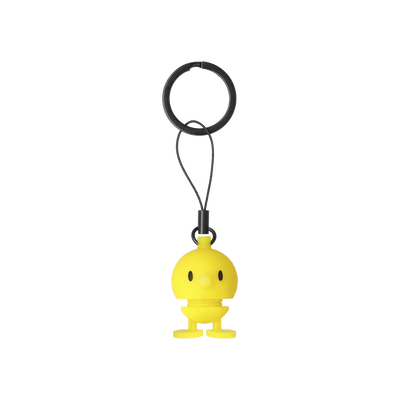
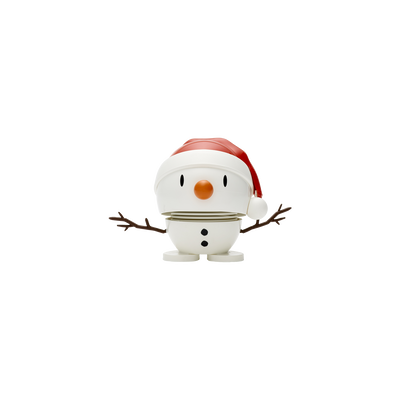
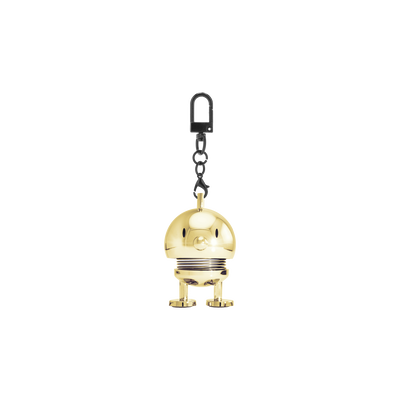
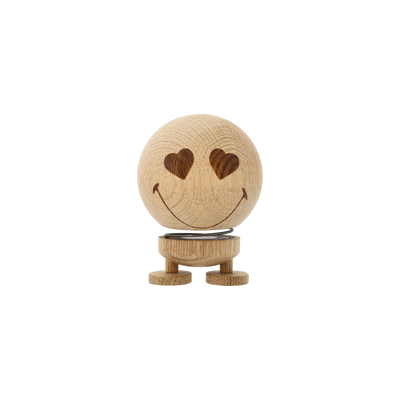
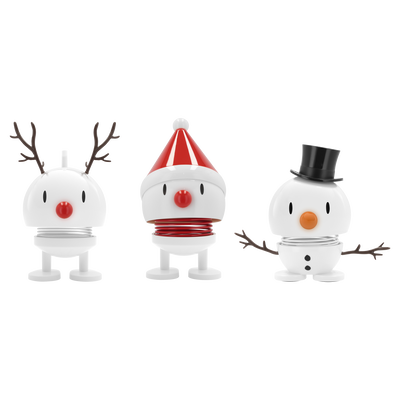
Figurines and sculptures are used as decorative elements where the form itself carries the expression. They differ from more functional interior products because their main role is to add visual character to a surface, a shelf or a styled arrangement. Some work well as distinct elements on their own, while others are better suited to a group of objects in different heights and sizes.
In the home, they are often placed where you want a calmer or more personal look. This may be on a side table, a windowsill, a sideboard or as part of open shelving. That is why they fit naturally within home decor and more specifically within decor and interior, where the focus is on the objects that help shape the overall look of a room.
When browsing this category, many people start by looking at where the piece will be placed. A figurine for a narrow shelf is usually assessed differently from a sculpture for a table or sideboard. From there, it becomes easier to compare size, outline and how much visual space each piece takes up. This makes the category useful when you want to move from a broad decorative choice to something more specific that suits an existing arrangement.
The differences are mainly in form, size and placement
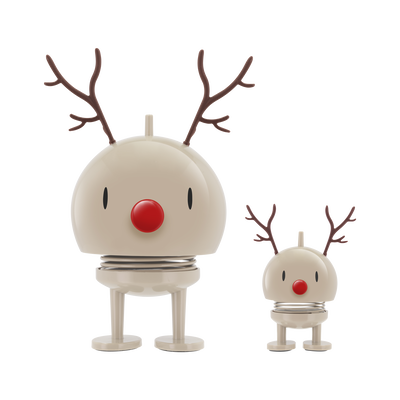
Within figurines and sculptures, the main differences are usually found in expression and proportion. Some designs appear simple and understated, while others have more visual weight and work as a clear focal point. Size also matters in how they are used in the interior. Smaller figurines often fit naturally into groups with other decorative objects, while larger sculptural forms are more likely to stand alone.
Placement also changes how a piece is experienced. On a narrow shelf or in a bookcase, height and silhouette are often more important than width. On a table or sideboard, figurines are typically seen together with other items around them. In everyday use, the difference is not only about motif or style, but also about how much space the form occupies in the room and whether it should become part of an existing display or stand more independently.
A practical way to choose is to begin with the setting. If you are styling a shelf, it often helps to compare upright shapes and pieces with a clear outline. If the figurine or sculpture will be placed on a broader surface, it can be easier to look at how the form relates to nearby objects. This category supports that process by letting you compare pieces as decorative forms rather than by function.
Users also often narrow their choice by deciding whether they want one distinct object or several smaller elements that work together. A single sculpture can create a strong visual pause in an arrangement, while a smaller figurine can help tie different objects together. For most situations, that distinction is one of the clearest ways to move through the category and decide what suits the space best.
How figurines and sculptures work with other decoration
Figurines and sculptures are often used together with other types of interior decoration. If you want to build a display using several decorative elements, they can be combined with products from decor, vases or dishes and bowls. Where figurines and sculptures mainly add form, these categories can add variation in surfaces, openings and volume.
If you typically build displays from several types of objects, it can be helpful to compare how closed and solid shapes from this category work beside items with more open or rounded forms. That makes it easier to create variation without moving away from the overall look you want. On a webshop, this also helps you move from one category to another in a more deliberate way, depending on whether you are primarily looking for shape, height or contrast in the arrangement.
If the focus is instead on the wall or on more functional decoration, it may be relevant to look at frames and posters or mirrors. Here, the distinction between freestanding decoration and elements that work directly with the wall surface becomes clearer. For some interiors, that comparison helps define whether the room needs an object placed on a surface or a decorative element that changes the wall itself.
Other related categories can also be relevant depending on the role the object should play in the room. If the aim is to add soft points of light or create a display with several standing objects, candlesticks and tealight holders and lanterns can be natural alternatives or additions. If you are comparing more practical wall-based details, bulletin boards and accessories, hooks and coat racks and wall and alarm clocks show a different side of decor and interior, where the object is more directly linked to placement and everyday function.
There are also situations where the surrounding elements matter as much as the figurine or sculpture itself. If a display needs softer shapes or a more natural transition between objects, flower pots and planters may be relevant to compare with. If the aim is to structure open shelving or combine decorative objects with storage, storage baskets can help define the difference between purely visual decoration and pieces that also organise a surface.
Choosing within the category
When comparing figurines and sculptures, it often helps to move from general placement to more specific visual qualities. Start with where the piece will stand, then consider whether it should blend into a wider arrangement or hold attention on its own. After that, height, silhouette and proportion usually become the clearest points of comparison.
For shelves and bookcases, narrower or more upright forms are often easier to place. For larger surfaces, broader or more sculptural shapes may feel more balanced. If you are placing several items together, comparing different sizes can make it easier to build variation without losing coherence. If you are choosing a single object, the overall outline usually becomes more important than small details.
This category supports a simple browsing process: first by helping you identify figurines and sculptures as freestanding decorative forms, and then by making it easier to compare how different pieces work in relation to surfaces, surrounding objects and the room as a whole. That is often the most practical way to find the right decorative element when the goal is not function, but form, proportion and visual presence.
Frequently asked questions
What is the difference between figurines and sculptures in home decor?
Figurines and sculptures are both freestanding decorative objects, but they are often compared by form, size and visual presence rather than by function. In everyday use, this means that a smaller figurine may suit a grouped display, while a larger sculpture may work better as a single focal piece.
How do I choose between a figurine and a sculpture for my space?
A practical starting point is to look at where the piece will be placed and how much visual space it can take up. In practice, this helps you decide whether you need a narrower object for a shelf or a broader sculptural form for a table or sideboard.
What should I look at first when browsing figurines and sculptures online?
It often helps to begin with placement before comparing style or motif. This makes it easier to narrow your options by size, silhouette and proportion, so you can focus on pieces that suit your existing arrangement.
Are smaller figurines or larger sculptures better for shelves?
For shelves and bookcases, narrower or more upright forms are often easier to place because height and outline matter more than width. In everyday use, this means that smaller figurines or slim sculptural pieces can fit more naturally without taking over the whole display.
Should I choose one statement piece or several smaller decorative objects?
That depends on the role you want the object to play in the room. In practice, one distinct sculpture can create a clear visual pause, while several smaller figurines can help connect other objects and build variation within a display.
How do figurines and sculptures work with other decorative objects?
They are often combined with items such as vases, dishes, bowls or other decor to create variation in shape and volume. This makes it easier to build a balanced arrangement by mixing solid forms with objects that feel more open, rounded or spacious.
When should I choose a figurine or sculpture instead of wall decor?
Figurines and sculptures are best suited to surfaces such as shelves, sideboards, tables and windowsills, where they work as freestanding forms. In everyday use, this means they are a better fit when the room needs an object placed on a surface rather than something that changes the wall itself.
What details matter most when comparing figurines and sculptures?
Height, silhouette, proportion and overall outline are usually the most useful points of comparison. In practice, this helps you judge how a piece will relate to nearby objects and whether it will blend into a display or stand more independently.