What are flower pots and planters?
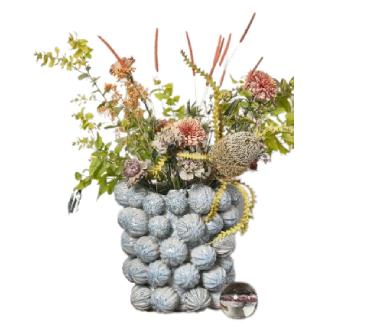
Flower pots and planters are round or cylindrical containers made from clay, glass, porcelain, woven natural materials and similar materials. Some pots also come with a lid and one or two handles. In the home, they can be used for different purposes, depending on their shape and design.
On a webshop page like this, it is often easiest to start with function. Some pieces are mainly decorative, some are made for plants and herbs, and some can also be used for storing small items. From there, you can compare size, shape, colour and material to find the right match for the room where they will be placed.
What is a pot used for?
There are different types of pots, and they can be used for storing small objects, as decoration, or for flowers. The use depends on the shape of the pot. Larger pots work well on the floor, while smaller pots suit tables, windowsills and shelves.
A practical way to choose is to begin with placement. If you want to fill floor space in a hallway, living room or bedroom, a larger pot can create a clear decorative focal point. If you are looking for something for a table, shelf or windowsill, smaller sizes are usually easier to place and combine.
You can also mix sizes, shapes, colours and materials to create a still life with more variation. If you want to build a broader display, flower pots and planters can be combined with vases, decor and figurines and sculptures to create a more layered arrangement.
What is a planter used for?
A planter is used for houseplants and herbs, and it may come with or without a saucer. Planters make it easy to bring greenery into the home while also contributing to the overall look of the room.
When browsing the category, one useful way to narrow your choice is to think about what you are placing in it. Houseplants and herbs often call for a different size and visual style than a planter chosen mainly for decoration. You can also compare whether you prefer a simple shape or a more colourful finish, depending on how visible the planter will be in the room.
If you like colour, the planters from BITZ are a clear option. They are made of stoneware and glazed in a wide range of colours. Each product has its own expression with variations created by a special glazing technique.
Plants are good for the indoor climate
Plants have many qualities that benefit both you and your home. They are decorative, bring life to the interior and have a calming effect. In addition, plants increase our production of happiness hormones and help clean the air in the home of dust particles, CO2 and other harmful substances.
For most situations, this is one reason people explore flower pots and planters beyond their decorative role. Choosing planters for several rooms can help you create a consistent look while also spreading greenery throughout the home. If you want to support a healthy indoor environment even further, you can also look at home decor together with other solutions for the home, and continue within decor and interior to compare related decorative categories.
Decorate the home with flower pots and planters
By placing plants and flowers in different rooms, you can create a common thread in your interior. Flower pots and planters are suitable for both larger and smaller spaces, and they make it easier to repeat colours, materials or shapes from one room to another.
When comparing products online, many people move from broad choices to more detailed ones. You might first decide between a pot and a planter, then choose the room, then compare size, colour and material. That process makes it easier to filter out options that are too large, too small or not suited to the style you are building.
Create life in the living room, hallway and bedroom
Large flower pots and planters can be placed on the floor in the hallway, living room or bedroom and make use of floor space. Smaller pots and planters fit well on tables, windowsills and shelves, where they can decorate with or without plants.
If you are putting together a room in stages, it can help to combine them with other decorative elements. Alongside pots and planters, you can explore candlesticks and tealight holders, lanterns, mirrors and frames and posters if you want to coordinate surfaces and walls in the same area.
Herbs in the kitchen
In the kitchen, herbs can be placed on the windowsill and used in cooking. Fresh herbs suit many different dishes and add flavour and freshness.
In everyday use, kitchen styling often works best when decorative and practical items are balanced. If you want a more organised kitchen, you can combine planters with dishes and bowls for display on open surfaces, or use storage baskets nearby to help keep everyday items in order. This can make it easier to create a kitchen that feels tidy and easy to navigate.
A green oasis in the bathroom
In the bathroom, storage pots can be used to organise everything from jewellery to cotton buds and cotton pads, so they are easy to find. They can also be used simply as decoration.
If you want a more coherent look, choose green plants that can tolerate moisture and pair them with planters that match the colours of the bathroom. You can also add nearby details such as hooks and coat racks for practical wall use, or use wall and alarm clocks and bulletin boards and accessories in nearby rooms if you are working across several spaces with a shared interior style.
Find flower pots and planters as part of your home decor
The home is an important place, and interior choices help shape how each room feels. Flower pots and planters can be part of that in a simple way, whether you use them for plants, flowers, storage or decoration.
As you browse the category, it helps to compare products in a practical order: start with purpose, then placement, then size and finish. That gives a clearer overview and makes it easier to decide between decorative pots, plant planters and pieces that can also be used for storage. If you want to continue exploring related categories, you can move through the wider home assortment via home decor and then browse more options in decor and interior.
Frequently asked questions
What is the difference between a flower pot and a planter?
A flower pot can be decorative, used for flowers, or used to store small items, depending on its shape and design. A planter is mainly used for houseplants and herbs and may come with or without a saucer. In practice, this helps you choose based on whether you need a decorative container, a plant container, or something that can do both.
How do I choose the right flower pot or planter for my home?
A practical way to choose is to start with purpose, then think about where it will be placed, and then compare size, shape, colour and material. Larger pieces often suit floor placement, while smaller ones are easier to use on tables, shelves and windowsills. This makes it easier to narrow down filtered choices that fit both the room and the intended use.
Which size pot or planter should I choose?
The size depends mainly on where you want to place it and what you want to use it for. Larger pots and planters work well on the floor in spaces such as hallways, living rooms and bedrooms, while smaller ones suit tables, shelves and windowsills. In everyday use, this means you can begin with the available space before comparing narrower options.
Can flower pots be used for anything other than plants?
Yes, some pots can also be used for storing small objects or simply as decorative pieces. The exact use depends on the shape of the pot, and some designs are better suited to display while others are more practical for storage. In practice, this helps you choose items that work both as decoration and for everyday organisation.
How can I use flower pots and planters in different rooms?
They can be used in living rooms, hallways and bedrooms to add decoration and make use of floor space or surfaces such as shelves and windowsills. In the kitchen, planters can hold herbs, and in the bathroom, storage pots can help organise small items such as cotton pads or jewellery. This makes it easier to create a consistent look while adapting the use to each room.
What should I think about when choosing a planter for herbs or houseplants?
It helps to begin with what you plan to place in the planter, because herbs and houseplants may need a different size and look than a planter chosen mainly for decoration. You can also compare whether you prefer a simple shape or a more colourful finish, depending on how visible it will be in the room. In everyday use, this means the planter can support both the plant and the overall style of the space.
How can I combine flower pots and planters with other home decor?
You can mix sizes, shapes, colours and materials to create a more varied display. They can also be combined with items such as vases, decor, figurines, candlesticks or lanterns to build a more layered arrangement. In practice, this helps you repeat colours or materials across a room and create a clearer visual connection between different decorative elements.
How do I browse flower pots and planters more easily on a webshop?
It is often easiest to compare products in a practical order by starting with function, then placement, then size and finish. This gives a clearer overview of whether you are looking for a decorative pot, a planter for greenery, or a piece that can also be used for storage. This makes it easier to sort through more specific selections without getting distracted by options that do not match your needs.