Save 30%
Save 30%

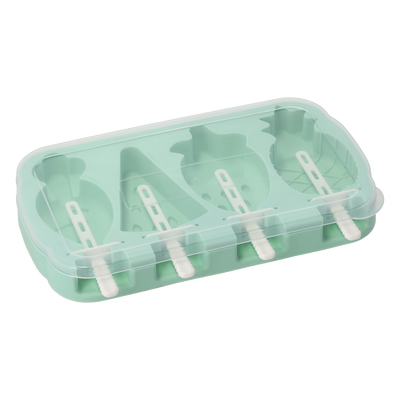
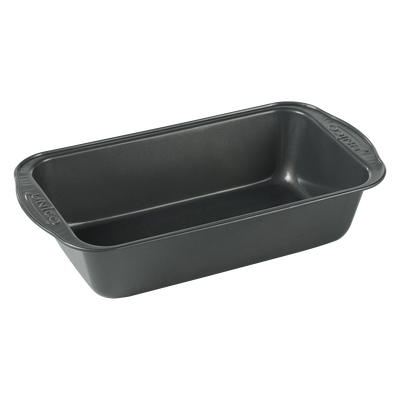
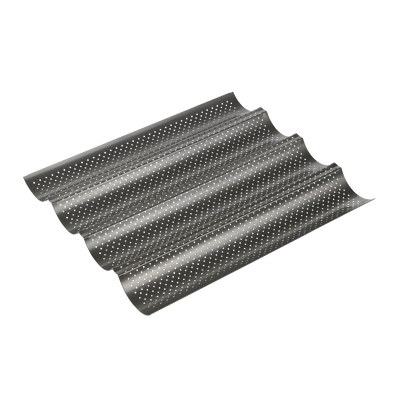
A wide range of cake pans and baking moulds
Baking pans serve both a practical and a visual purpose. They help keep the batter or dough in place so it stays neatly in shape during baking, and they also help create the finished look. On this page, you can explore Cake Pans for many different types of baking, from simple everyday loaves to celebration cakes and shaped bakes.
If you are choosing between several options, a practical way to start is by looking at what you want to bake. Some pans are made for bread and loaf cakes, while others are better suited to layer cakes, ring cakes, mousses or smaller individual bakes. Shape is often the first step. Then material and special features such as a removable side, lid or adjustable design help you narrow it down further.
In the wider kitchenware range, this category sits within our selection of baking tools, where you can compare pans and moulds with other baking essentials. If you are preparing dough or batter from scratch, it can also be useful to look at mixing bowls, kitchen scales and dough scrapers as part of the same process.
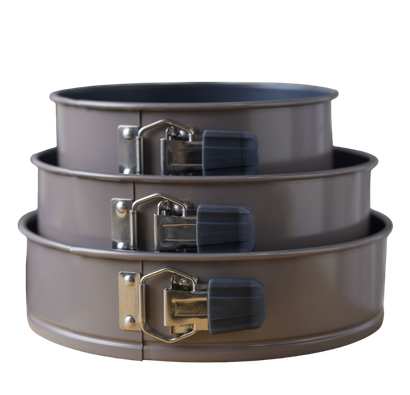
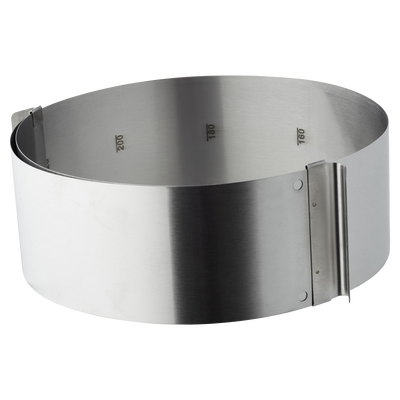
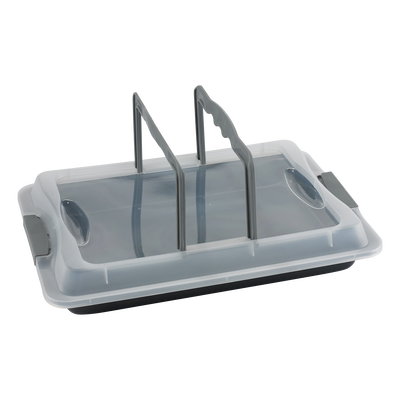
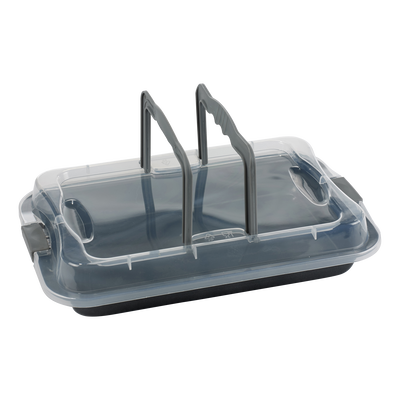
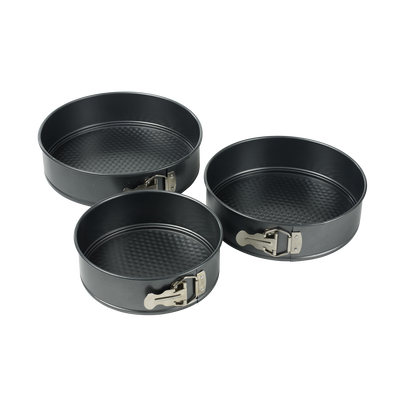
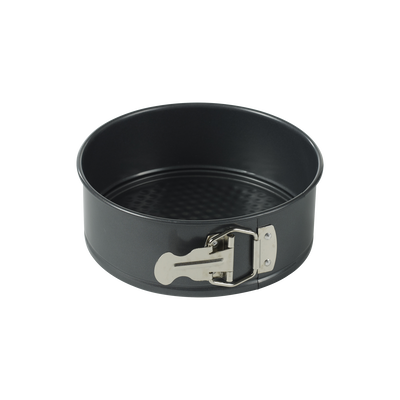
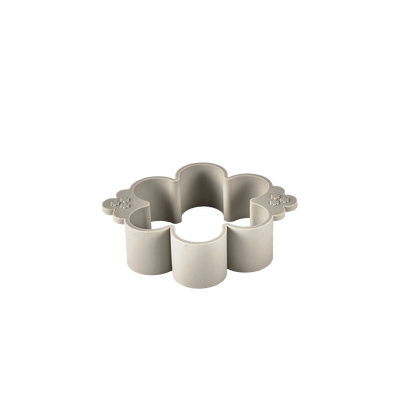
The assortment includes many different types, such as pudding moulds with lids, kransekage moulds, ring moulds, springform pans, round cake pans, cake rings, square baking pans, silicone moulds, loaf cake tins, adjustable baking pans, shaped cake moulds, baking pans for air fryers and muffin pans. Looking through the category by bake type makes it easier to compare similar options instead of starting with the full range at once.
Function is the key consideration. Some bakers prefer a pan with a lid, while others want a metal pan or a flexible silicone mould. In most situations, the best choice depends on the result you want and the kind of recipe you use most often.
Choosing the right pan for bread, cakes and everyday baking
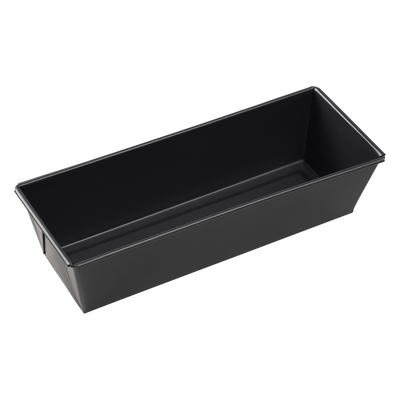
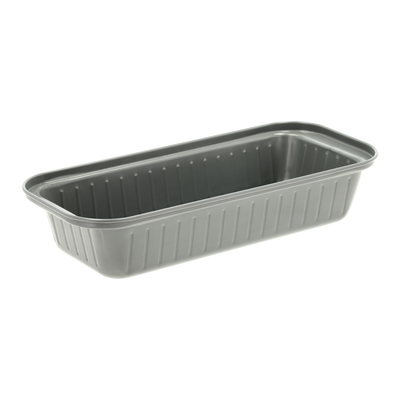
If you are baking bread for the breakfast table, a loaf tin is often essential. It helps support the dough and gives the bread its final shape. This applies whether you are making rye bread or a more classic loaf. Users often move from broader cake and baking moulds to more specific shapes once they know what they bake most frequently.
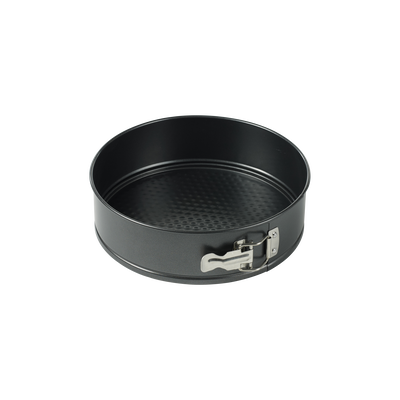
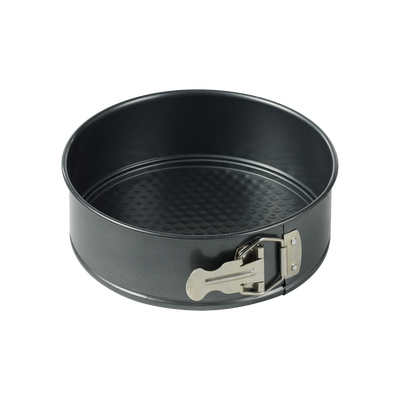
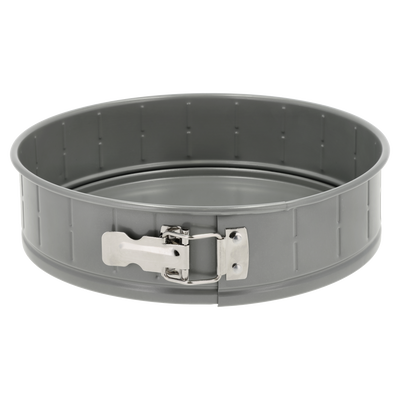
For cake baking, round pans and springform pans are common starting points because they work for many classic recipes. A springform pan can be a practical choice when you want to release the cake more easily after baking. Square pans, ring moulds and cake rings suit other types of recipes and presentations, so comparing the shape with the finished result is often the clearest way to choose.
If you are looking beyond standard cake pans, you may also want to compare with related categories. For pastries and dough work, rolling pins and pastry bags can be relevant additions. If your baking includes tart or quiche recipes, you can continue to flan and quiche dishes for a more specific shape and purpose.
Silicone moulds for smooth release and cold desserts
If you enjoy making cakes with soft mousses or desserts that need a clean finish, a silicone mould can be a useful option. The material makes it easy to turn out the cake while it is still very cold, which helps preserve the shape before serving. This is one reason why silicone moulds are often chosen for bakes and desserts where appearance matters as much as the bake itself.
Silicone moulds do not need to be greased with oil or butter. The surface helps the cake release easily from the mould. If you want a very crisp outer surface, you can add a little butter, depending on the finish and taste you have in mind.
Common questions about silicone moulds
Do silicone moulds need greasing? Professional silicone baking moulds do not need greasing with oil or butter, as the surface helps the bake release easily.
How should silicone moulds be cleaned? Hand washing is the best option. Although silicone moulds can technically go in the dishwasher, it is not recommended, as dishwasher detergent can dry out the silicone over time. After cleaning, the mould can be dried by hand or placed in a warm oven at 100 degrees for 10 minutes to remove excess moisture.
Can you bake directly in silicone moulds? Yes, silicone moulds can be used directly for baking. They are suitable for cakes, bread, rye bread and other baked goods. They are also suitable for ice and mousses, so they work for both high-temperature baking and cold desserts. If you are mainly making frozen desserts or iced shapes, it may also be useful to look at ice moulds alongside silicone options.
Shaped cake pans and smaller moulds for special occasions
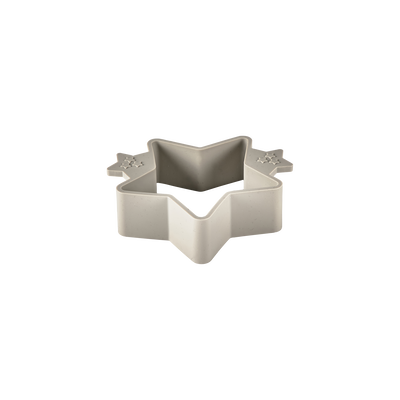
For birthdays and other occasions, shaped cake pans can make the finished bake more playful and decorative. If you are browsing this category for a specific event, it often helps to filter your choice by shape first and then by size or material. That makes it easier to compare classic tins with figure-shaped moulds and other decorative options.
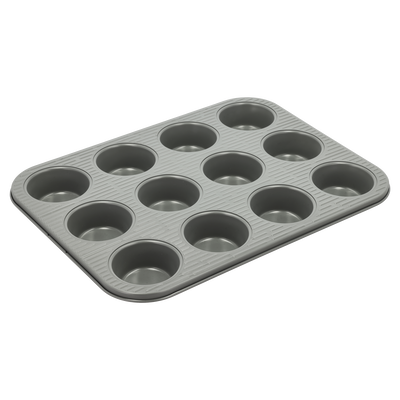
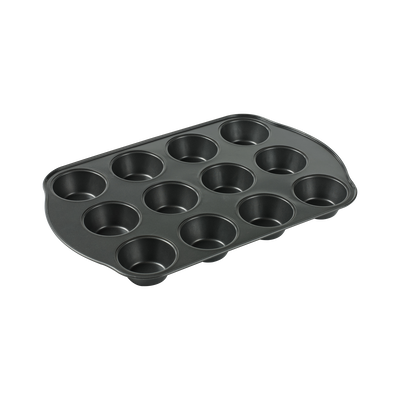
For smaller bakes, you can continue to muffin pans, which are useful when you want to make individual cakes. If you are making biscuits or shaped dough pieces, cookie cutters are a natural next step. If you would like to make filled chocolates or decorative chocolate details, you can explore chocolate moulds.
For preparation and finishing, many users also combine cake pans with other tools from the same baking selection. Depending on the recipe, baking mats can support baking tasks that do not require a tin, while other baking tools can help when you need something more specific.
Explore cake pans as part of a wider baking setup
When users shop this category online, they often begin with a broad need such as a cake pan, then narrow the selection by recipe, shape and material. That is why this page brings together many different pan types in one place, making it easier to compare what each one is best suited to. Whether you are looking for a simple loaf tin, a springform pan, a silicone mould or a shaped pan, the category helps organise the choice by practical use.
Once you have chosen the right pan, it can be useful to continue through the wider baking assortment to complete the rest of your setup. From measuring and mixing to shaping and decorating, related categories help you move from broad planning to the more specific tools that support the same bake.
Frequently asked questions
How do I choose the right cake pan for what I want to bake?
A practical place to start is with the type of bake you want to make, such as bread, layer cakes, ring cakes, mousses or small individual bakes. In everyday use, this means that shape usually comes first, and then you can narrow your choice by material or features such as a removable side, lid or adjustable design.
What is the difference between a round cake pan and a springform pan?
Both are commonly used for cake baking, but a springform pan can be especially practical when you want to release the cake more easily after baking. In practice, this helps you remove the cake with less handling, while a standard round pan is a simple option for many classic recipes.
When is a loaf tin the right choice?
A loaf tin is often the right option when you are baking bread or loaf-style cakes, because it supports the dough or batter during baking and gives it its final shape. In everyday use, this means it can be useful for rye bread as well as more classic loaves.
Why would I choose a silicone mould?
A silicone mould can be useful for cakes with soft mousses or desserts that need a neat finish, because it makes it easier to turn them out while they are still very cold. In practice, this helps preserve the shape before serving, which is especially useful when appearance matters.
Do silicone moulds need greasing before baking?
Silicone moulds do not need greasing with oil or butter, because the surface helps the bake release easily from the mould. In everyday use, this means you can often bake directly in the mould, although a little butter can still be added if you want a crisper outer finish.
How should silicone moulds be cleaned?
Hand washing is the recommended way to clean silicone moulds, even though they can technically go in the dishwasher. In practice, this helps avoid dishwasher detergent drying out the silicone over time, and after washing you can dry the mould by hand or place it in a warm oven at 100 degrees for 10 minutes to remove excess moisture.
Can you bake directly in silicone moulds?
Yes, silicone moulds can be used directly for baking cakes, bread, rye bread and other baked goods. In everyday use, this means they are also suitable for ice and mousses, so the same type of mould can work for both oven baking and cold desserts.
What is the easiest way to narrow down the cake pan options on a webshop?
It usually helps to begin with your recipe or bake type and then compare filtered choices by shape, size or material. In practice, this makes it easier to focus on narrower options such as loaf tins, springform pans, ring moulds or shaped pans instead of looking through the full range at once.