What is a fire pit?
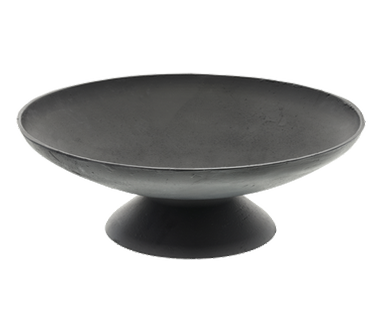
If you do not have a traditional fireplace in the garden, a fire pit is a practical alternative. You can choose a fire pit with legs, for example, which stands securely on a terrace. That makes it easier for both children and adults to cook over the fire or toast marshmallows.
A fire pit gives ingredients the characteristic flavour of cooking over an open fire, and it also creates a pleasant way to spend time together outdoors. You can gather around the flames, keep warm by the fire and enjoy the setting while food is being prepared.
Which fire pit should I choose?
A practical way to choose is to start with how many people you usually cook for. Some prefer a smaller fire pit for lighter outdoor cooking, while others need a larger model for serving bigger portions of fire-cooked food. On a webshop category page like this, it helps to begin with size and then narrow down the options based on where the fire pit will be used.
If you are comparing several models, think first about portion size and placement. That gives you a clearer basis for choosing between a compact fire pit for a smaller outdoor area and a larger one when you need more room for cooking.
What is the difference between a fire pit and a fireplace?
A traditional fireplace is usually a fixed circle with gravel and large stones around it. In the centre, you build a fire from scratch using firewood. Because it is fixed in one place, you choose the location before starting the project.
A fire pit, by contrast, can be moved. This makes it an easier solution in smaller gardens, as small fire pits are not subject to the same rules as a large fixed fireplace. For many shoppers, this difference is one of the main ways to decide between the two.
If you are still comparing outdoor cooking options, you can also look through the full range of grill and accessories. From there, it becomes easier to move between broader product types and decide whether a fire pit, grill or another outdoor heat source is the right fit.
Rules for using a fire pit in the garden
If you are unsure where to place a fire pit in the garden, it is important to be aware of the rules for open fire in outdoor areas. Smoke must not be a nuisance to nearby neighbours, and you should also make sure that the fire pit is placed correctly.
The fire pit should be placed at least 10 metres from buildings. If the pit is smaller than 80 cm in diameter, it may be placed closer if the building does not have a thatched roof. It should also be placed at least 15 metres from thatched roofing and at least 15 metres away from easily flammable vegetation such as fields.
If you choose a smaller fire pit, it can therefore be moved much closer to the house, for example onto a terrace, without concern about breaking these rules. When browsing this category, size is therefore not only about cooking capacity but also about placement.
How do I light a fire pit correctly?
Once the meat is marinated and the vegetables are prepared, you are ready to cook over the fire. It is simple to light a fire pit.
Start by placing firewood in the pit and add kindling as well. If you want the fire to get going more quickly, you can use firelighter bags. The Danish source also recommends environmentally friendly firelighter tablets.
For most situations, it helps to think of the fire pit as part of a wider outdoor cooking setup. If you need tools and extra equipment alongside the pit itself, you can continue to the selection of accessories and compare the products that support cooking outdoors.
Create the right outdoor space
When spring arrives, many people start using the garden, balcony or caravan more often. A fire pit can become part of that outdoor area, both as a place for cooking and as a natural point to gather around. When planning your space, it often helps to look at what should sit around the fire pit and what other outdoor functions you want in the same area.
If your main focus is warmth and flames rather than cooking, you may also want to compare fire pits with fireplaces. This is a useful next step when you are deciding between products that centre more on outdoor cooking and products that centre more on the fire itself.
Atmospheric light sources
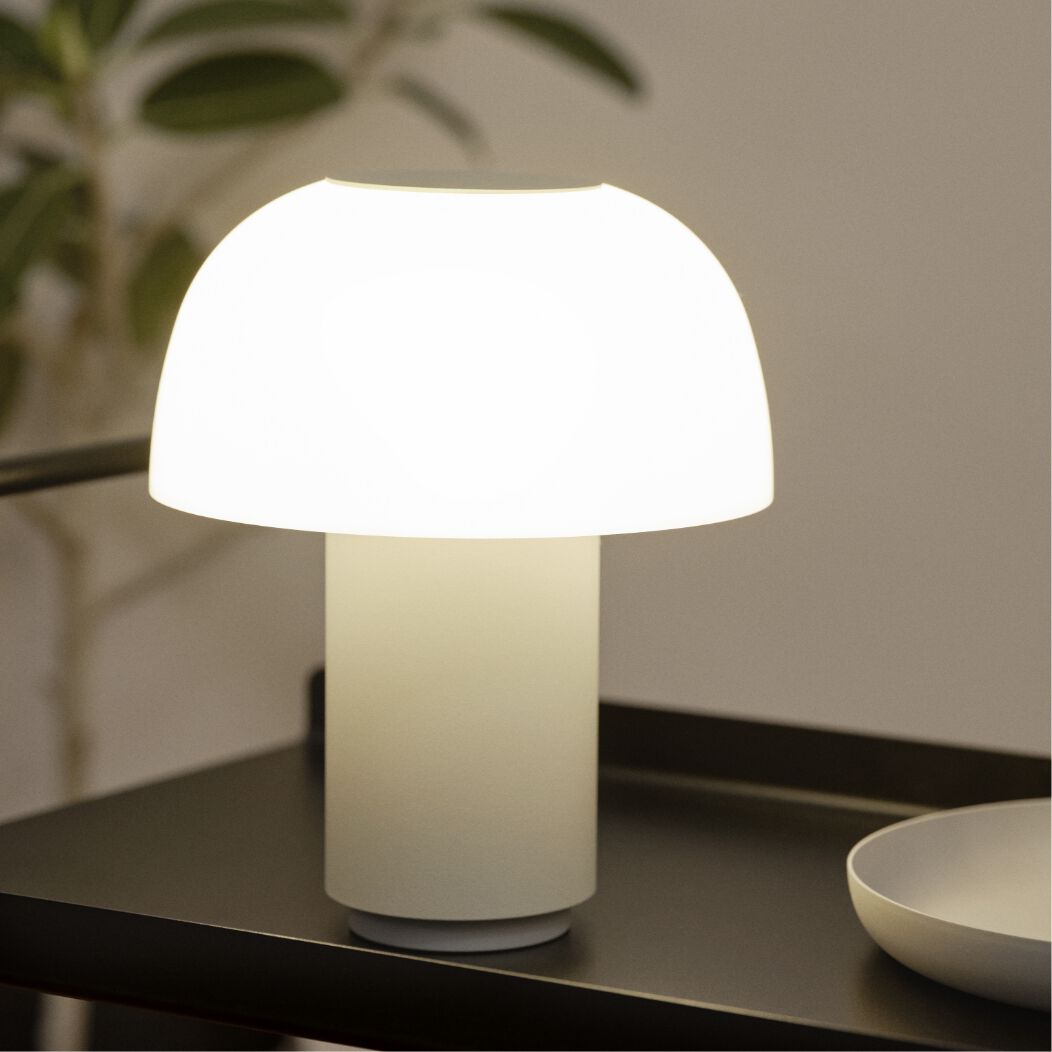
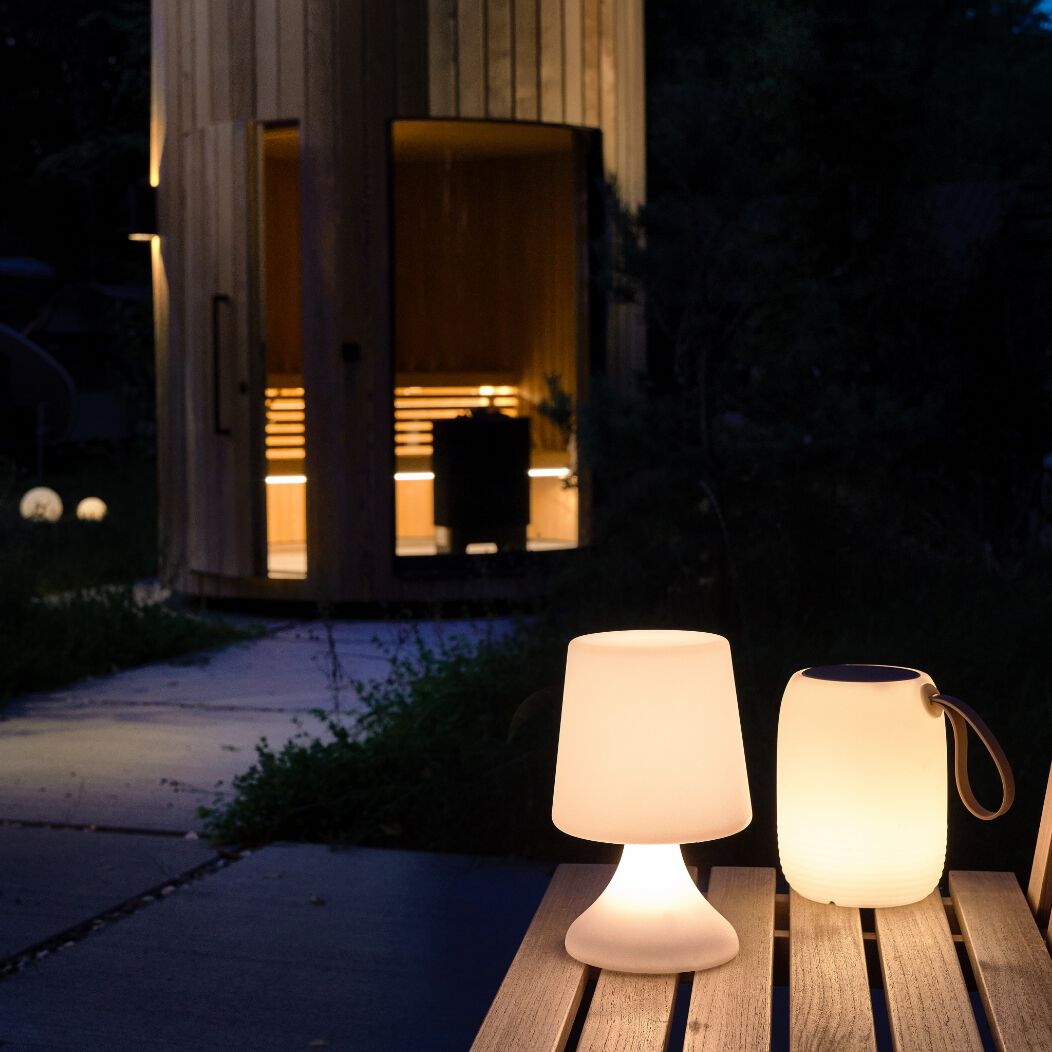
The Danish category text highlights lanterns and LED lighting as simple ways to frame an outdoor area when darkness falls. Combined with a fire pit, extra lighting can make the terrace or garden easier to use in the evening while also shaping the overall atmosphere of the space.
When you browse outdoor categories online, this is often where the decision becomes more specific. First choosing the main product, then adding the surrounding elements that make the area work as a whole.
Inviting and soft textiles
Soft outdoor textiles can help complete a terrace, courtyard or balcony. The source text mentions cushions, throws and practical acrylic tablecloths as part of an outdoor setting focused on comfort and time spent together.
If you are planning the area around your fire pit, these details can be useful once the main choice is made. In everyday use, many people first select the fire pit itself and then move on to the surrounding products that support the rest of the outdoor space.
Get ready for outdoor cooking with the range
This webshop also includes other types of outdoor cooking products. If you want to compare several ways of cooking outside, you can explore the full selection of grills. That makes it easier to weigh the characteristic taste of food cooked over an open fire against more classic grill types.
The Danish source refers to gas grills, charcoal grills and table grills as classic alternatives. A fire pit is the option to choose when the appeal lies in food prepared over a real fire, while other grill types may suit shoppers looking for a different outdoor cooking format.
The source also mentions useful items for outdoor cooking such as grill gloves, pizza peels and ash scrapers. If you are building your setup step by step, it can be helpful to start with the main cooking method and then move on to the practical tools that support it.
Find products for your garden and outdoor area
When the garden, terrace or balcony is arranged well, it can function as an extra room outdoors. The Danish text describes dividing the space into smaller corners and choosing products that support both practical tasks and more comfortable moments outside.
That is often how shoppers navigate a category structure as well, starting with one main need, such as a fire pit, and then moving outward into nearby categories depending on what else the space requires. If heat is the priority for a seating area, patio heaters may also be relevant to compare with fire-based solutions.
On this page, the main purpose is to help you compare fire pits by use, size and placement. From there, you can continue to related categories and make more specific choices for outdoor cooking and the wider outdoor area.
Frequently asked questions
What is a fire pit used for?
A fire pit is used for outdoor cooking and as a place to gather around the flames. In everyday use, this means that you can cook food over an open fire, keep warm outside and create a more social setting in the garden or on the terrace.
How do I choose the right fire pit size?
A practical starting point is how many people you usually cook for and where the fire pit will be placed. In practice, this helps you choose between a smaller model for lighter cooking in a compact outdoor area and a larger one when you need more room for preparing food.
What is the difference between a fire pit and a fireplace?
A traditional fireplace is usually a fixed setup built in one place, while a fire pit can be moved when needed. This makes it easier to use a fire pit in smaller gardens or on a terrace, because placement can be adjusted more easily.
Where can I place a fire pit in the garden?
The category text explains that a fire pit should normally be placed at least 10 metres from buildings, at least 15 metres from thatched roofing and at least 15 metres from easily flammable vegetation such as fields. In everyday use, this means that placement is not only about comfort but also about following outdoor fire rules and avoiding smoke nuisance for neighbours.
Can a small fire pit be placed closer to the house?
Yes, the text states that if the fire pit is smaller than 80 cm in diameter, it may be placed closer to a building if the building does not have a thatched roof. In practice, this helps you use a smaller fire pit more flexibly, for example on a terrace or nearer to the main seating area.
How do I light a fire pit correctly?
You start by placing firewood in the pit and then adding kindling. If you want the fire to get going more quickly, you can use firelighter bags or environmentally friendly firelighter tablets, which makes it easier to prepare the fire before cooking.
Should I choose a fire pit or a grill for outdoor cooking?
A fire pit suits people who want the flavour and experience of cooking over a real open fire, while other grill types offer a different cooking format. In practice, this helps you decide whether the main priority is open-fire cooking itself or a more classic grill setup.
How can I narrow down my options when choosing a fire pit online?
A useful way to compare fire pits is to begin with size and then look at placement and intended use. This makes it easier to move from broader choices to narrower options, especially if you are deciding between a compact model for a small space and a larger one for cooking bigger portions.