
What types of patio heaters are available?
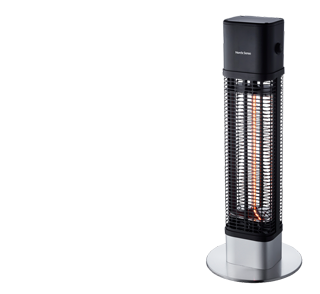
There are many different patio heaters, and they suit different outdoor spaces and needs. Some are small and compact, while others are larger and made to cover a bigger area. You will find portable patio heaters on a stand, floor models that can be placed on the terrace and moved when needed, patio heaters that are mounted on a wall, and integrated patio heaters.
One of the main ways to compare patio heaters is by heat source. Patio heaters are available with electric, gas and paraffin heat sources. An electric patio heater generally takes up less space and is safer to have standing than a gas or paraffin patio heater. At the same time, there is a difference in running cost, so the heat source is an important part of the choice.
Gas and paraffin patio heaters cost less to run than electric patio heaters. It is important to take the right precautions when using a gas patio heater. This type can be less safe to have standing, especially if children or pets are nearby. If the patio is covered and has closed sides, you also need to make sure there is good ventilation.
When browsing this category, a practical way to choose is to start with the placement. Some people want a heater they can move around as needed, while others prefer a fixed wall-mounted solution. From there, it becomes easier to compare size, shape and heat source based on the space you want to warm.
Which patio heater should I choose?
When choosing a patio heater, it helps to look at a few practical points that affect which model fits your outdoor area:
What will the patio heater be used for?
How often will it be used?
The size of the area that needs heating
The layout of the terrace
Whether the terrace is covered or open
A small patio heater
A small patio heater is well suited to a smaller setup. For most situations, this type is a good match when the heater is used by fewer people, only now and then, or on a small terrace. It can also be suitable for sheltered and covered terraces, where the heat does not need to spread across such a large or open area.
A large patio heater
A large patio heater, or several patio heaters, is a better fit when more people need warmth at the same time, when the heater is used often, or when the terrace is larger. This can also be the better choice for terraces without shelter and for open terraces that are not covered.
It is also worth considering both the cost of use and safety when comparing your options. Electric, gas and paraffin patio heaters differ in what they cost to use over time, and that can matter when you are deciding which type works best for your terrace and your needs.
Safety also plays a part in the decision. An electric patio heater is safer to use than a gas patio heater, but careful use and following the instructions are important whichever type you choose.
On a webshop page like this, many people begin with the broad choice between small and large models, and then narrow it down by where the heater will stand and which heat source they prefer. That makes it easier to compare the options in a structured way instead of looking at the design first.
How can a patio heater be used?
A patio heater is an obvious choice for the terrace when warm summer evenings begin to cool down. It helps you stay outside for longer when the temperature starts to fall.
Patio heaters can be used in different ways depending on the type. Some are portable and can be placed where you need them, while others are mounted on a wall or a similar surface. If you typically want flexibility, a portable model may be easier to work with. If you prefer a more fixed setup, a mounted option may suit the space better.
Always read the user instructions carefully so the patio heater is used correctly. It is important to follow the instructions to avoid dangerous situations, for example if the heater is placed too close to flammable materials.
Can a patio heater withstand rain?
Not all patio heaters can tolerate water. For that reason, it is important to check whether the specific patio heater can be left outside in rainy weather, so it does not become damaged.
Always read the enclosed instructions or user manual before using your patio heater for the first time. This is one of the simplest ways to check how the product should be placed and used in everyday conditions.
Can a patio heater be used indoors?
As the name suggests, a patio heater is designed for outdoor use on the terrace. It is therefore not suitable to use patio heaters indoors.
If you are exploring outdoor heating, you can also look through the wider range of grill and accessories to compare related products for the terrace and garden.
Extend the outdoor season with a patio heater
Many people enjoy spending summer evenings on the terrace or balcony and staying outdoors as long as the weather allows. When it starts to feel cold, a patio heater can help extend the time spent outside.
Patio heaters are often part of a broader outdoor setup. If you are also planning cooking outdoors, you can explore the selection of grills and matching grill accessories. These categories make it easier to move from heating to food preparation when you are building your outdoor space step by step.
For other ways to add warmth outdoors, you can also compare an outdoor fireplace or one of the fire pits. These are relevant alternatives when you want to look at different types of outdoor heat and decide what suits the terrace or garden best.
When you compare patio heaters alongside other outdoor categories, it becomes easier to choose based on how the area is used, how fixed or flexible the setup should be, and how much warmth is needed. That gives a clearer overview when moving from general outdoor products to more specific heating solutions.
Frequently asked questions
What types of patio heaters are available?
Patio heaters are available as portable stand models, floor models, wall-mounted versions and integrated solutions. They also differ by heat source, with electric, gas and paraffin options. In everyday use, this means you can first decide whether you want a movable or fixed heater, then compare the heat source that suits your space.
How do I choose the right patio heater for my terrace?
It helps to think about what the heater will be used for, how often you will use it, the size of the area and whether the terrace is covered or open. A small model may suit a sheltered space with fewer people, while a larger heater or several heaters may be better for a bigger or more exposed terrace. In practice, this helps you narrow the options in a more structured way.
Should I choose an electric, gas or paraffin patio heater?
The main difference is the heat source, and this affects both how the heater is used and what to consider around placement and safety. The category content explains that electric patio heaters generally take up less space and are safer to have standing than gas or paraffin models. This makes it easier to compare the types based on your terrace layout and how you plan to use the heater.
Is a portable or wall-mounted patio heater better?
A portable patio heater can be useful if you want to move warmth to different parts of the terrace when needed. A wall-mounted heater may suit you better if you prefer a more fixed setup in one position. In everyday use, this means the best choice often depends on whether flexibility or permanent placement matters more in your outdoor area.
How can I tell if I need a small or large patio heater?
A small patio heater is often suitable for occasional use, fewer people or a smaller terrace, especially if the area is sheltered or covered. A large patio heater, or several heaters, may be more suitable for frequent use, larger groups or open terraces without much shelter. In practice, this helps you match the heater size to how much space and how many people need warmth.
Can a patio heater be left out in the rain?
Not every patio heater is made to tolerate water, so it is important to check the instructions for the specific model. The user manual will normally explain whether it can stay outside in rainy weather and how it should be placed. This makes it easier to avoid damage during everyday use.
Can I use a patio heater indoors?
No, a patio heater is designed for outdoor use on the terrace and is not suitable for indoor use. In practice, this means it should only be used in the type of space described in the instructions. Following this guidance helps reduce the risk of unsafe use.
What should I check before using a patio heater?
It is important to read the user instructions before using a patio heater for the first time. The instructions explain how the heater should be placed and used, including avoiding positions too close to flammable materials. In everyday use, this helps you set it up more safely and use it as intended.