What is a grill?
A grill is used to cook food with heat from charcoal, gas, electricity or wood pellets. For many people, grilling is closely linked to time outdoors and is a popular way to prepare food.
Food cooked on a grill gets a distinct flavour that can be difficult to recreate in an oven or on the hob. You can achieve good results with all grill types, but the cooking experience varies depending on the heat source, the size of the grill and how much control you want while cooking.
When browsing this category, a practical way to choose is to start with the type of grill that suits your space and cooking style. From there, you can compare size, portability and the kind of dishes you mainly want to prepare.
Which types of grill are available?
There are several grill types, and each has its own strengths. Some are chosen for flavour, some for speed and convenience, and some because they work well where space is limited. If you want to compare the main options, you can start with the full range of grill and accessories and then narrow your choice by type.
Table top grills
A small table top grill is useful when you do not have much space. It can be a good option for a balcony or for taking on a trip. Many table top grills can be used both outdoors and indoors, so your cooking does not depend in the same way on the weather.
Gas grills
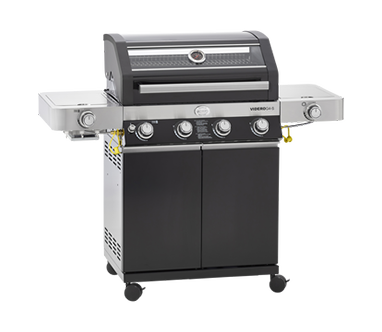
A gas grill is efficient and ready to use after a few minutes. It is popular because it is easy to use, quick to start and gives you good control over the heat. The category includes both smaller and larger models, so it is easy to compare according to how much food you usually prepare at one time.
Kettle and charcoal grills
A round, closed kettle grill uses charcoal as its heat source and comes in different sizes. Smaller versions are portable and easier to take with you, while larger models are more stationary and allow you to cook more ingredients at the same time.
The classic charcoal grill takes longer to become ready than a gas grill, and the temperature is harder to control. It typically takes around 20 minutes before the charcoal is ready to use. In return, charcoal gives food a characteristic grilled flavour, and for many people that is an important part of the grilling experience.
Electric grills
If your home setup makes smoke a concern, an electric grill can be a practical choice. This can be especially relevant for balcony use in apartment living, where a grill that does not produce smoke is less likely to disturb neighbours.
Wood pellet grills and outdoor ovens
A wood pellet grill uses wood pellets as its heat source. It combines qualities associated with both charcoal and gas grills, gives food a smoky grilled flavour and is quick to start, while the temperature is easy to control. Only wood pellets approved for heating food should be used.
An outdoor oven can be used both as a heat source when the evening gets cooler and for preparing food. By moving the fire to the side, you can cook dishes such as pizza on the hot base. For that type of cooking, a pizza stone is a useful addition.
How to choose the right grill
With some practice, you can make good food on any grill type. The key is to understand the differences before choosing. For most situations, it helps to think about your current needs, where the grill will stand and which dishes you mainly want to make.
Size and capacity
One important factor is the size of the grill and how much food you need to cook at once. A small grill suits cooking for fewer people, while a larger grill is better when you need to prepare more food in one go. It is also worth considering whether you want a portable grill for trips, a medium-sized grill for a balcony or a larger stationary grill for a terrace or holiday home.
Placement
The place where the grill will be used matters as much as the grill itself. If you typically grill on a balcony, size and smoke level may influence your choice. If you have more outdoor space, a larger stationary model may be a better fit. Looking at the category by grill type first often makes comparison easier than starting with individual models.
What you want to grill
The dishes you mainly plan to cook can help guide your choice. If you mostly want to make simple dishes such as chicken fillets and steaks, a grill with direct heat may be enough. If you want to cook whole roasts or whole chickens, it is better to choose a grill that also supports indirect heat.
What can you cook on a grill?
A grill can be used for much more than traditional barbecue food. Steaks, chicken, corn, salmon, crispy pork, pizza and more can all be prepared on a grill. For many people, that flexibility is part of the appeal, and it is often useful to choose a grill based on the dishes you expect to make most often.
Pizza on the grill
Pizza with a crisp base is baked at very high heat, and this is where a grill can work particularly well. A regular kitchen oven often has a limit of around 250°C, which is not always enough for pizza baking. A gas grill can often reach a higher temperature, which helps when making pizza in just a few minutes.
Chicken and duck on the grill
Chicken is used in many different dishes, and grilling can give it more flavour. A rotisserie is a good option when cooking a whole chicken, helping keep the meat juicy while the skin becomes crisp.
Some also cook whole duck or duck breast on the grill. The grill gives duck a lightly smoky flavour that works well with the darker meat. To avoid overcooking, a thermometer can be useful for monitoring the temperature. A core temperature of 65°C gives a lightly pink result, and the meat should rest well after cooking.
Fish on the grill
Fish can also work very well on a grill. A fish holder is useful when grilling a whole fish, but foil or direct grilling on the grate can also be suitable, depending on the fish. If you want to expand your setup, you can explore grill accessories for tools that support different cooking methods.
Cleaning and care
Regular cleaning is important if you want the grill to stay pleasant to cook on over time. Burnt-on residue can affect the taste of the food, so the grill should be cleaned after each use.
A common method is to turn up the heat and scrub the grill grate with a brush. If dirt is stubborn, the grate can be coated with soft soap, wrapped in cling film or placed in a plastic bag, left overnight and then washed thoroughly with soap and water. Once the grate is clean and dry, it can be coated with a neutral oil such as rapeseed oil or grapeseed oil, which helps ingredients release more easily the next time you grill.
If the grill has a drip tray for fat and food residue, it should also be emptied and cleaned with soap and water after use. If possible, the inside of the grill should be cleaned as well.
Explore related outdoor cooking categories
If you are comparing ways to cook outdoors, it can also be worth looking beyond classic grills. Fire pits and outdoor fireplaces can be used for cooking over a fire, while patio heaters can help when the evening gets cooler.
Taken together, these categories make it easier to move from a broad outdoor cooking idea to a more specific setup. You can begin with grill type, continue with size and placement, and then complete your selection with the accessories that match the way you cook.
Frequently asked questions
How do I choose the right grill for my space?
A practical place to start is where you plan to use the grill, such as a balcony, terrace or when travelling. In everyday use, this helps you focus on the right size, portability and smoke level before comparing more specific grill types.
What is the difference between a gas grill and a charcoal grill?
A gas grill is quick to start and gives you easier control over the temperature, while a charcoal grill takes longer to become ready and is harder to regulate. In practice, this means gas suits convenient everyday cooking, while charcoal is often chosen for its characteristic grilled flavour.
Is an electric grill a good choice for a balcony?
An electric grill can be a practical option if smoke is a concern, especially in apartment living. This makes it easier to grill on a balcony without producing the same level of smoke as some other grill types.
What should I think about when choosing grill size?
The main thing to consider is how much food you usually need to cook at one time. In everyday use, this means a smaller grill can suit fewer people or trips away, while a larger model is more practical when cooking for more people at once.
Can I cook more than burgers and sausages on a grill?
Yes, a grill can be used for many different dishes, including steaks, chicken, corn, salmon, crispy pork and pizza. In practice, this helps you choose a grill based on the food you actually want to make most often, not only traditional barbecue dishes.
Which grill is best if I want to cook pizza?
Pizza needs very high heat to develop a crisp base, and a gas grill can often reach a higher temperature than a regular kitchen oven. This makes it easier to bake pizza in just a few minutes, especially if you also use a pizza stone.
How do I know if I need a grill for direct heat or indirect heat?
If you mainly want to cook simple foods such as chicken fillets or steaks, direct heat may be enough. In practice, indirect heat is more useful for larger dishes such as whole roasts or whole chickens, where slower and more even cooking matters.
How should I clean a grill after use?
A common method is to heat the grill and scrub the grate with a brush, then wash more stubborn residue after soaking if needed. This makes it easier to remove burnt-on food, and it is also important to empty and clean any drip tray and clean the inside of the grill where possible.