


Clean windows let more light into the home
Few people prefer a dark room where daylight has to fight its way through dirty glass before it reaches the room. Even so, window cleaning is often one of the household jobs that gets postponed. A common reason is that unsuitable tools can make the job awkward and leave a result that is less satisfying than expected.
With the right tools for window cleaning, it becomes easier to clean windows in less time and achieve a bright, polished finish. That also makes this category useful when you want to compare products before choosing. Some shoppers look for a straightforward manual window cleaner and scraper, while others want an automatic solution that removes water efficiently. By browsing the range step by step, it is easier to narrow the choice down to the type of cleaning routine you prefer.
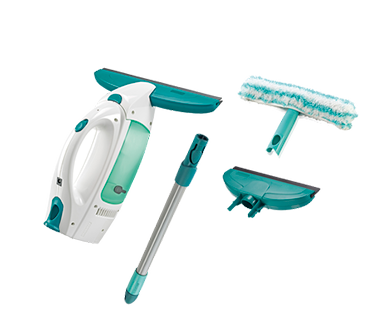
Here you will find a broad selection of products for window cleaning, including manual and automatic options, models with and without telescopic poles, extra microfibre covers and cleaning sets with three or four parts. If you are starting with the basics, a practical way to choose is to begin with whether you want manual or automatic cleaning. From there, you can look at whether a telescopic pole is useful for your windows, and whether you need extra covers or a complete set rather than individual parts.
Window cleaning is also part of a wider selection for the home. You can explore more within Home Decor and the broader Home Care range. If you would like to compare related products, you can also see cleaning supplies, tools for floor cleaning, and vacuum cleaners and accessories.
Leifheit. Better results in less time
Cleaning can feel satisfying once it is done, but for most people it is not a favourite task. If you want to use your cleaning time well, it helps to choose products made to make the work easier and more effective from start to finish.
Window Cleaning includes solutions from Leifheit, a brand known for innovative cleaning products that help make household cleaning easier. Careful design can make a clear difference when the aim is a thorough result with less effort. If you are exploring more of the brand's practical household range, you can also look at drying racks and accessories.
Below, you can read practical guidance on how to clean windows effectively and what to consider when choosing products in this category.
How do you clean windows?
Anyone who has tried cleaning windows knows that a good result can be harder to achieve than it first appears. Good tools and a clear order of steps make the work easier and help reduce streaks. If you are comparing products on the page, this guide can also help you identify what you may need: a bucket, a window cleaner with sponge and scraper, a microfibre cloth, and a suitable cleaning solution.
How to get clean, polished windows
1. Prepare your tools: Use a bucket, a window cleaner with sponge and scraper, a microfibre cloth and window cleaning solution. You can also make your own mixture using cold water, washing-up liquid and vinegar.
2. Remove dust and dirt first: Before cleaning the glass, clear dirt and dust from the window frames. This helps prevent the dirt from mixing with the water and leaving streaks.
3. Wash the window: Dip the window cleaner into the water and cleaning mixture and wash the glass with the sponge. Start at the top and work downwards so that old dirt is not pulled back up across the pane.
4. Scrape the window dry: Place the scraper at the top edge of the window and pull down in one even movement. Wipe the scraper after each stroke to avoid water marks. Repeat until the whole pane has been cleaned.
5. Dry and finish: Use a dry microfibre cloth to wipe away any remaining water drops from the frames.
For some users, an automatic window vac is the easiest way to get an even finish, as it removes water efficiently without leaving streaks. For others, a manual washer and scraper is the preferred choice because it gives a more familiar cleaning method. The category makes it easy to compare these approaches side by side and decide whether you want a single tool, replacement covers or a full cleaning set.
How often should windows be cleaned?
How often windows need cleaning varies from home to home. If you live near a busy road or have small children, it may be necessary to clean the windows more often. Most people clean their windows three to four times a year.
Regular window cleaning helps prevent dirt from building up, and it keeps the windows easier to clean over time. For most situations, three to four times a year is enough, but the right interval depends on your own needs.
When is the best time to clean windows?
The best time to clean windows is in dry, cloudy weather. Direct sunlight can cause the water on the glass to dry too quickly, which may leave marks and streaks. In bright but overcast weather, it is easier to see and remove dirt and streaks as you work.
It is also best to avoid cleaning windows in rainy weather, as raindrops can mix with the cleaning solution and affect the result. If you need to clean windows when it is sunny, it can help to start early in the morning or later in the afternoon when the sun is not as high.
Weather plays an important part in the result, and if you want to keep an eye on conditions before you begin, you can browse thermometers and weather stations. It is also a good idea to clean one window at a time, so you can dry it before the cleaning mixture dries on the glass.
Which mixture is best for cleaning windows?
There are many ready-made window cleaning products, but you can also make your own mixture and still achieve a good result. The ingredients mentioned here are cold water, washing-up liquid and vinegar.
Mixing ratio:
5 litres of cold tap water
0.25 decilitres of washing-up liquid
1 tablespoon of vinegar
When choosing products for this routine, some shoppers prefer to build their own setup from separate tools, while others choose a cleaning set that gathers the main parts together. If you want everything collected in one purchase, a set can be a simple way to start. If you already have some of the tools, it may be more useful to compare individual window cleaners, scrapers or replacement covers.
Find your window cleaning tools at Kitchen Living Dining
If window cleaning often gets delayed, the right equipment can make the task easier to manage. This category is designed to help you compare the main types of window cleaning tools and move from broad choices to more specific ones. You can start with manual or automatic cleaning, then look at features such as telescopic poles, replacement microfibre covers and the difference between individual tools and multi-part sets.
Window cleaning is only one part of home care. If you want to look at other categories for everyday tasks around the home, you can also explore irons and accessories, clothes steamers, storage and organizing, and products for climate and ventilation. You can also browse other practical home categories such as personal care, shoe dryers and smoke alarms.
Frequently asked questions
How do I choose between manual and automatic window cleaning tools?
A practical place to start is by deciding whether you want a familiar manual method or an automatic tool that removes water efficiently. In everyday use, this means that a manual washer and scraper may suit you if you like step-by-step control, while an automatic window vac can make it easier to get an even finish with less wiping.
When is a telescopic pole useful for window cleaning?
A telescopic pole is useful if your windows are harder to reach and you want extra length while cleaning. In practice, this helps you clean higher panes more comfortably and makes it easier to compare narrower options based on the layout of your home.
What tools do I need to clean windows properly?
The category content recommends a bucket, a window cleaner with sponge and scraper, a microfibre cloth and a suitable cleaning solution. In everyday use, this means you can wash the glass, remove the water evenly and wipe off the final drops from the frames for a cleaner finish.
What is the best way to clean windows without leaving streaks?
Start by removing dust and dirt from the frames, then wash the glass from top to bottom and scrape it dry in even strokes, wiping the scraper after each pass. This makes it easier to reduce streaks because dirt is not pulled back across the pane and excess water is removed before it dries.
How often should windows be cleaned?
Most people clean their windows three to four times a year, although the right interval depends on the home. In practice, this means you may need to clean more often if you live near a busy road or have small children, as dirt can build up more quickly.
When is the best time to clean windows?
Dry, cloudy weather is usually the best time because direct sunlight can dry the water too quickly and leave marks. In everyday use, this helps you see streaks more clearly as you work, and if it is sunny, it can be easier to clean early in the morning or later in the afternoon.
What window cleaning mixture can I use at home?
The content suggests a simple mixture of 5 litres of cold tap water, 0.25 decilitres of washing-up liquid and 1 tablespoon of vinegar. In practice, this helps you prepare a basic cleaning solution at home if you do not want to use a ready-made product.
Should I buy a full window cleaning set or separate tools?
If you are starting from scratch, a set can be a simple way to gather the main parts together in one choice. This makes it easier to begin quickly, while separate tools or replacement covers may be more useful if you already have part of your setup and only need filtered choices for specific items.