Which iron and ironing board should you choose?
There are several types of irons to choose from, and the main differences are in their functions. When comparing options, it helps to look at heat control, whether the iron has a steam function, and whether you prefer a cordless model or one with a cord. These details make it easier to narrow the selection from the broader category to the model that matches the way you iron.
The range includes irons from well-known brands, including Nordic Sense, with both steam irons and regular irons. If you are comparing products on the page, a useful place to start is whether you want steam as part of your routine or a more straightforward iron for basic pressing.
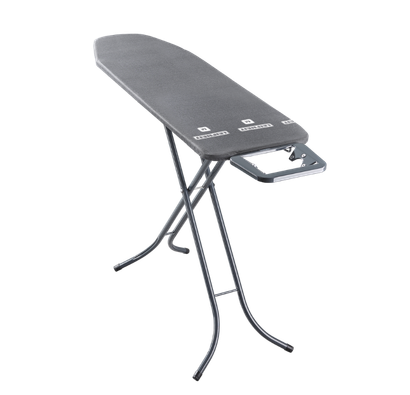
An ironing board is just as important when you want a smooth result without using tables or other surfaces. In this category, you can also compare stable ironing boards and ironing board covers, including options from Leifheit. If you want to focus on board selection first, it can help to look at board size and whether the height can be adjusted, so the board fits both your home and the way you work.
If you are looking at Leifheit boards specifically, you can browse the full selection of irons and accessories in this category alongside related options. For users who want to continue into a more focused part of the range, the broader Home Decor section and the parent Home Care category also make it easier to move between household products.
Leifheit Airboard ironing boards are another option within this area. The Airboard series features Thermo Reflect technology, which can reduce ironing time by up to 33% and help provide a smooth result. If you typically compare by feature rather than by brand, this is the kind of detail that helps separate one ironing board from another.
Ironing board covers - an essential accessory
An ironing board cover is the fabric cover that fits over the board. It protects the surface of the ironing board and provides a smooth, even base for ironing. When users move from choosing a board to choosing accessories, the cover is often the next practical step, because it affects the surface you work on every time you iron.
Ironing board covers are easy to remove and fit, and some covers include features such as steam and heat reflection that can make ironing quicker and easier. For that reason, it is worth comparing more than just colour or pattern when you choose a replacement cover.
Before buying a new cover, remember to measure the length and width of your ironing board so you can match the cover to the board correctly. Covers are available in different colours and designs, so once you have found the right size, you can choose the look you prefer.
3 useful ironing tips
Ironing is a simple and effective way to smooth creased clothing, bed linen, tea towels and other home textiles. If you are ironing more than clothes, it can help to think of the category in stages: first the iron, then the board, and then any accessories you may need for different textiles. For related categories, you can also explore clothes steamers if you prefer steam-based care, or look at drying racks and accessories for other laundry tasks.
1. Check the care label before you start
The care label shows whether the fabric can be ironed. If there is an iron symbol, the item can be ironed. Inside the symbol, dots show the temperature the fabric can handle.
Use the dots as a guide:
1 dot = max. 110 °C
2 dots = max. 150 °C
3 dots = max. 200 °C
You can set the temperature on your iron accordingly. If you want to make the process easier, iron items that can handle the same temperature together, so you do not need to wait for the iron to heat up or cool down between items.
2. Turn printed and decorated garments inside out
If you are ironing clothes with a print, turn them inside out first. This helps avoid damaging the print and reduces the risk of it sticking to the iron.
The same applies to garments with sequins or embroidery. You can also place a terry towel over the decorated area so you can iron over it without pressing directly onto the embellishment.
3. Stand the iron upright
Do not leave the iron resting face down, as problems can happen very quickly. Instead, stand it on its heel rest, which is not hot.
The same applies once the iron has cooled down. It should not be stored with the soleplate facing down, as scratches can develop and may damage clothing over time.
How to clean and descale your iron
If you use a steam iron, regular descaling is an important part of maintenance. Some irons have a descaling function, in which case you should follow the instructions supplied with the product.
If your iron does not have this function, you can descale it with a mixture of 1 part household vinegar to 9 parts water. Pour the mixture into the iron and leave it standing upright on its heel rest while the mixture steams through. If the iron is heavily affected by limescale, repeat the process once the liquid has fully evaporated.
Before doing this, read the user instructions to make sure your iron can tolerate vinegar, as not all irons can.
Steamers - easy garment care with steam
An iron is not the only option for smoothing clothes. A steamer uses steam to remove creases and folds from garments effectively. If you are deciding between product types, this category can be a starting point before moving into alternatives that suit a different way of caring for clothes.
The range includes both floor steamers and handheld steamers. A floor steamer is suitable if you often steam garments such as shirts and dresses and have space to store it. A handheld steamer is easier to put away when not in use. If steam care is what you are looking for, you can continue directly to clothes steamers.
Explore more home care categories
If you are browsing household essentials beyond ironing, this category also connects naturally with other parts of the webshop. Within home care, you can explore cleaning supplies, floor cleaning, window cleaning and vacuum cleaners and accessories.
You can also continue to categories such as climate and ventilation, shoe dryers, storage and organizing, thermometers and weather stations, smoke alarms and personal care. This makes it easier to move from one household need to another while staying within the same overall section of the webshop.
Frequently asked questions
How do I choose between a steam iron and a regular iron?
A useful place to start is whether you want steam as part of your ironing routine or a simpler iron for basic pressing. In everyday use, this means that a steam iron may suit you if you regularly smooth different fabrics, while a regular iron can be enough for straightforward tasks.
What should I compare when choosing an iron?
The main points to compare are heat control, whether the iron has a steam function, and whether you prefer a cordless model or one with a cord. In practice, this helps you narrow the options to an iron that fits the way you normally iron at home.
What matters when choosing an ironing board?
It helps to look at board size and whether the height can be adjusted. This makes it easier to choose a board that fits your space and gives you a more comfortable working position while ironing.
Why is an ironing board cover important?
An ironing board cover protects the surface of the board and gives you a smooth, even base for ironing. In everyday use, this means the cover affects the surface you work on every time, so it is worth checking more than just the colour or pattern.
How do I choose the right ironing board cover size?
Before buying a new cover, measure the length and width of your ironing board so you can match the cover correctly. In practice, this helps you avoid a poor fit and makes the cover easier to put on and use properly.
How can I iron clothes without damaging prints or decorations?
If a garment has a print, turn it inside out before ironing to help protect the surface and reduce the risk of sticking to the iron. For sequins or embroidery, you can place a terry towel over the decorated area, which makes it easier to iron without pressing directly on the detail.
How should I clean and descale a steam iron?
If your iron has a descaling function, follow the product instructions first. If it does not, the text explains that some irons can be descaled with a mixture of 1 part household vinegar to 9 parts water, and in practice this helps remove limescale, but you should always check the user instructions because not all irons can tolerate vinegar.
When is a clothes steamer a better choice than an iron?
A steamer can be a good option if you prefer garment care based on steam rather than pressing with a soleplate. In everyday use, this means a floor steamer may suit frequent steaming of items like shirts and dresses, while a handheld steamer is easier to store when not in use.