

Indoor climate and air circulation in the home
What is an indoor climate?
In simple terms, the indoor climate is the physical environment inside your home. It affects general health and productivity, and a poor indoor climate can show up as headaches, tiredness and, in the worst cases, asthma or allergies.
What affects the indoor climate?
The indoor climate in your home is influenced by several factors, including heat, light, humidity, air quality, smoke, dust and chemical particles in different rooms. The good news is that there is a lot you can do yourself to improve the indoor environment.
How do you create a good indoor climate?
If you want to improve the indoor climate in your home, there are several practical steps you can take:
Air out your home several times a day. A good rule of thumb is 3 x 15 minutes spread across the day.
Keep a steady indoor temperature of 19-23 degrees, and not below 18 degrees.
If your home is affected by moisture, it helps to reduce the humidity level. Air out rooms often and remove moisture and condensation after bathing, drying clothes and cooking, as excessive moisture can develop into mould.
Keep a high cleaning standard, as dust and small particles in the home can contribute to an unhealthy indoor climate.
Clean thoroughly at least once a week.
Limit the use of fireplaces, wood-burning stoves and candles.
Avoid cleaning products and detergents with added fragrance where possible.
How do you measure the indoor climate?
If you are unsure about the indoor climate in your home, you can measure it with a moisture meter, also called a hygrometer. A hygrometer measures humidity through sensors, so you can assess whether the humidity level is suitable.
An optimal humidity level should be between 25% and 60%.
Make your indoor climate healthier and more comfortable with the right appliances
Indoor climate does not always get the attention it should, but it has a big impact on how your home feels day to day. Common challenges include unhealthy humidity levels, uncomfortable temperatures and poor air quality. This category brings together the main product types used to address those issues, so you can compare solutions based on the problem you are trying to solve.
When browsing online, a practical way to narrow your choice is to begin with the room condition you notice most. Dry air points you in one direction, while excess moisture, stale air, heat or cold may lead you to another type of appliance. From there, it becomes easier to move from the broad category to a more specific product group.
Humidifiers
If the air in your home feels dry, a humidifier can help maintain a more suitable humidity level indoors. By adding water vapour to the air, humidifiers help reduce issues linked to dry air, such as dry skin and irritation in the airways and eyes.
Humidifiers can be especially useful during winter, when indoor heating often creates drier conditions. If you are comparing products in this part of the category, it helps to focus on whether dry air is your main challenge and then explore the available humidifier options from there.
Air purifiers and dehumidifiers
For a healthy indoor climate, it is important to keep the air clean and free from excessive moisture. In the air purifiers and dehumidifiers section, you can explore appliances designed to remove particles and moisture from the air.
Air purifiers are especially effective at removing dust, pollen and other allergens, while dehumidifiers help control moisture levels and can help prevent mould and unpleasant odours. If you are deciding between these two types, the easiest starting point is to look at whether your main concern is airborne particles or excess humidity.
Heater fans and electric radiators
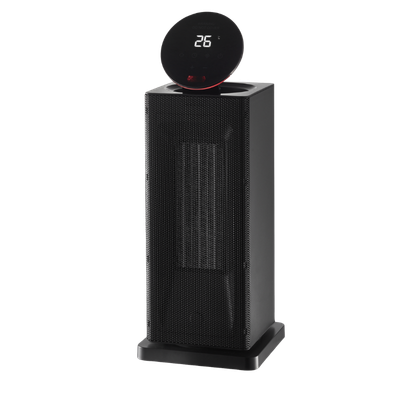
In many climates, it is important to have a reliable heat source. Our selection of heater fans and electric radiators is suited to warming rooms quickly and effectively. A heater fan provides immediate warmth, while electric radiators give a more even and steady heat.
Both types can help maintain a comfortable temperature in the home and in holiday properties, and they can make colder rooms feel more usable. When comparing them, it helps to think about whether you want fast heat or a more constant level of warmth.
Fans and air conditioning
When temperatures rise, many people look for effective ways to cool the home and make rooms feel more comfortable. In the fans and air conditioning category, you can compare options for airflow and cooling.
Fans create a refreshing breeze and circulate the air, while air conditioning units can lower the room temperature. If you typically want better air movement, a fan may be the right place to start. If lowering the room temperature is the main priority, air conditioning is the more relevant group to explore.
How this category helps you compare products
Climate and ventilation products are usually easier to compare when you move from a broad need to a specific type of solution. For most situations, the first step is to identify whether the issue is dry air, damp air, stale air, heat or cold. Once you know that, you can use the subcategories to focus on the relevant appliance type instead of comparing unrelated products.
You can also continue browsing from the wider Home decor range into Home care if you want to see how indoor climate products fit alongside other household categories. For example, cleaning can also play a role in the indoor environment, and you can explore related ranges such as cleaning supplies, floor cleaning, vacuum cleaners and accessories and window cleaning.
If moisture from laundry is part of the challenge at home, you may also want to look at drying racks and accessories and shoe dryers. For garment care, related categories include clothes steamers and irons and accessories.
If you want to monitor conditions in your home, thermometers and weather stations can be a useful related category to explore alongside climate appliances. You can also browse smoke alarms, storage and organizing and personal care as part of the wider home care selection.
Find appliances for a healthier indoor climate
Whether you are looking for a floor fan, table fan, air purifier, humidifier, electric radiator or another climate appliance, this category is designed to help you compare the main options in one place. By browsing according to the indoor climate issue you want to improve, you can move from general product types to the specific solutions that match your home more closely.
Frequently asked questions
What does indoor climate mean in a home?
Indoor climate means the physical environment inside your home, including temperature, humidity, light and air quality. In everyday use, this means that the indoor climate can affect how comfortable and productive you feel, and poor conditions may contribute to headaches, tiredness, asthma or allergies.
What can affect the indoor climate in my home?
Several factors can affect indoor climate, such as heat, light, humidity, air quality, smoke, dust and chemical particles in different rooms. In practice, this helps you look at the home as a whole rather than focusing on just one issue.
How can I improve the indoor climate at home?
You can improve the indoor climate by airing out your home several times a day, keeping the temperature steady at 19 to 23 degrees, and reducing excess moisture after bathing, cooking or drying clothes. This makes it easier to limit condensation, dust and mould risk as part of everyday routines.
How do I measure humidity in my home?
You can measure humidity with a moisture meter, also called a hygrometer, which uses sensors to show the humidity level indoors. In everyday use, this means you can check whether conditions are suitable and compare the reading with the recommended range of 25% to 60%.
How do I choose between a humidifier, an air purifier and a dehumidifier?
The best starting point is to identify the main issue in your home. In practice, this helps you choose more relevant narrower options: a humidifier is for dry air, an air purifier is for dust, pollen and other airborne particles, and a dehumidifier is for excess moisture.
What is the difference between a heater fan and an electric radiator?
A heater fan provides warmth quickly, while an electric radiator is designed to give a more even and steady heat. In everyday use, this means a heater fan may suit rooms that need fast warming, while an electric radiator can be easier to use when you want a more constant temperature.
Should I choose a fan or air conditioning for a warm room?
A fan is mainly used to create airflow and a cooling breeze, while air conditioning is used to lower the room temperature. This makes it easier to choose between them based on whether you want better air movement or actual cooling.
How can I find the right Climate & Ventilation product when shopping online?
A practical way to browse is to start with the condition you notice most, such as dry air, damp air, stale air, heat or cold. In practice, this helps you move from the broad Climate & Ventilation category to more specific selections instead of comparing unrelated appliances.