
Precise help for demanding cutting tasks
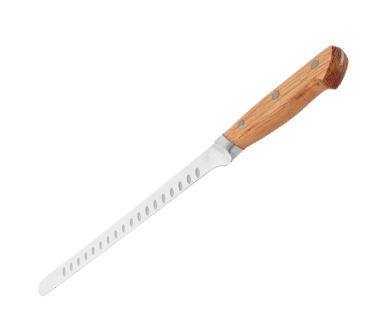
A good fillet knife is an important tool in a well-equipped kitchen. With its sharp, flexible blade, it is made for precision work and controlled handling, especially when preparing fish and meat. If you are comparing knives in this category, the main difference to look at is how easily the blade follows the natural shape of what you are cutting. That is what makes fillet knives useful for careful trimming and fine cuts.
The reason a fillet knife works so well for detailed tasks is its slim, pointed blade. It helps you cut into fish skin or meat cleanly and then guide the knife closely along bones, joints, skin or sinew. In everyday use, this gives you better control when you want a neat cut rather than a broader slicing motion. The precise edge can also be used for other ingredients when accuracy matters.
Tasks with fish and meat vary, so a practical way to choose is by looking at blade length. Different sizes can suit different jobs, and many people prefer to compare several options before deciding. In this range, you can find fillet knives in sizes such as 15 cm, 20 cm and 23 cm. That makes it easier to choose according to the type of preparation you do most often and how much reach or control you prefer.
If you are browsing from a wider kitchen category, you can start with our selection of kitchen utensils and then narrow your search in kitchen knives. From there, this fillet knife category helps you focus on the models intended for close, flexible cutting. It is a useful step if you already know that you need something more specialised than an all-round kitchen knife.
If you are looking for a salmon knife, you can also find options suited to very thin slices. This can be useful when you want delicate cuts of smoked or fresh salmon. In most situations, that kind of knife is chosen for its ability to make fine, even slices with a light cutting motion. Within the broader category of fish preparation knives, this gives you another way to compare according to the result you want from the cut.
FAQ: what to know about fillet knives
What is a fillet knife?
A fillet knife has a very sharp, flexible blade that makes it suitable for working with fish and for trimming larger cuts of meat. The shape of the blade is what sets it apart from many other kitchen knives, as it is made to bend and move closely around the ingredient rather than cut straight through with a wider blade.
What is a fillet knife used for?
A fillet knife is mainly used when handling fish and meat. It is particularly useful when deboning fish, working around bones in larger cuts, or trimming fat and sinew from a roast. Its sharp blade can also be used for other ingredients where precision is needed. If you usually compare knives by task, this is the category to look at when accuracy and flexibility matter more than general chopping or slicing.
How do you fillet a fish?
There is no single method, because filleting technique varies from one type of fish to another. A round fish and a flat fish are not handled in the same way, so the cutting approach changes with the shape of the fish. What they have in common is that a sharp knife is essential for a clean result. When choosing a fillet knife, it therefore helps to focus on blade sharpness, flexibility and the size that feels manageable for the fish you prepare.
Which knife should you use for fish?
You can use either a fillet knife or a dedicated fish knife. Both provide good conditions for careful handling, but this category is helpful when you want to compare knives made specifically for close, precise work. If you need a knife for a different purpose as well, you can continue browsing across the wider knife selection to compare shapes and intended uses.
If you need a knife for another specific task, there are several natural next steps. Many people compare fillet knives with chef’s knives for general kitchen work, or with a santoku or nakiri knife for versatile preparation. For bread, a dedicated bread knife is the more suitable choice, while fine chopping tasks can point you towards herb knives. If you are building a broader setup, you can also compare complete knife sets.
Tips for use and care
All fillet knives need the right handling and storage if they are to keep their sharp edge and finish. This is especially important with a fine, flexible blade, because the knife is designed for precision rather than rough work. If you are choosing between models, it can help to think not only about blade size but also about how you will store, clean and maintain the knife in everyday use.
Safe handling
When deboning fish or trimming a roast, your fingers often need to work close to the sharp blade. For that reason, it is important to move slowly and with control. A steady pace helps you follow the ingredient more accurately and reduces the risk of slipping. Fillet knives are made for careful cutting, and they perform best when the movement is precise rather than forceful.
Storage
Do not store a fillet knife loose in a drawer with other utensils, as this can damage the fine edge. A practical solution is to keep it in knife blocks and magnets, which help protect the blade between uses. If you are comparing storage options alongside your knife purchase, this is often the easiest way to keep the edge in better condition over time.
Maintenance
Do not use your fillet knife on hard surfaces, as this can dull both the blade and the tip. With regular use, all knives become less sharp over time, so it is recommended to maintain them with knife sharpeners before use. A sharp knife is especially important when handling and deboning fish, because it allows cleaner cuts and better control. If you compare knives carefully before buying, maintenance is still what helps you keep that performance in everyday use.
Cleaning
Rinse your fillet knife after use and wash it by hand with washing-up liquid and warm water. It should not be cleaned in the dishwasher, as rough treatment can damage the blade. For most kitchen knives, gentle cleaning helps preserve the finish, and this is particularly relevant for a fine-edged fillet knife used for precise work.
How fillet knives fit into a broader knife selection
Fillet knives solve one type of task especially well, but many kitchens use them alongside other specialist knives. If presentation and serving are also part of your decision, carving knives and sets can be a relevant next category to compare. Looking across related knife types can make it easier to choose whether you need one dedicated fillet knife or a combination of knives for different cutting tasks.
Frequently asked questions
What is the main difference between a fillet knife and a general kitchen knife?
A fillet knife has a slim, pointed and flexible blade designed to follow the natural shape of fish or meat more closely. In everyday use, this means that it is better suited to careful trimming, deboning and fine cuts than a broader all-purpose kitchen knife.
What should I look at when choosing a fillet knife?
The main points to compare are blade flexibility, sharpness and blade length. In practice, this helps you choose a knife that feels manageable for the type of fish or meat you prepare most often, whether you want more control or a little more reach.
How do I choose the right blade length for a fillet knife?
Blade length depends on the tasks you do most often and how much reach or control you prefer. In everyday use, this means that shorter blades can feel easier to manage for close work, while longer blades may suit larger pieces and longer cutting movements.
What is a fillet knife used for in everyday cooking?
A fillet knife is mainly used for preparing fish and meat, especially for deboning fish and trimming fat or sinew from larger cuts. This makes it easier to work closely around bones, skin and joints when you want a neat, accurate cut rather than a wider slicing motion.
Can a fillet knife also be used for salmon?
Yes, some knives in this type of range can also suit salmon preparation, especially when very thin slices are needed. In practice, this helps you make finer, more even slices with a light cutting motion, whether the salmon is smoked or fresh.
How should I store a fillet knife properly?
A fillet knife should not be kept loose in a drawer with other utensils, because this can damage the fine edge. In everyday use, proper storage in a knife block or on a magnetic holder helps protect the blade between uses and keep it in better condition.
How do I maintain and sharpen a fillet knife?
A fillet knife should not be used on hard surfaces, as this can dull the blade and tip more quickly. In practice, this means regular maintenance with a knife sharpener helps preserve the sharp edge needed for clean cuts and controlled handling when working with fish or meat.
How should I clean a fillet knife?
It is best to rinse the knife after use and wash it by hand with warm water and washing-up liquid. This makes it easier to preserve the finish and fine edge, while dishwasher cleaning can be too rough for a precise, flexible blade.