Save 30%
Save 30%
Save 30%
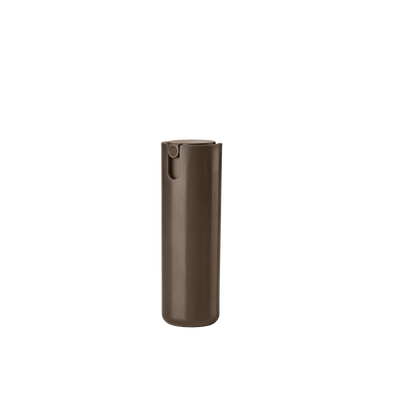
Save 30%
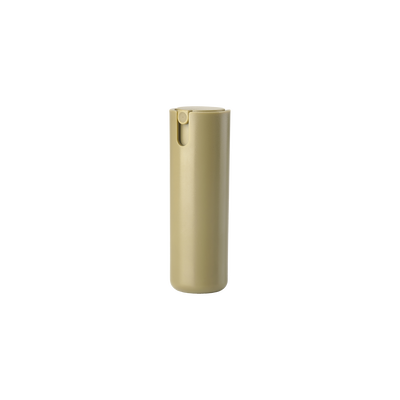
Save 30%
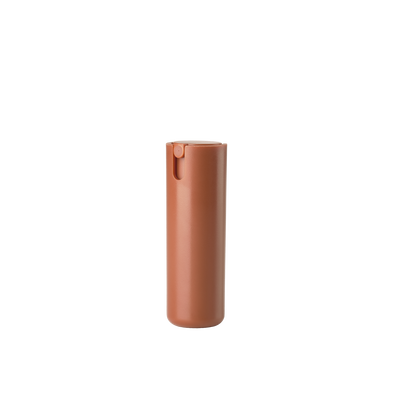
Save 30%
Hair and beard trimmers: what’s the difference, and what should you choose?
One of the main choices in Personal Care is whether you need a trimmer for hair, beard, or both. A hair trimmer is typically made to take more hair at a time and to run steadily over larger areas, for example the back of the neck and the sides. A beard trimmer is more focused on precision around contours and on working closer to the skin without feeling bulky.
If you cut your hair at home, or you regularly tidy up edges and length, a hair trimmer set is a practical option. You usually get several length settings so it is easier to keep an even result, and it helps you achieve a neat look without too many attempts. For beard and stubble, it is more relevant to look at how finely you can adjust the length, and whether the trimmer is easy to control around the upper lip and jawline.
Personal care for men often comes down to wanting one device that can handle a bit of everything. In that case, it helps to choose based on your routine. Do you trim the whole beard to the same length, or do you create clear transitions and defined edges? The more detail you want, the more important it is that the trimmer feels good in your hand and can be guided precisely.
A simple rule of thumb is to choose a hair trimmer if you mostly work on head hair, and a beard trimmer if you mostly shape and maintain facial hair. If you do both, choose the type that suits the task you do most often, and add a more specialised option later if you find you need it.
Beard trimmer with suction: when does it make sense?
A beard trimmer with suction is relevant if you want to minimise hair residue by the sink and make clean-up easier. Suction can be especially useful when trimming dry stubble, which otherwise tends to land on the countertop and in the basin. It does not change the fact that you still need to aim carefully and take your time, but it can make the whole process feel more manageable on busy days.
This type of trimmer suits you if you trim often and want to get it done quickly without turning it into a bigger project afterwards. It can also be a good choice if you share a bathroom and want to leave it tidy. On the other hand, it is worth considering whether you prefer a more compact trimmer. If you often take your trimmer with you, size and storage may matter more than the suction function.
When you compare options, think about your typical trimming situation. Do you mostly trim right after a shower, when hairs can be more damp, or do you trim dry? Suction is usually most relevant for dry trimming. If you mainly use a trimmer for small edges and quick touch-ups, you may find that precision and easy cleaning matter most in everyday use, whether there is suction or not.
Hair dryers: what to look for in everyday use
A hair dryer is a personal care tool people use in many different ways. Some simply want to dry hair quickly, while others use a dryer for styling and more control over shape and direction. That is why it makes sense to choose based on whether it will be a regular part of your styling, or mostly a practical tool after showering.
If you dry long or thick hair, it helps to have a hair dryer that feels steady in use and works effectively so you do not have to stand there for too long. For short hair, ergonomics and simple handling can matter more, because you often change angles and work closer to the head. Whatever your hair type, it is worth considering whether you want to adjust heat and airflow so you can adapt drying to what you need in the moment.
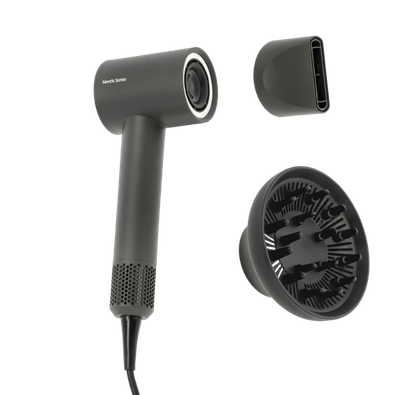
Another difference is accessories and how you use them. If you focus on smoothing and directing the hair, a nozzle that concentrates the airflow can make it easier to work with precision. If you have natural curls, or you want to avoid disturbing the hair’s structure too much, a diffuser can be relevant. It is not a requirement, but it can make the routine simpler if you know you will actually use it.
A final practical consideration is noise and comfort. If you use a hair dryer early in the morning or often, notice whether it feels comfortable to hold, and whether the cord and weight fit your bathroom setup. Small details like that are often what decide if it gets used every day or ends up at the back of the cupboard.
Lint removers: when are they useful to have?
A lint remover is a simple tool, but it can make a clear difference on knitwear, coats, and upholstery textiles where pilling and small knots appear. It is especially relevant if you have clothes you would like to keep looking neat for longer, or if you often find that fabrics look worn quickly even though there is nothing actually wrong with them.
The difference between a lint remover and a lint roller is that the roller typically picks up hair and loose fibres on the surface, while the lint remover works on the small knots that are stuck in the fabric. That is why a lint remover makes most sense on wool, blended fabrics, and tighter weaves where pilling tends to settle in. With very delicate materials, it is a good idea to start gently and check how the fabric reacts.
Also think about where you will use it. If you often get clothes ready right before you head out, it helps to have a lint remover that is easy to take out and put away again. If you use it less often, the key point may simply be that it is easy to clean after use so it does not become annoying to maintain.
Hand spray and other care products: matching them to your home
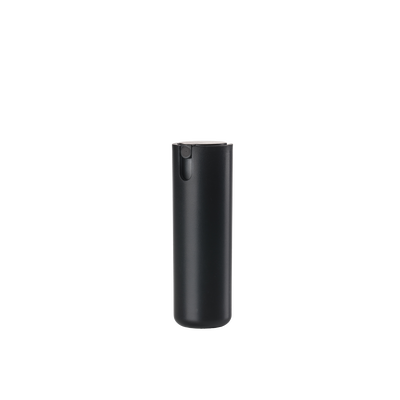
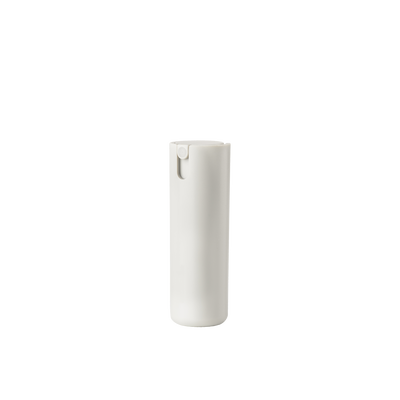
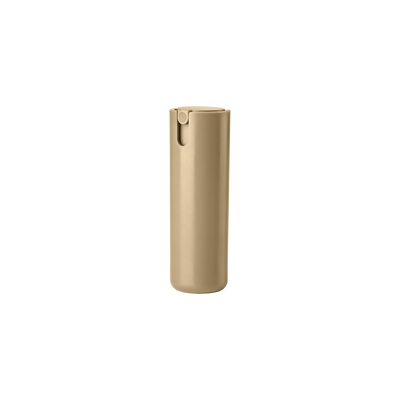
Personal Care can also be about small products that make everyday life more hygienic and straightforward. A hand spray can be relevant if you want to freshen up your hands during the day, or if you want an option that is easy to keep by the hallway, in a bag, or in the car. Here, the situation matters most. If it is mainly for home use, it can be helpful if it stands steadily and is easy to grab. If it is for taking out with you, size and closure matter more.
It can also help to think of Personal Care together with the rest of your home care choices. If you focus on a clean and practical everyday routine, Personal Care can sit naturally alongside the items you already use to keep things tidy at home. Some people move on to Cleaning Supplies if they are missing essentials for daily upkeep, while others look at Storage and Organizing when small care items and appliances need a dedicated place.
Depending on how you use appliances in the bathroom, air and comfort can also come into the picture. If you want to support a better indoor environment, it can be relevant to explore Climate and Ventilation, or to get an overview with Thermometers and Weather Stations. If you are looking at several home care categories at once, it can be helpful to step back to Home Care or return to Home Decor to find what fits the rest of your home.
If your routine also includes clothing care, you might compare options such as Clothes Steamers or Iron and Accessories, and for drying and airing you can look at Drying Racks and Accessories. For day-to-day cleaning around the home, related categories include Vacuum Cleaners and Accessories, Floor Cleaning and Window Cleaning. In some homes, it is also practical to keep an eye on smaller equipment like Shoe Dryers and Smoke Alarms, depending on what you are organising in the same area.
Whether you choose a trimmer, a hair dryer, or smaller care products, the most useful starting point is how often you will use them and where they will be stored. When the choice fits your routine, it is more likely to be used regularly.
Frequently asked questions
What is the difference between a hair trimmer and a beard trimmer?
A hair trimmer is usually designed to take more hair at a time and run steadily over larger areas like the sides and back of the head. A beard trimmer is more about precision around contours and working closer to the skin without feeling bulky. In everyday use, this means a hair trimmer is often easier for quick, even cuts, while a beard trimmer is easier to control for shaping.
Should I choose a hair trimmer set if I cut my hair at home?
If you cut your hair at home or regularly tidy up edges and length, a hair trimmer set can be a practical choice because it typically includes several length settings. In practice, this helps you keep the result even without having to go over the same area repeatedly. It also makes it easier to maintain a neat look between haircuts.
What matters most when choosing a trimmer for beard and stubble?
For beard and stubble, it is useful to focus on how finely you can adjust the length and whether the trimmer is easy to control around the upper lip and jawline. In everyday use, this means you can keep the length consistent and handle small touch-ups without the trimmer feeling awkward. If you want defined edges and transitions, comfort in the hand becomes more important.
Is a beard trimmer with suction actually useful?
A beard trimmer with suction can make sense if you want to reduce hair residue around the sink and make clean-up simpler. In practice, this helps most when trimming dry stubble, which otherwise tends to land on the countertop and in the basin. It still helps to aim carefully and take your time, as suction does not replace careful trimming.
When should I prioritise suction versus a more compact trimmer?
Suction is usually most relevant if you trim often, do it dry, and want less mess afterwards. If you often take your trimmer with you, a more compact design may suit you better because storage and size matter more. In everyday use, this means choosing based on whether your routine is mainly quick bathroom trimming or regular travel and packing.
What should I look for in a hair dryer for everyday use?
It helps to choose based on whether you mainly want quick drying or you also use the dryer for styling and control. In everyday use, this means considering whether adjustable heat and airflow would let you adapt to different situations. Practical details like comfort in the hand, cord length, and overall weight can also affect whether it feels easy to use regularly.
Do I need a nozzle or diffuser with a hair dryer?
A nozzle can be useful if you want to smooth and direct the hair more precisely by concentrating the airflow. A diffuser can be relevant if you have natural curls or want to avoid disturbing the hair’s structure too much. In practice, these attachments make it easier to match your drying routine to the result you are aiming for.
What is the difference between a lint remover and a lint roller?
A lint roller typically picks up hair and loose fibres sitting on the surface. A lint remover is designed to work on small knots and pilling that are stuck in the fabric, which is common on knitwear, coats, and upholstery textiles. In everyday use, this means a lint remover is more relevant when clothes look worn due to pilling rather than loose lint.