
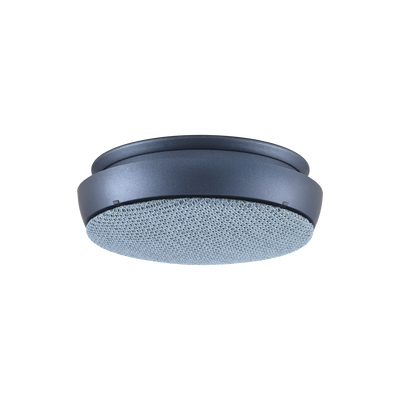
What to consider before choosing smoke alarms
Smoke alarms can look similar, but the most important choice is how they will work in your home. Placement and the number of alarms matter most, because the need is rarely the same in a kitchen, a hallway, and a bedroom. Many people choose one solution for the main areas and then add more where needed, so there is a consistent thread in both function and appearance.
A good way to browse this category is to start broadly and then narrow down. First, think about which areas you want to prioritise. Next, compare designs and decide whether you want something that stays more in the background visually. From there, it becomes easier to choose a set-up that matches how your rooms are used and how you want your home to look.
Start by considering which rooms give you the most peace of mind to cover. A smoke alarm near sleeping areas is often a natural place to begin. After that, you can look at rooms with more day-to-day activity, such as living areas and hallways. If your home has more than one floor, it can also make sense to consider whether you want a smoke alarm on each level, so the nearest alarm is not far away.
Finally, there is the practical preference. You may want a model that is easy to keep discreet and fits in with ceilings and lighting without drawing attention. This is often where people begin looking for a more considered design.
Jacob Jensen smoke alarms and where they fit in
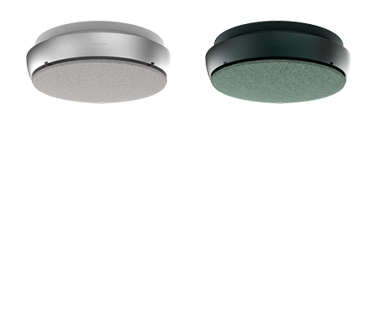
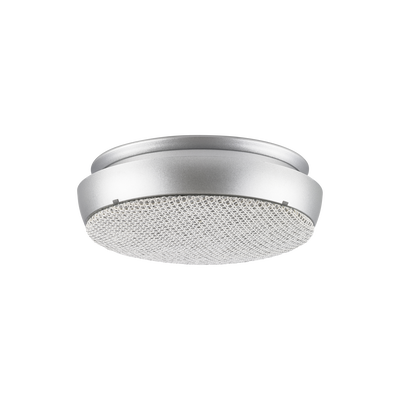
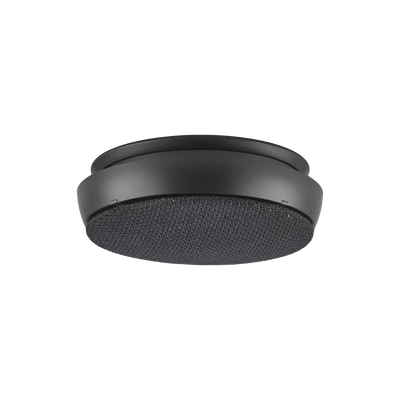
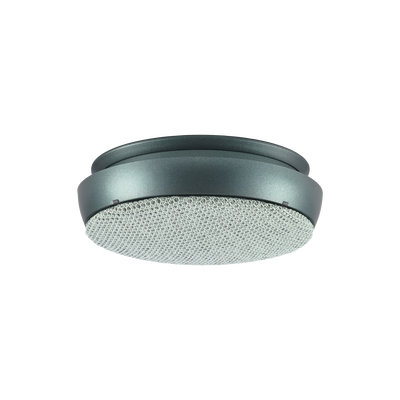
If you are looking for a Jacob Jensen smoke alarm, it is typically because you want an alarm that feels visually natural in the home. In many homes, the smoke alarm is clearly visible, so it can make sense to choose a model you do not feel you need to hide. This can be a particularly good match for open-plan spaces, entryways, and living areas, where the ceiling surface is a clear part of the interior.
Jacob Jensen is often associated with a simple, calm design language. That can be helpful if you furnish with clean lines, or if you simply prefer to avoid household essentials looking too technical. It is not about turning safety into decoration, but about choosing a solution you are comfortable seeing every day.
It can also be the right direction if you want to keep a consistent style across rooms. If you need more than one smoke alarm, the overall look often feels more cohesive when they match. This is especially relevant in connected hallway spaces and in homes with multiple floors, where you may place several units.
How many smoke alarms make sense for your home
The number of smoke alarms depends on your home’s size, layout, and where you spend most of your time. Many start by covering the places where an alarm feels most useful in everyday life, and then expand from there. In a smaller home, a single well-chosen placement can often feel sufficient, while a house with multiple rooms and floors typically calls for more.
A practical way to think about it is to view your home in zones. The sleeping zone is one area, and shared areas such as the living room and hallways are another. If you have a basement level or an upper floor, it can feel reassuring to have coverage beyond just the main level. In homes with long corridors or many closed doors, it can also help to avoid large gaps between units.
If you prefer to keep things straightforward, it can help to choose smoke alarms that match when you need several. That way, it is easier to keep a consistent look and a consistent approach to how you relate to them around the home. If you are also thinking about other practical choices, you may see this as part of the same overall picture as climate and ventilation, where placement and function also play a big role.
Placement and room types, without making it complicated
Placement has a big impact on whether smoke alarms feel like a natural part of your home. Most people want something that is visible enough to feel reassuring, but not so dominant that it takes focus. That is why it can help to think about which rooms call for a more discreet look, and where it does not matter if the alarm is clearly seen.
Living areas and hallways
In living areas such as the living room and hallway, many choose a smoke alarm that sits calmly against the ceiling. These are often the rooms you see most, and where small details are more noticeable. Browsing the category with these rooms in mind can help you compare designs and decide what feels easiest to live with visually.
Bedrooms and similar rooms
In sleeping areas, the focus for many is feeling covered without making the room feel overly technical in expression. If you have a home office or a guest room, it can be the same consideration. You want the room to feel like a room, not like a set-up of devices.
The kitchen
The kitchen is a special case because there is often more activity and more that affects the air. Here, it is typically about choosing placement thoughtfully and being aware that the kitchen is not always the most obvious place to put an alarm very close to cooking. If you already review practical home-care solutions by room, it can feel natural to consider this together with everyday categories like cleaning supplies and window cleaning, because it is often the same rooms that shape your routines.
A simple rule of thumb is to choose a placement where the smoke alarm suits the room visually, while still giving you the sense that it covers the part of the home you want to prioritise. Once that is decided, the choice is rarely difficult.
When smoke alarms should fit into the rest of your home care choices
For many people, smoke alarms are closely tied to how they want their home to function overall. It can be about choosing a few well-considered solutions you do not have to struggle with, and that fit into the bigger picture. If you already prefer a style where products look calm and consistent, it can make sense to choose smoke alarms with a design that does not disrupt the overall look.
In everyday shopping, people often choose smoke alarms based on the same practical considerations as the rest of home care. Should it be easy to keep looking neat, should it look good in daily life, and should it fit in without you having to adapt your interior around it? This is where Jacob Jensen smoke alarms make sense for many, because the look is intended to be visible in the home.
If you are updating other parts of your home care set-up at the same time, it can be helpful to include smoke alarms in that overview. You might be streamlining cleaning with vacuum cleaners and accessories or floor cleaning. You might be focusing on everyday order with storage and organizing. For practical parts of daily life, it can connect naturally with items like drying racks and accessories, clothes steamers, and iron and accessories.
Then there are smaller things that make daily life feel simpler when the basics are in place. That could be getting a clearer overview of temperature and weather with thermometers and weather stations, or practical solutions like shoe dryers. In that sense, smoke alarms are the same type of decision: something you prefer to have sorted, and that should simply fit in.
If you want to keep browsing, you can go back to Home Care to compare related categories, or return to Home Decor for the broader overview. If you are looking at products connected to daily routines, personal care can also be a natural next step.
Frequently asked questions
What should I think about first when choosing smoke alarms for my home?
Start with how the alarms will work in your rooms rather than how they look. In everyday use, this means thinking about placement and how many alarms you need in key areas such as hallways, living spaces, and near sleeping areas. Once you know which rooms you want to prioritise, it becomes easier to narrow down designs that suit your home visually.
How can I browse smoke alarms without getting overwhelmed by similar-looking options?
A practical approach is to begin broadly and then narrow down based on which rooms matter most to you. In practice, this helps you compare options by use, such as alarms for main areas first and extra units where needed. After that, you can decide whether you want a more discreet look or a design you are happy to see every day.
Where do people usually start when deciding where to place smoke alarms?
Many people start near sleeping areas, because that is often the place that gives the most peace of mind. In everyday use, this means you can prioritise bedrooms or the hallway outside them before adding coverage to shared spaces. From there, you can look at living areas and hallways where you spend more time day to day.
How many smoke alarms make sense in a small home compared with a larger house?
It depends on your home’s size and layout, and how separated the rooms are. In practice, a smaller home may feel covered with one well-chosen placement, while a house with several rooms or floors typically calls for more units. Thinking in zones, such as sleeping areas and shared areas, makes it easier to spot where gaps might be.
Why do some people choose Jacob Jensen smoke alarms?
People often look for a Jacob Jensen smoke alarm when they want an alarm that feels visually natural on the ceiling. In everyday use, this means you may be more comfortable placing it in open-plan rooms, entryways, or living areas where it will be clearly seen. It can also help keep a consistent style if you need several alarms across connected spaces.
How does the room type affect smoke alarm placement, especially in a kitchen?
Different rooms can call for different placement choices, depending on activity levels and how visible you want the alarm to be. In practice, many people place alarms calmly in living areas and hallways, while aiming for sleeping areas to feel covered without making the room feel technical. The kitchen is often treated as a special case, where it can help to avoid placing an alarm very close to cooking.
Should I choose matching smoke alarms if I need more than one?
If you need several alarms, choosing matching designs can make the overall look feel more cohesive across rooms. In everyday use, this makes it easier to keep a consistent approach in connected hallways, open-plan spaces, and homes with multiple floors. It can also help the alarms feel like a considered part of the home rather than separate add-ons.