
Make homemade ice cream with an ice cream machine
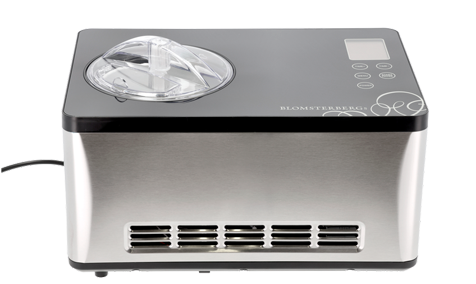
Ice cream can be served as a snack or as part of a dessert, and an ice cream machine gives you a simple way to make it yourself at home. When you make homemade ice cream, you can combine ingredients and flavours as you like and work towards the texture you want. That makes this category useful if you want to compare different machines before choosing one.
You may want classic vanilla or strawberry ice cream, or you may prefer combinations with exotic fruit, dark chocolate or coffee. An ice cream machine gives you room to experiment with different flavour directions while keeping the process straightforward. In this selection, you can browse ice cream machines and compare the main differences that matter when choosing.
Many shoppers start with capacity and overall design, then move on to practical details such as whether the machine has a compressor. A practical way to choose is to begin with how much ice cream you want to make at one time and then look at which functions fit that need. The category helps you move from a broad overview to more specific comparisons.
In the range, you will also find ice cream machines from Kitchenware collections, including models from kitchen appliances.
Which ice cream machine should you choose?
Choosing an ice cream machine can seem complicated at first, but it becomes easier when you compare a few key points. On this page, you can explore a broad selection of ice cream machines, and the main things to consider are size and design. Looking at these factors first helps you narrow the range in a practical way.
If you make ice cream for larger groups, it helps to choose a machine with a larger capacity. In this category, you can compare sizes such as 1.2 litres, 1.5 litres, 1.7 litres and 2 litres. For most situations, capacity is one of the quickest ways to sort the selection, because it shows how much mixture the machine can handle at a time.
Design can also make a difference when you compare models. Some shoppers prefer to start with appearance and then check the size, while others begin with capacity and then look at the design they prefer. The structure of a webshop category page makes that easier, because you can move from the full overview to the models that match your preferred combination.
Ice cream machines with a compressor
Some ice cream machines are made with a compressor that cools the bowl while the machine is working. With this type, you do not need to pre-freeze the bowl in advance. That can make preparation more direct and can be an important difference if you want to compare convenience across the range.
Homemade ice cream can be ready in around 20 to 40 minutes, depending on the machine and the recipe. If you want to get started without cooling the bowl beforehand, this helps you identify which models are most relevant to compare first. If you are looking through the wider appliance range as well, you can also browse categories such as blenders and food processors, hand blenders and mini food processor options for preparing ingredients.
What is an ice cream machine?
An ice cream machine is a kitchen appliance used to make ice cream. If you enjoy trying flavours beyond the ones usually found in shops, this type of machine gives you a dedicated way to work with your own combinations at home. It is a category for shoppers who want to compare models based on how they support homemade ice cream making.
It is possible to make ice cream in a freezer, but an ice cream machine is the easier route if your main goal is the right consistency. That is why many users browse this category by starting with the basic machine type and then comparing features that affect the process.
How to make ice cream in an ice cream machine
Making homemade ice cream is simple. The exact steps can vary by model, so it is important to follow the manufacturer instructions for the machine you choose. Still, the general process is similar for most ice cream machines and helps shoppers understand how the category fits into everyday kitchen use.
1. Prepare the ingredients
Start by gathering the ingredients and flavourings you want to use. A basic vanilla ice cream recipe can include 500 ml cream, 250 ml whole milk, 150 g sugar and 1 tablespoon of vanilla extract or 1 vanilla pod.
2. Mix the ingredients
Combine the cream, milk, sugar and flavourings in a bowl until the sugar has dissolved. If you are using fruit or berries, a finer texture can be achieved with a blender or food processor. If you are comparing preparation tools alongside your machine, you can also look at hand mixers and mixers.
3. Chill the mixture if needed
If your ice cream machine does not have a compressor, chill the mixture in the refrigerator for at least 2 hours before pouring it in. It needs to be fully cold first. If the machine has a compressor, you can skip this step and begin straight away.
4. Start the machine
Make sure the machine is ready to use according to the product instructions.
5. Add the mixture
Pour the ice cream mixture into the machine while it is running.
6. Let the machine work
Let the machine run until the ice cream reaches the consistency you want, usually around 20 to 40 minutes depending on the machine and recipe.
7. Serve or store
When the ice cream is ready, it can be served immediately as soft ice cream, or transferred to a container and frozen for a further 2 to 4 hours for a firmer consistency. Some machines also have a cooling function so the ice cream can stay in the machine for a while after preparation.
What types of ice cream can you make?
An ice cream machine gives you several directions to explore. This can include creamy ice cream, frozen yoghurt, Italian gelato and sorbet. Creamy ice cream can be flavoured with chocolate, fruit or berries. Frozen yoghurt is a lower-fat alternative. Gelato offers another creamy style, while sorbet is a refreshing option made with flavours such as berries, elderflower or citrus.
For many shoppers, this category is useful because it supports both browsing and comparison. You can start with the type of ice cream you want to make, then move on to capacity and machine type. If you are building out your kitchen setup more broadly, related categories include coffee machines, electric kettles, toasters, toasters and panini grills and waffle irons.
Serve homemade ice cream with the right finishing touch
Once you have worked on flavour combinations and reached the texture you want, presentation is the final step. Homemade ice cream can be served neatly and finished with elements such as greens, crumble or dessert sauces.
If you are browsing the wider appliance category at the same time, you can continue through sections such as airfryers, hot plates, microwave and mini ovens, pizza ovens, raclette, rice cookers, sous vide and other electrical products. These links make it easier to move between related product groups while comparing kitchen appliances across the webshop.
Find the right ice cream machine for your kitchen
If you want to make homemade ice cream yourself, this category brings together the main options in one place. You can compare size, design and whether a machine has a compressor, then narrow your choice based on how you want to prepare and serve your ice cream. That makes the page useful both for quick browsing and for more detailed comparison before choosing a model.
Frequently asked questions
How do I choose the right ice cream machine for my needs?
A practical place to start is capacity, because it shows how much ice cream the machine can make at one time. In everyday use, this means that if you make ice cream for larger groups, a larger bowl may suit you better. After that, you can compare design and whether the machine has a compressor.
What capacity should I look for in an ice cream machine?
The category includes sizes such as 1.2 litres, 1.5 litres, 1.7 litres and 2 litres. In practice, this helps you match the machine to how much mixture you want to prepare in one batch. Capacity is often one of the quickest ways to narrow your options.
What is the difference between an ice cream machine with a compressor and one without?
An ice cream machine with a compressor cools the bowl while the machine is running, so you do not need to pre-freeze it. In everyday use, this means that you can start making ice cream more directly. A machine without a compressor usually requires the mixture to be fully chilled first.
How long does it usually take to make ice cream in an ice cream machine?
Homemade ice cream is usually ready in around 20 to 40 minutes, depending on the machine and the recipe. In practice, this helps you plan whether you want to serve it straight away as a softer ice cream or freeze it further for a firmer result. The exact timing can vary from model to model.
How do you make ice cream in an ice cream machine?
The general process is to prepare the ingredients, mix them, chill the mixture if needed, and then pour it into the machine while it is running. In everyday use, this means following the manufacturer instructions for your model and letting the machine run until the texture looks right. After that, you can serve it immediately or freeze it for a few more hours.
Do I need to chill the ice cream mixture before using the machine?
If the machine does not have a compressor, the mixture should be chilled in the refrigerator for at least 2 hours before use. This makes it easier for the machine to work with a fully cold mixture from the start. If the machine has a compressor, you can usually skip that step.
What kinds of ice cream can you make in an ice cream machine?
You can make several types, including creamy ice cream, frozen yoghurt, gelato and sorbet. In practice, this helps you try different textures and flavour styles depending on what you want to serve. The category content also mentions flavours such as chocolate, fruit, berries, elderflower and citrus.
How can I narrow my options when comparing ice cream machines online?
A simple way is to begin with the broad overview and then focus on the features that matter most, such as capacity, design and compressor function. In everyday use, this means you can move from general browsing to more specific selections without making the process complicated. It can also help to think first about how much ice cream you want to make at one time.