What is the difference between a mixer and a kitchen appliance?
A kitchen appliance is a broad term used for many different electrical products for the kitchen, such as hand mixers, blenders and mixers. In other words, it covers the different machines that can help with preparation and cooking in the kitchen.
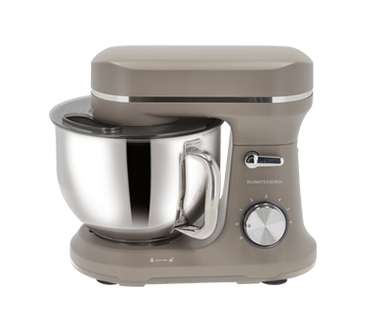
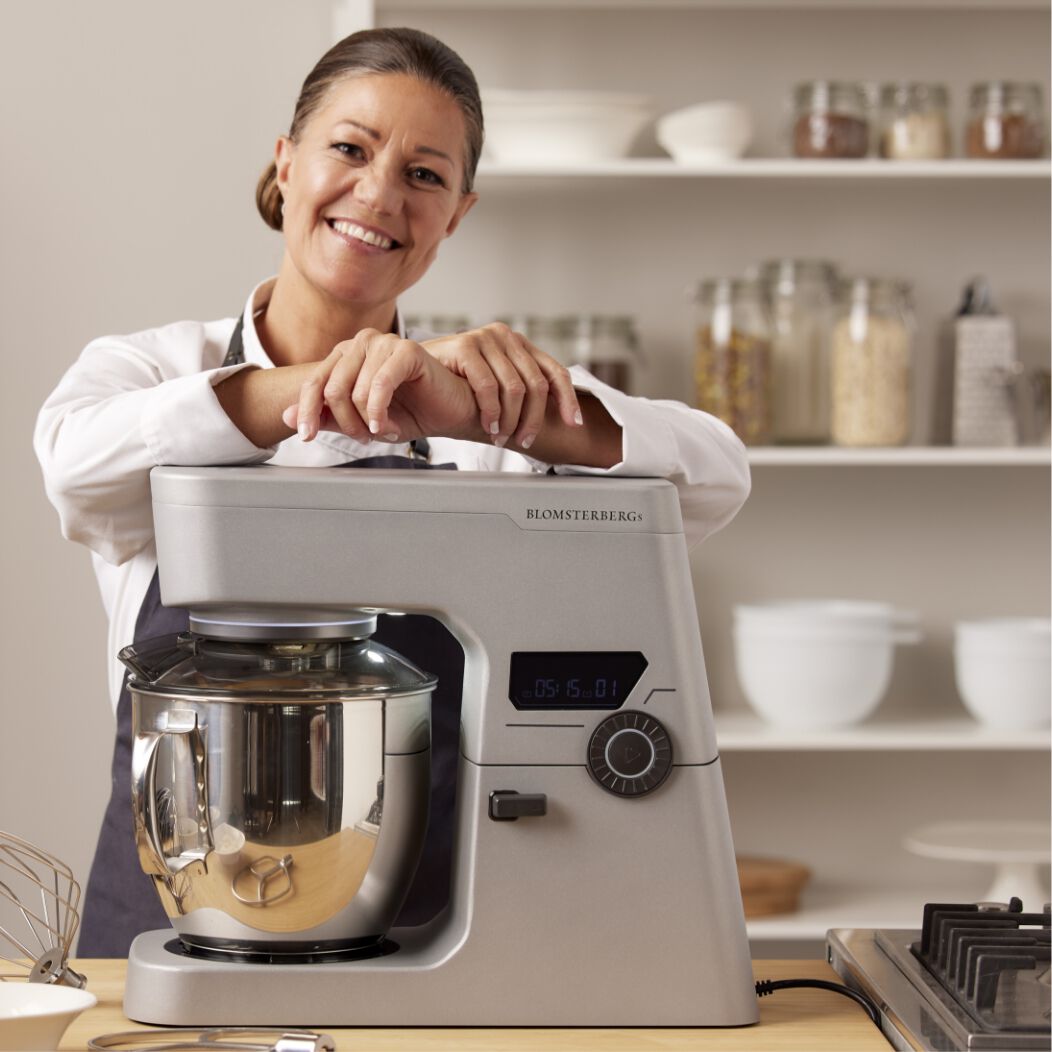
A mixer is more specifically designed for tasks that involve mixing, whipping and kneading dough and ingredients. It will usually have a large bowl and a motor-driven whisk or dough hook system, which makes it easier to work with heavier mixtures such as bread dough or cake batter.
Mixers are especially useful for baking and kneading because they can handle longer mixing processes without manual effort. If you want to explore the wider category, you can also browse kitchenware and the full selection of kitchen appliances.
What is the difference between a mixer and a food processor?
When you are looking for new equipment for the kitchen, it can be difficult to see the difference between the various product types. A practical way to choose is to start with the kind of task you want the machine to handle most often.
As a general rule, a mixer is best for different kinds of dough, from bun dough to meat mixtures. It has a large arm that can be fitted with different tools, such as a whisk or a dough hook, depending on the task and the ingredients.
Blenders and food processors are more often used for slicing, chopping and blending ingredients such as vegetables. If you mainly need help with smaller chopping tasks, a mini food processor may also be relevant, while a hand blender is useful when you want to blend directly in a pot or bowl.
What can you use a mixer for?
If you are considering buying a mixer but are unsure whether you will use it enough, it helps to look at the range of tasks it can support. A mixer can make work in the kitchen both easier and faster, especially when recipes involve repeated mixing or kneading.
It is an especially useful helper if you enjoy baking, as it is particularly well suited to kneading dough. In everyday use, it can also help with many other kitchen tasks.
A mixer can, for example, be used to prepare light cake batter, smooth pancake batter without lumps, whipped meringue, mixed meat mixture, bases for homemade ice cream and parfait, and creamy mashed potatoes made from warm potatoes. Many users start with baking tasks and then discover that the machine is also practical for savoury dishes and desserts.
Most kitchen machines today also come with different hooks and accessories, so you can get started with a range of tasks straight away. If you need extra support for whipping by hand or smaller mixtures, you can compare with hand mixers. For desserts and frozen mixtures, you may also want to see ice cream machines.
Which mixer should I choose?
Choosing the right mixer can feel difficult because there are many models available. For most situations, the easiest approach is to start with your own needs and then narrow the choice step by step. On a webshop page like this, that often means first comparing what you want to make, then looking at size, settings and accessories.
1. How much do you bake?
Because a mixer is especially useful for baking, it is worth considering how often you bake and how demanding your usual recipes are. The more frequently you bake, the more likely you are to benefit from stronger motor power and more setting options.
2. Speed settings
It is also worth deciding how many speed options you want. Different speed levels each have their own practical use. Lower speeds make it easier to add ingredients without stopping the machine, while higher speeds are useful when you want to mix thoroughly or whip cream and meringue.
3. Design and size
Before choosing a model, think about how much space you have for your mixer and where it will be stored when not in use. This makes a real difference when comparing sizes. Design and colour can also matter, especially if you expect to keep the machine on the worktop rather than in a cupboard.
4. Accessories for the mixer
Many mixers include basic equipment such as a dough hook, a balloon whisk and a flat beater. There can also be additional accessories available for some models, including items such as blenders, juicers and shredding attachments. If you prefer to gather more functions in fewer machines, accessories can be one way to do that, but the best choice still depends on what you actually need.
5. How many watts should a mixer have?
There is no single answer to how many watts a mixer should have. It depends largely on your needs. Wattage has a direct effect on the machine's power, so if you are looking for a more powerful mixer for larger tasks, it makes sense to compare models with higher wattage.
6. How long can a mixer run?
It is always a good idea to read the user instructions before using your mixer. The allowed running time can vary from one machine to another, so this is something to check on the specific model before use.
Kitchen appliances for different tasks in the kitchen
Cooking can take both time and effort, especially when a recipe involves repeated mixing, slicing, kneading or chopping. That is often where it helps to compare several appliance types before deciding which one best fits your needs.
If you are browsing beyond mixers, there are many related product groups that support different cooking tasks. For hot drinks and boiling water, you can look at electric kettles. For breakfast and smaller meals, there are toasters, toasters and panini grills and waffle irons. If you are comparing compact cooking options, you can also see microwave and mini ovens and hot plates.
For other meal types and preparation methods, the wider range also includes airfryers, pizza ovens, rice cookers, sous vide and raclette. If you are looking for drinks and coffee preparation, you can browse coffee machines. You can also view other electrical products if you want to compare more categories in one place.
How this category helps you compare mixers
When you shop for a mixer online, it is useful to move from broad choices to more specific ones. Many users begin by deciding whether they need a mixer at all, or whether a blender, food processor or hand mixer would be a better fit. The next step is usually to compare how often the machine will be used, what types of dough or mixtures it should handle, how much space is available and whether accessories matter for the way you cook.
This category makes that process easier by bringing together mixers in one overview, so you can compare models and narrow your options based on function, size and intended use. If you are also exploring the wider selection of appliances for everyday cooking, baking and preparation, the surrounding appliance categories can help you build a clearer picture of which machine suits which task.
Frequently asked questions
What is the difference between a mixer and a kitchen appliance?
A kitchen appliance is a broad term for many electrical products used in the kitchen, while a mixer is a machine made specifically for mixing, whipping and kneading. In everyday use, this means that a mixer is the more relevant choice when you regularly make dough, batter or other mixtures that need longer mixing.
How is a mixer different from a food processor?
A mixer is mainly intended for doughs, batters and mixtures that need whisking or kneading, often using tools such as a dough hook or whisk. A food processor is more often used for chopping, slicing and blending ingredients, and in practice this helps you choose based on whether you prepare dough or chopped vegetables more often.
What can you use a mixer for in everyday cooking and baking?
A mixer can be used for cake batter, pancake batter, meringue, bread dough, meat mixtures, homemade ice cream bases, parfait and mashed potatoes. In practice, this helps you handle repeated mixing tasks with less manual effort, especially if you bake often or prepare larger mixtures.
Which mixer should I choose for my needs?
It helps to start with what you want to make most often, then compare size, speed settings, accessories and motor power. This makes it easier to narrow your options and find a mixer that fits both your cooking habits and the space you have available.
How many speed settings does a mixer need?
The right number of speed settings depends on how you plan to use the mixer. Lower speeds make it easier to add ingredients gradually, while higher speeds are useful for thorough mixing or whipping cream and meringue, so in practice this helps you work more accurately with different recipes.
How much motor power should a mixer have?
There is no single wattage that suits everyone because the right level depends on the type of mixing you want to do. In everyday use, this means that heavier or larger tasks may call for a more powerful mixer, while lighter tasks may not need as much power.
How long can a mixer run at one time?
The allowed running time varies between models, so it is important to check the user instructions for the specific mixer before use. In practice, this helps you use the machine correctly and understand its limits during longer mixing or kneading tasks.
How can I compare mixers more easily when shopping online?
A practical approach is to begin with broad questions, such as whether you need a mixer rather than a blender, food processor or hand mixer, and then move on to more specific features. This makes it easier to compare filtered choices based on intended use, size, accessories and the kinds of mixtures you want the machine to handle.