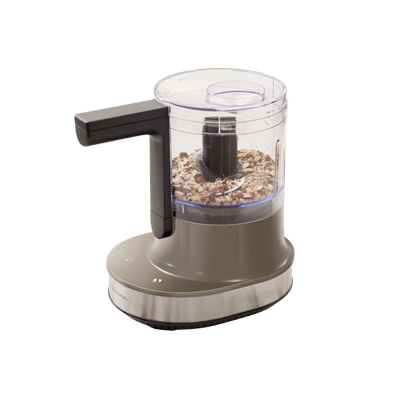
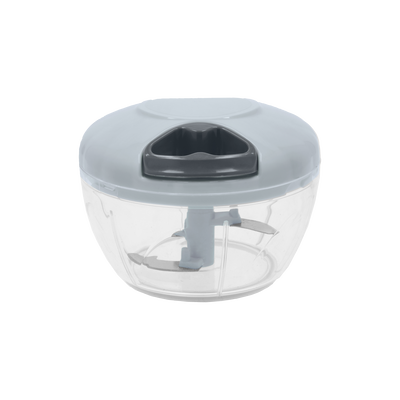
What is a mini food processor?
A mini food processor, also called a multi chopper, is a kitchen appliance used for chopping and mixing ingredients during food preparation. It is a versatile tool because it can handle dry ingredients, but it can also be used for wetter mixtures, such as whipping cream for dessert or mixing a dressing for salad.
Mini food processors are often compact, which makes them easy to store in the kitchen and quick to take out when needed. They help with a wide range of everyday kitchen tasks and give a more even result when you want ingredients chopped or mixed consistently.
On this page, you can compare mini food processors across the wider range of kitchenware and within our selection of kitchen appliances. Models from Blomsterbergs and by Tareq Taylor are included in the range.
What can you use a mini food processor for?
For many people, chopping and preparation are regular parts of cooking during the week. A mini food processor helps you get through those repeated tasks more quickly. A practical way to choose is to start with the ingredients you prepare most often and then look at which model suits those jobs best.
Onions and garlic
Many dishes begin with chopped onion or garlic, and that is one of the preparation tasks people often want to make easier. A mini food processor can chop onions very finely and saves you from cutting them by hand. If this is one of the jobs you do often, it can be one of the clearest reasons to choose this type of appliance.
Herbs
Fresh herbs can be chopped quickly and finely in a mini food processor. This makes it useful for pesto and other dishes where herbs need to be processed into a fine mixture. When herbs are chopped very finely, they release more flavour into the dish, and the result is difficult to achieve by hand in the same way.
Nuts
Whole nuts can be turned into a finely chopped mixture with a simple press. This is useful for cakes and bread, and the bowl helps keep the ingredients contained while chopping. If you often prepare baking ingredients, this can make comparison easier when you look at bowl size and motor strength.
Vegetables
Vegetables can also be chopped into a finer mixture in seconds. This is practical when you want a smoother texture in a dish or need to process different vegetables quickly. If vegetables are one of your main reasons for buying, it makes sense to compare how much each model can handle at one time.
Can you chop chocolate in a mini food processor?
Yes, a mini food processor can also be used to chop chocolate. It is a quick way to get finely chopped chocolate for baking or as a topping for desserts. If you switch between savoury preparation and baking tasks, this flexibility can be useful when narrowing down your choice.
Which mini food processor should you choose?
When choosing a mini food processor, it helps to move from broad needs to specific features. Start by thinking about the types of ingredients you most often prepare, then compare models based on capacity, power and functions. This makes it easier to find a model that matches how you actually use it in everyday cooking.
Capacity
Think about how large your usual portions are. Mini food processors come in different sizes, from very small units to models with larger bowls. If you mainly chop small amounts, a smaller bowl may be enough. If you often prepare larger quantities, a model with more capacity may be a better fit.
Power
Wattage affects how powerful the motor is. A stronger motor can more easily handle harder ingredients such as nuts or ice, while a lower wattage model may be suitable for softer ingredients like vegetables and herbs. If you already know the ingredients you plan to use most, this can help you compare models more directly.
Blades and accessories
Some mini food processors come with different blades or accessories for whipping, mixing or chopping. That gives more flexibility across both sweet and savoury preparation. If you want one appliance for several smaller kitchen tasks, it is worth checking which functions are included with each model.
Ease of use
Simple controls and speed settings can make a difference in daily use. Models with more than one speed give you better control over how fine or coarse the result becomes. If you want straightforward operation, this is another useful point of comparison when browsing the category.
Cleaning
Cleaning matters, especially for an appliance you may use often. It is useful to look for removable parts. The mini food processors in the range are easy to clean, with removable parts such as the blade, bowl and lid that are dishwasher safe.
Cordless or corded
If flexibility is important to you, a cordless model may be worth considering. It gives you more freedom in where you use it, but it is also important to check battery life. If you prefer a more traditional setup, a corded model may suit you just as well.
What is the difference between a food processor and a mini food processor?
A food processor is one of the fastest and most multifunctional kitchen appliances, but it also takes up more space. If you want some of the same basic functions in a smaller appliance, a mini food processor is a practical alternative.
The main difference is that a mini food processor is made for smaller ingredients and smaller quantities. It is well suited to ingredients such as onions and herbs, but it cannot grate or slice ingredients in the same way as a food processor. If you need a broader appliance for preparation, you can also explore blenders and food processors. If you want another compact option for blending tasks, see our selection of hand blenders. For whipping and lighter mixing, you can compare hand mixers and larger mixers.
How to clean your mini food processor
As with other electrical kitchen products, regular care helps keep your appliance ready for everyday use. Cleaning is straightforward when the removable parts can go in the dishwasher, and that can make a noticeable difference if you use the appliance often for small preparation tasks.
For many shoppers, cleaning is part of the final decision. After comparing functions such as chopping, mixing and whipping, it often helps to finish by looking at how easy each model is to take apart and clean.
How this category fits into the wider kitchen appliance range
Mini food processors are designed for smaller preparation jobs, but many shoppers also compare them with other appliances depending on what they want help with in the kitchen. If you are building a broader setup, you can continue through related categories such as airfryers, coffee machines, electric kettles and hot plates.
Other categories may be relevant depending on the type of cooking or baking you do most often. You can also explore ice cream machines, microwave and mini ovens, pizza ovens, raclette, rice cookers, sous vide, toasters and panini grills, toasters and waffle irons.
Frequently asked questions
What is a mini food processor used for?
A mini food processor is used for chopping and mixing smaller amounts of ingredients during food preparation. In everyday use, this means that it can help with tasks such as chopping onions, garlic, herbs, nuts, vegetables and even chocolate more evenly and quickly than doing it by hand.
What can I chop in a mini food processor?
You can use a mini food processor for ingredients such as onions, garlic, fresh herbs, nuts, vegetables and chocolate. In practice, this helps you prepare both savoury dishes and baking ingredients with a finer, more consistent result.
How do I choose the right mini food processor?
It helps to start with the ingredients you prepare most often and then compare models by capacity, power and included functions. This makes it easier to choose a mini food processor that suits your usual portion sizes and the types of tasks you want it to handle.
Why do capacity and motor power matter in a mini food processor?
Capacity affects how much you can prepare at one time, while motor power affects how easily the appliance handles different ingredients. In everyday use, this means that a larger bowl may suit bigger portions, while a stronger motor can be more useful for harder ingredients such as nuts or ice.
What difference do blades and accessories make?
Some mini food processors include extra blades or accessories for chopping, mixing or whipping. In practice, this helps you use the same appliance for a wider range of smaller kitchen tasks instead of only one type of preparation.
What is the difference between a food processor and a mini food processor?
A standard food processor is larger and usually offers more functions, while a mini food processor is designed for smaller ingredients and smaller quantities. This makes it easier to handle everyday jobs such as chopping herbs or onions, but it does not replace the wider slicing and grating functions of a full-size food processor.
Are mini food processors easy to clean?
Cleaning is usually straightforward when the removable parts, such as the bowl, lid and blade, can be taken apart easily. In practice, this helps you keep the appliance ready for regular use, especially if those parts are dishwasher safe.
Should I choose a cordless or corded mini food processor?
A cordless mini food processor gives you more flexibility in where you use it, while a corded model suits those who prefer a more traditional setup. In everyday use, this means that your choice depends on whether you value freedom of movement more or simply want a standard plug-in appliance.