What is a hand blender?
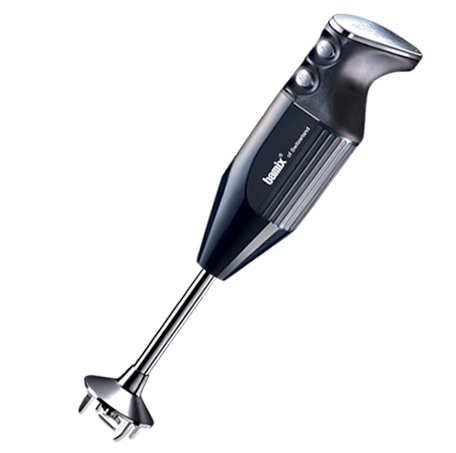
A hand blender is a practical kitchen tool for many everyday cooking tasks. It is a compact appliance that can be used directly in a pot, bowl or beaker, and with the right accessories, it can handle even more jobs in the kitchen. On this page, you can compare different hand blenders and see whether you need a simple model or a more flexible setup with extra parts.
Hand blenders were once used mainly for smoothing soup, but today they can do much more. With different blades and accessories, they can blend, mix, chop, froth and whip. That makes them useful for silky soups, puréed baby meals, mousses, homemade dressings, mayonnaise and batter. A practical way to choose is to start with the tasks you do most often and then look at which accessories support them.
If you are browsing more broadly, you can also explore the wider selection of kitchenware and see how hand blenders fit into the full range of products for food preparation.
What can you use a hand blender for?
Many cooking routines begin with the same preparation work, and chopping or mixing by hand often takes time. A hand blender can help with several of those tasks, especially when you choose a model with the accessories that match how you cook. In everyday use, that makes it easier to move from small preparation jobs to blending and finishing sauces, soups or desserts with the same appliance.
Hand blender with mini chopper
Onions, garlic and other vegetables are often the first step in cooking, but cutting them by hand can be uneven and time-consuming. A hand blender used with a mini chopper helps you chop ingredients quickly and more evenly. If this is one of the functions you need most, it can also be useful to compare hand blenders with the separate options in mini food processor to see which format suits your kitchen tasks best.
Hand blender with whisk attachment
Some hand blenders can be used with a whisking disc or whisk attachment that adds air to cream or mousse. If you often make lighter mixtures, this can be one of the most useful extras to look for. It also helps when comparing this category with hand mixers, which are better suited to dedicated whisking tasks, while a hand blender can cover several types of preparation in one appliance.
Hand blender with grinder
Freshly ground spices can change the result of a dish, and some hand blender systems can be used with a grinder or processor for that purpose. If you want to prepare your own spice blends, this is worth checking when you compare models. It is one example of how a hand blender can go beyond simple blending and become a more flexible kitchen appliance.
Hand blender with mixing beaker
A mixing beaker makes it easier to use a hand blender for smaller quantities, and some people also serve guacamole, dressing or purée directly from the beaker. For comparing products on a webshop, this is one of the practical details worth noticing, especially if you want a complete setup rather than only the motor unit and blending shaft.
If you are comparing other appliances in the same area, the broader range of kitchen appliances also includes alternatives for different preparation styles. Depending on the task, you may also want to look at blenders and food processors, mixers and other electrical products.
Which hand blender should I choose?
When you are choosing a hand blender, it helps to compare a few key points before narrowing down the range. The right model depends on how you plan to use it and whether you want only the basic blending function or a more versatile appliance with multiple accessories.
Design: If you plan to keep your hand blender visible in the kitchen, the design may matter as much as the practical features. This page makes it easier to compare styles alongside functions.
Functions: Some people only need a hand blender for blending, while others want chopping, whisking or grinding options too. If you want more than one function, a set can be a practical place to start. You can compare the options in hand blender sets to see which combinations include the accessories you need.
Watt: Motor power is worth considering if you expect to work with harder ingredients. For lighter tasks such as smoothies or cooked vegetables, a lower wattage may be enough. For more demanding jobs such as crushing ice, chopping nuts or puréeing hard vegetables, you should look at more powerful models. At the same time, wattage is not the only thing that matters. Blade quality and the design of the blending foot also affect performance.
Corded or cordless: Some users prefer the freedom of a cordless hand blender, while others are happy with a corded model. If you want to move around more freely while cooking, this can be a useful filter when comparing products.
Some hand blenders also have variable speed settings, which can help you adjust the power to the task. In most cases, comparing function, accessories and motor strength together gives a clearer picture than looking at one feature on its own.
bamix® hand blenders
This category also includes models from bamix®, a Swiss brand known for hand blenders with a wide range of uses and many accessory options. If you are already familiar with the brand or want to compare those models directly, you can browse the selection of bamix hand blenders. That makes it easier to focus on one series while still comparing functions, accessories and design.
Hand blender sets
A hand blender set is useful if you already know that you want more than the basic blending tool. Sets can include different blades, a wall holder and mixing beakers in one package, which makes it easier to compare complete solutions instead of separate parts. If you typically want one appliance to cover several preparation tasks, looking at sets first can help you narrow the category more quickly.
How many watts should a hand blender have?
The number of watts is one of the points many shoppers compare first. How much power you need depends on the type of tasks you expect your hand blender to handle.
It depends on your needs
For light tasks such as blending smoothies or mashing cooked vegetables, a model in the 140 to 200 watt range is often sufficient. For more demanding work such as crushing ice, chopping nuts or puréeing harder vegetables, it makes sense to look for a model with 300 watts or more.
Also keep in mind
Wattage alone does not determine how well a hand blender works. The quality of the blades and the blending foot also matter, and some models offer variable speed settings for better control. When comparing products online, it helps to look at these details together so you can match the hand blender to the tasks you actually want to do.
Explore related kitchen appliances
If you are deciding between several types of appliances, it can help to compare hand blenders with related categories. For baking and mixing, see hand mixers or mixers. For larger blending and processing tasks, browse blenders and food processors. Other categories in the same section include airfryers, coffee machines, electric kettles, hot plates, ice cream machines, microwave and mini ovens, pizza ovens, raclette, rice cookers, sous vide, toasters and panini grills, toasters and waffle irons.
Frequently asked questions
What can you use a hand blender for?
A hand blender can be used for blending, mixing, chopping, frothing and whipping, depending on the model and accessories included. In everyday use, this means that one appliance can help with soups, puréed baby food, dressings, mayonnaise, batter and lighter desserts such as mousse.
How do I choose the right hand blender for my needs?
A practical way to choose is to start with the tasks you do most often and then check which accessories and functions support them. In practice, this helps you decide whether a simple blending model is enough or whether you need a more flexible setup with chopping, whisking or grinding options.
Does wattage matter when choosing a hand blender?
Yes, wattage can matter, especially if you want to work with harder ingredients. In everyday use, lighter tasks such as smoothies or cooked vegetables may suit a lower wattage, while tougher jobs such as chopping nuts or puréeing harder vegetables may call for 300 watts or more.
Is a more powerful hand blender always better?
Not necessarily, because wattage is only one part of overall performance. In practice, this helps you compare products more accurately by looking at blade quality, the design of the blending foot and whether the model offers variable speed settings as well.
What is the benefit of a hand blender with accessories?
Accessories can make a hand blender more useful for different kitchen tasks. In everyday use, a mini chopper can help with onions and garlic, a whisk attachment can add air to cream or mousse, and a mixing beaker can make smaller quantities easier to prepare.
Should I choose a corded or cordless hand blender?
This depends on how you prefer to work in the kitchen. In practice, a cordless hand blender gives you more freedom to move around while cooking, while a corded model may suit you if you are happy to stay close to a power socket.
When is a hand blender set worth considering?
A hand blender set is worth considering if you already know you want more than the basic blending function. This makes it easier to compare complete solutions, because sets can include items such as extra blades, a wall holder and mixing beakers in one package.
How is a hand blender different from a hand mixer or food processor?
A hand blender is designed to handle several preparation tasks, especially blending directly in a pot, bowl or beaker. In practice, this helps you compare options more clearly, because hand mixers are better suited to dedicated whisking tasks, while blenders and food processors are often used for larger blending and processing jobs.