Panini grills for hot sandwiches and crisp panini
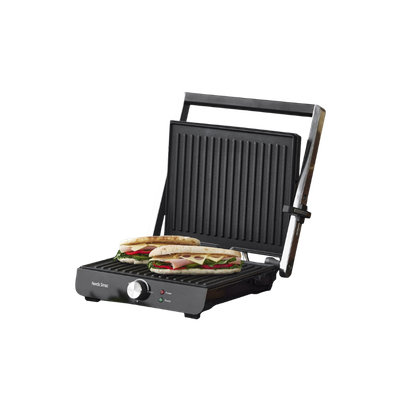
A panini grill is a practical choice when you want more than a standard toasted sandwich. It can be used for crisp panini, filled toast, grilled vegetables and meat, and it gives you more flexibility when choosing bread and fillings. On this page, you can compare different panini grills from HOLM and Nordic Sense and move from broad choices such as size and plate type to more specific details that matter in everyday use.
If you are browsing the wider kitchenware range, you can also explore our full selection of kitchen appliances before narrowing down to this category.
Panini grill or toaster. What is the difference?
A panini has its roots in Italy and is often made with ciabatta or sourdough bread in a panini press. A toaster, by contrast, is usually designed for square sandwich bread. That makes the choice quite simple when you compare how you want to use the appliance.
A toaster is well suited to classic toast, where the edges are pressed together and the filling stays enclosed. A panini grill gives you more freedom. You can use different bread types, from rustic rolls to focaccia, and you can also use it for more than sandwiches.
For most situations, a panini grill is the more flexible option because it can work as a sandwich grill for many bread types, and some models can also be used as a table grill or a mini raclette. Features such as adjustable temperature, non-stick coating and removable plates also make it easier to compare one model with another.
If you mainly want quick toast, a dedicated toaster may be the clearer choice. If you want one appliance for panini, toast, vegetables and meat, a panini grill gives you broader use in the kitchen.
What can you make on a panini grill?
A panini grill can be used for much more than a standard sandwich. It suits quick lunches, simple evening meals and smaller shared meals at the table. That is often how shoppers explore this category, first by deciding whether they mainly want toasted sandwiches, then by checking whether they also want the option to grill other ingredients.
Ideas for hot panini and sandwiches
You can make an Italian-style panini with pesto, mozzarella and tomato, a more filling version with chicken and cheddar on sourdough bread, or a vegetarian option with hummus and grilled vegetables. It can also be used for sweeter combinations such as banana and dark chocolate in a dessert panini.
If you are comparing nearby categories, a panini grill can overlap with appliances such as waffle irons when interchangeable plates are part of the design, or with hot plates and microwave and mini ovens when you are comparing different ways to prepare smaller meals.
Using and cleaning a panini grill
A panini grill is straightforward to use, but a few simple habits can make everyday cooking easier. Preheat the grill before adding the bread. Press the lid down lightly rather than squeezing hard, so the filling and the structure of the bread are better preserved. If you use baking paper above and below the panini, cleaning is often easier afterwards, although grill lines may be less visible and the surface may be slightly less crisp.
When cleaning, the type of plates makes a big difference. A panini grill with removable plates is easier to rinse under the tap or place in the dishwasher. If the plates are fixed, the grill surface should be wiped with a damp cloth once it has cooled. Mild soap and a soft brush help keep the appliance in good condition. It is also best to avoid metal utensils, as non-stick surfaces last longer when used with wooden or silicone tools.
How to choose the right panini grill
There are several ways to narrow down the range. A practical way to choose is to start with size, then look at plate design, heating performance, materials and finally the overall look of the appliance.
Size and capacity
A compact panini grill is useful for smaller kitchens, quick snacks and single portions. A larger model offers more capacity and is a better fit if you often prepare food for several people or want to use the grill for vegetables, fish and meat as well as sandwiches.
Removable or fixed plates
Removable plates make cleaning much easier, which is important for many shoppers when comparing models online. Fixed plates require a little more attention during cleaning, but the appliance is often more compact and robust in its design.
Power and heat distribution
Wattage affects how quickly the grill heats up and how evenly the heat is distributed. If you use the appliance often during a busy day, a higher wattage can save time and support a more even result. If you mainly prepare simple sandwiches, a lower wattage may be sufficient.
Materials and coating
Some users look specifically for a panini grill without PFAS as an alternative to traditional non-stick coatings. This is one of the clearer filters in the category when you want to move from general browsing to a more specific product choice.
Design and brand
Function matters first, but design also plays a role in many kitchens. HOLM is known here for a clean steel look, while Nordic Sense offers practical features and strong performance. If you are comparing a panini grill with other countertop appliances, you can also browse categories such as coffee machines, electric kettles and pizza ovens to see how different appliances support different meal and kitchen routines.
If you want a more multifunctional appliance, some models with interchangeable plates can also overlap with the use of a toaster or waffle iron. For other preparation tasks in the kitchen, related categories include blenders and food processors, mini food processor, hand blenders, hand mixers, mixers, rice cookers, sous vide, airfryers and ice cream machines.
Frequently asked questions about panini grills
What is a panini grill?
A panini grill is an electric table grill that can prepare Italian-style panini, meat, vegetables and small snacks.
What bread can you use for panini?
You can use almost any type of bread, but ciabatta, sourdough and baguette-style bread are classic choices because they stay crisp and airy during grilling.
Can you cook meat on a panini grill?
Yes, many models can be opened fully and used as a table grill, which makes them suitable for steaks, chicken and vegetables.
What is the difference between a panini and a sandwich?
A panini is an Italian-style version, typically made with ciabatta or rustic bread and always grilled, while sandwich is a broader term for bread with filling.
Can you use baking paper in a panini grill?
Yes, it can make cleaning easier, but it reduces grill marks and may give a less crisp finish.
Which panini grill is best?
That depends on your needs. A smaller panini grill suits smaller portions, while a larger model with removable plates is more practical when cooking for several people.
Can you make toast in a panini grill?
Yes, but cheese may escape more easily because a toaster seals the edges in a way a panini grill does not.
Frequently asked questions
What is the difference between a panini grill and a toaster?
A toaster is usually designed for classic square toast, while a panini grill gives you more freedom with bread types such as ciabatta, sourdough and focaccia. In everyday use, this means that a panini grill can also be used for vegetables and meat, not only toasted sandwiches.
What can you make on a panini grill?
A panini grill can be used for hot sandwiches, crisp panini, grilled vegetables, meat and smaller meals at the table. In practice, this helps you prepare more than simple toast, so one appliance can cover different quick meal ideas.
Can you make toast in a panini grill?
Yes, you can make toast in a panini grill, but it works differently from a dedicated toaster. In everyday use, this means fillings such as melted cheese may escape more easily because the edges are not sealed in the same way.
How do you choose the right panini grill?
A practical way to compare models is to start with size, then look at plate type, wattage, materials and overall design. In practice, this helps you narrow the range from broader choices to more specific details that affect daily cooking and cleaning.
Are removable plates better than fixed plates on a panini grill?
Removable plates are often easier to clean because they can be rinsed under the tap or placed in the dishwasher. In everyday use, this makes cleaning quicker, while fixed plates can suit those who prefer a more compact and robust design.
Does wattage matter on a panini grill?
Yes, wattage affects how quickly the grill heats up and how evenly heat is distributed. In practice, this helps you decide whether you need faster heating for frequent use or a simpler model for occasional sandwiches.
Can you use baking paper in a panini grill?
Yes, baking paper can be used above and below the panini to make cleaning easier afterwards. In everyday use, this means less residue on the plates, although the grill marks may be less visible and the finish slightly less crisp.
How do you clean a panini grill properly?
Cleaning depends on whether the plates are removable or fixed. In practice, removable plates are easier to rinse or wash in the dishwasher, while fixed plates should be wiped with a damp cloth once cooled, using mild soap and soft tools to protect the non-stick surface.