What can you make in a microwave?
A microwave can be a practical help in many everyday situations. If you get home late and want something ready quickly, or if you need to make popcorn for a relaxed weekend, it saves time and keeps things simple. It is also useful when you want to heat food without using a full-size oven.
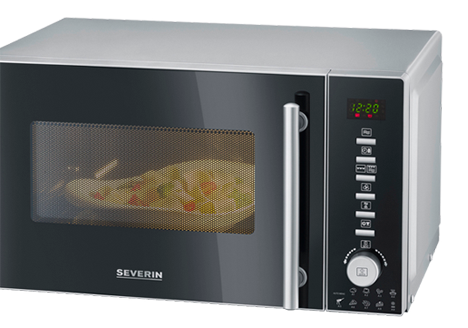
In everyday use, a microwave is especially handy for reheating leftovers from the previous day, warming milk for coffee or preparing smaller portions of food. When browsing this category, many people start by deciding whether they mainly need quick reheating or also want more cooking functions. This makes it easier to move from the broader choice of microwave or mini oven to the model type that fits best.
What is the difference between a microwave and a mini oven?
A microwave and a mini oven are not the same. A microwave heats food using microwaves, while a mini oven works like a regular oven, only in a smaller format. A practical way to choose is to start with how you expect to use it most often. If your main priority is fast heating and simple everyday tasks, a microwave is often the natural place to start. If you want something that works more like a traditional oven, a mini oven may be the better match.
You can make many of the same things in a mini oven as in a standard oven. It can be used for baking bread and preparing smaller meals from scratch, which makes it a suitable option for a caravan, a holiday home or a small kitchen where space is limited. On a category page like this, that difference helps narrow the choice quickly. Users often begin with the cooking method they prefer, then compare sizes and functions within that product type.
At Kitchen Living Dining, the range includes everything from a classic microwave with standard functions to more advanced versions with convection and grill. There are also mini ovens in different sizes and with different functions, depending on whether you want features such as a rotisserie or hot plates. If you are comparing several models, it helps to look at the basic format first and then decide whether extra functions are relevant for the way you cook.
Cleaning a microwave
Cleaning a microwave after use is usually straightforward. With water, soap and a little steam, it is easy to loosen food residue and marks. Unlike a regular oven, the bottom, sides and ceiling inside do not usually become very hot, so burnt-on food is less common.
After use, it is a good idea to wipe the inside with a damp cloth. This helps prevent food residue from drying out and sticking. Most microwaves have a rotating plate at the bottom, which can be removed and washed by hand or in the dishwasher. For many shoppers, ease of cleaning is part of the decision process, especially when comparing appliances for frequent everyday use.
If the oven is very dirty, you can fill a deep plate or a wide bowl with water and place it inside the microwave. Run it for one minute at the highest setting, making sure the bowl or plate is suitable for microwave use. The steam helps loosen food residue so it can be wiped away more easily with a sponge or cloth.
It is also important to clean the door and the rubber seals around it carefully. If the door does not close tightly, the oven can send microwaves into the room. When comparing models in this category, some users focus first on functions, while others start with maintenance and daily handling. Both are useful ways to make the selection more manageable.
Equipment for caravan trips and compact cooking spaces
A mini oven can be especially useful when the kitchen setup is temporary or space is limited. That is why this category is often relevant not only for small kitchens at home, but also for caravan use, holiday homes and outdoor cooking areas where a compact oven is easier to place. If you need extra cooking capacity alongside your main setup, it can also help to look at hot plates, which are easy to move as long as there is a power outlet nearby.
If you are browsing more broadly, you can also explore the wider selection of kitchenware and the full range of kitchen appliances. From there, it becomes easier to compare compact cooking appliances with other electrical products that support different tasks in the kitchen.
Explore related kitchen appliances and accessories
Once you have decided whether you need a microwave or a mini oven, the next step is often to look at related categories. Some users compare with appliances that also support quick cooking or heating, such as air fryers, pizza ovens, rice cookers or sous vide. Others are looking at a broader kitchen setup and continue to categories such as toasters and panini grills, toasters, waffle irons or raclette.
For food preparation, you may also want to compare with appliances such as blenders and food processors, hand blenders, hand mixers, mini food processor models and larger mixers. If your focus is on drinks and hot water, related categories include coffee machines and electric kettles. You can also browse ice cream machines and other electrical products if you are building a more complete kitchen setup.
How to choose the right microwave or mini oven
If you have decided that it is time for a microwave or mini oven, it helps to think through a few points before choosing. Start with capacity. Within common standard sizes, a small microwave can have a capacity of around 17 litres, while a large one can go up to around 35 litres. For most situations, this is one of the easiest ways to narrow the range, because it quickly separates compact models from larger options.
It also helps to think about how you compare products on the page. Some users begin with size because the available space is fixed. Others start with functions and then compare only the models that match those needs. If you typically want simple reheating, a standard microwave may be enough. If you want broader oven-style cooking in a smaller format, a mini oven is usually the clearer choice. By working from the general type to the more specific functions and capacity, the category becomes easier to navigate and compare.
Frequently asked questions
What can you use a microwave for in everyday cooking?
A microwave is mainly useful for quick everyday tasks such as reheating leftovers, warming milk and making simple foods like popcorn. In everyday use, this means that you can heat smaller portions quickly without using a full-size oven.
What is the difference between a microwave and a mini oven?
A microwave heats food with microwaves, while a mini oven works more like a traditional oven in a smaller format. In practice, this helps you choose based on cooking method: fast reheating points towards a microwave, while baking and oven-style cooking point towards a mini oven.
How do I choose between a microwave and a mini oven?
A practical way to choose is to start with how you expect to use it most often. If you mainly want quick heating for everyday meals, a microwave is often the simpler option, while a mini oven makes more sense if you want to bake bread or cook smaller meals from scratch.
What can you cook in a mini oven?
A mini oven can be used for many of the same tasks as a standard oven, including baking bread and preparing smaller meals from scratch. In everyday use, this means it can suit a small kitchen, a holiday home or a caravan where space is limited.
How do you clean a microwave properly?
After use, it helps to wipe the inside with a damp cloth so food residue does not dry and stick. If it is very dirty, you can heat a bowl or deep plate of water for about one minute on a high setting to create steam, which makes it easier to loosen marks before wiping them away.
Why is it important to clean the microwave door and seals?
The door and the rubber seals should be cleaned carefully so the door can close tightly. In practice, this helps the microwave work as intended and makes daily maintenance easier to manage.
How do I choose the right size microwave or mini oven?
Start by thinking about the space you have available and how much food you usually prepare or reheat. The category content explains that microwaves can range from around 17 litres to around 35 litres, and this makes it easier to separate compact models from larger options.
What is the easiest way to narrow down the options on a microwave and mini oven page?
It often helps to begin with the basic type of appliance and then compare functions and capacity. In practice, this makes it easier to move from broader choices to narrower options that match the way you cook and the space you have available.