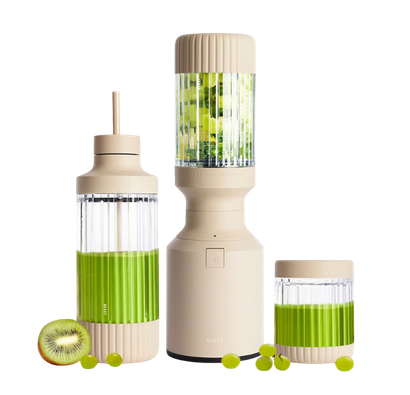
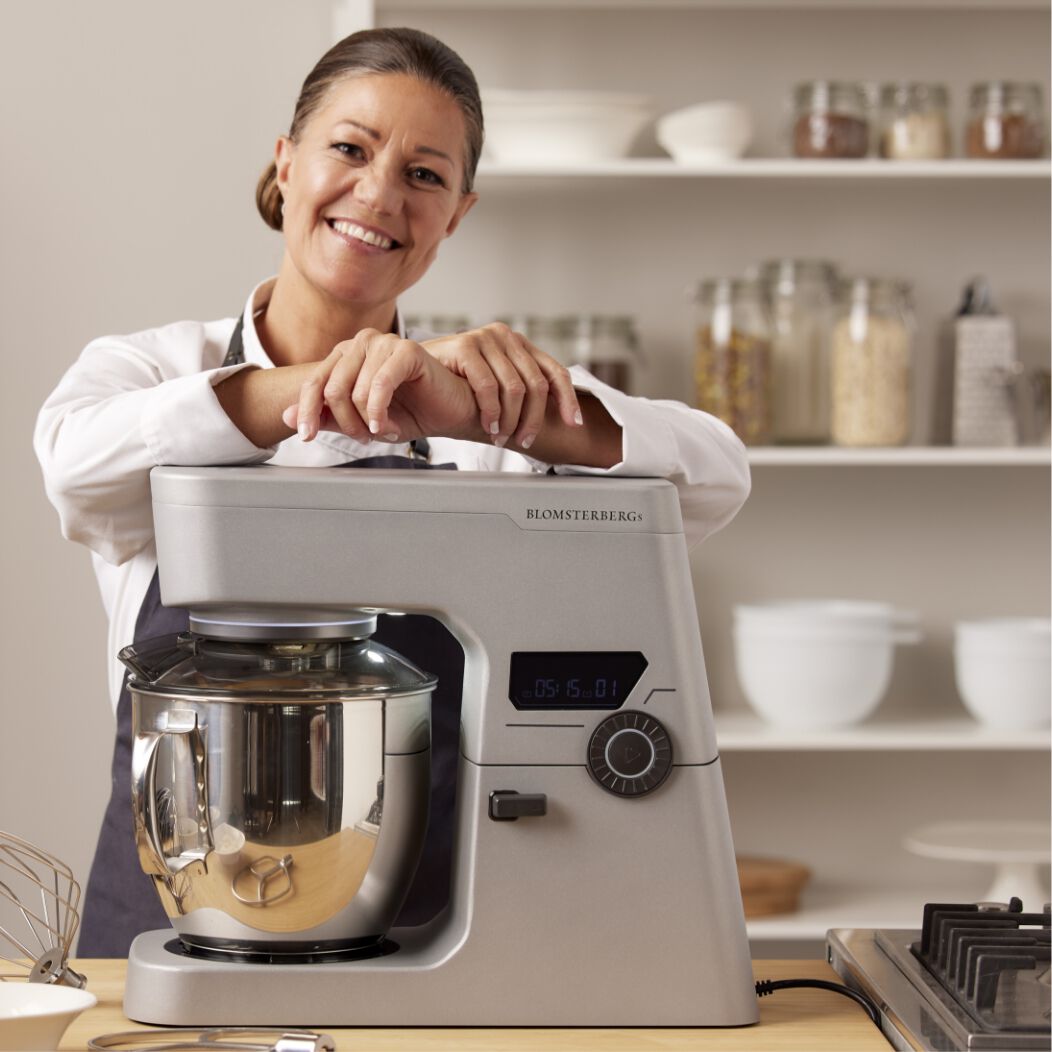
What can you use a blender for?
A blender can be used for many different kitchen tasks. It is especially useful when you want to blend ingredients into a smooth, more liquid consistency.
For many people, smoothies are the first thing that comes to mind. If you choose a powerful blender, it can quickly crush frozen berries and ice cubes for a cold, creamy drink.
A blender is also useful for both cold and hot soups, purées, dips and batter, for example pancake batter. If you are browsing this category to find a machine mainly for drinks and smooth mixtures, the blender section gives you a clear place to compare the different options.
What does a food processor do?
A food processor helps with several preparation tasks in one machine. You can chop, slice, blend, mix and grate, which makes it easier to handle the more manual parts of cooking.
It is especially practical when you want to save time on tasks such as chopping vegetables. It can also be used to chop nuts and grains, which can then be turned into plant milk, nut spread or something else entirely.
If you are comparing products on this page, a food processor is often the better match when your focus is preparation work rather than liquid blending. That makes it easier to move from a broad search to a more specific choice based on how you cook most often.
What is the difference between a food processor and a blender?
Although these two appliances are quite similar, there are important differences between them.
A blender usually has a tall, cylinder-shaped jug with a narrow base. This design makes it best suited to blending liquids, because ingredients can otherwise bounce around instead of being properly blended.
If you want to work with dry and firm ingredients, a food processor is generally the better option. It has a wide, flat base where the blades sit, which makes it more suitable for chopping and processing this type of ingredient. Some food processors also come with dough hooks, so they can knead dough.
When you compare products in this category, it often helps to begin with texture and ingredient type. If you mainly make smoothies, soups and similar mixtures, a blender is usually the clearer choice. If you more often chop vegetables, process firmer ingredients or want a machine with several preparation functions, a food processor may be more suitable.
You can also explore the wider selection of kitchenware and browse more kitchen appliances if you want to compare this category with other appliance types.
What is the difference between a stand mixer and a food processor?
A stand mixer and a food processor can now handle some of the same tasks, especially when extra functions and attachments are available.
A stand mixer can be a larger mixing machine that is well suited to baking and kneading. It stands steadily on the worktop and does not normally need to be held during use, unlike a food processor.
A food processor is typically smaller and is designed especially for chopping and slicing vegetables. With the right hooks or blades, it may also knead dough, but it does not work as well for that purpose as a stand mixer.
If baking is your main focus, it can be useful to compare this category with mixers or the more compact hand mixers. If you mainly want a smaller machine for chopping and quick preparation, you can also look at a mini food processor.
Which food processor or blender should I choose?
When you are looking for the right kitchen appliance, the first step is to think about which functions you will use most.
It also helps to consider size, shape and colour, especially in relation to the space available in your kitchen and how you want the appliance to fit in.
If you are looking for a blender mainly for smoothies, a smoothie blender or a mini blender can be a practical choice. If you prefer a smaller option that is easy to store, this can help narrow your selection within the category.
For some shoppers, the easiest way to browse is to start with the main task, then compare capacity and format. If your kitchen has limited space, it may also be worth looking at hand blenders, which take up very little room in a cupboard or drawer and are easy to use and clean. A hand blender is also useful for quick mayonnaise, creams and sauces, and for blending soup directly in the pot.
If your cooking setup includes several small appliances, you may also want to compare with categories such as coffee machines, electric kettles and toasters as part of your overall kitchen appliance selection.
How many watts does a blender use?
Blenders are available with different watt levels. They can range from around 500 to 2000 watts. A powerful blender that can crush ice will usually have a motor power of 1000 watts or more.
The motor strength you need depends on what you want to make. If you mainly use the blender for purées and soups, 500 to 1000 watts can be enough. If you plan to make frozen smoothies with ice, it is a good idea to choose a blender with at least 1000 watts.
When comparing models online, this is one of the practical details that helps you move from general browsing to a more informed choice. Start with your usual ingredients, then check whether the machine matches that level of use.
Explore kitchen appliances at Kitchen Living Dining
Kitchen appliances can make everyday cooking more efficient and give you more options in the kitchen, whether you enjoy spending time on detailed cooking or simply want help with homemade meals.
Alongside blenders and food processors, you can also explore other appliance categories depending on how you use your kitchen. For example, there are airfryers, hot plates, microwave and mini ovens, rice cookers and sous vide.
If you are interested in appliances for serving or more specialised cooking tasks, you can also browse pizza ovens, raclette, waffle irons, ice cream machines and toasters and panini grills.
For a broader overview beyond the main appliance groups, you can also look through other electrical products. This makes it easier to compare categories side by side and choose the appliances that best match your cooking and kitchen setup.
Frequently asked questions
What can I use a blender for?
A blender is mainly used for ingredients that need to become smooth and more liquid, such as smoothies, soups, purées, dips and batter. In everyday use, this means that a blender is often the better choice when you want a drinkable or pourable result rather than chopped pieces.
What does a food processor do in everyday cooking?
A food processor helps with preparation tasks such as chopping, slicing, grating, blending and mixing. In practice, this helps you save time on manual jobs like cutting vegetables or processing firmer ingredients such as nuts and grains.
What is the difference between a blender and a food processor?
A blender is designed mainly for liquids and smooth mixtures, while a food processor is better for chopping and handling drier or firmer ingredients. This makes it easier to choose based on texture, because smoothies and soups usually suit a blender, while vegetable prep and similar tasks usually suit a food processor.
How do I choose between a blender and a food processor?
The simplest way is to start with the job you do most often in the kitchen. In practice, this helps you narrow your choice: if you mostly make smoothies and soups, a blender is usually more suitable, while a food processor is often better for chopping, slicing and general prep work.
What is the difference between a stand mixer and a food processor?
A stand mixer is generally better suited to baking and kneading, while a food processor is mainly designed for chopping and slicing. In everyday use, this means that a stand mixer is often the stronger option for dough, whereas a food processor is more useful for quicker preparation tasks.
Which blender wattage should I choose?
The wattage you need depends on what you plan to blend most often. In practice, around 500 to 1000 watts can be enough for purées and soups, while frozen fruit and ice usually call for a blender with at least 1000 watts.
Is a hand blender worth considering if I have limited kitchen space?
A hand blender can be a practical option if you want something compact that is easy to store in a cupboard or drawer. This makes it easier to handle quick jobs such as blending soup directly in the pot or making mayonnaise, creams and sauces without taking up much worktop space.
How can I narrow down the right blender or food processor online?
It helps to begin with your main task, then compare details such as capacity, format, size and motor power. In everyday use, this means you can move from broad browsing to more specific selections that fit both the way you cook and the space you have available.